


Daily commuting places unique demands on both drivers and vehicles. Stop and go traffic, highway cruising, lane changes, and tight parking situations all require constant attention. BMW driver assistance systems are designed to support drivers in these scenarios by reducing workload and increasing situational awareness. These systems do not replace the driver. Instead, they operate as layered support tools that rely on cameras, radar, and sensor data to assist with routine driving tasks.
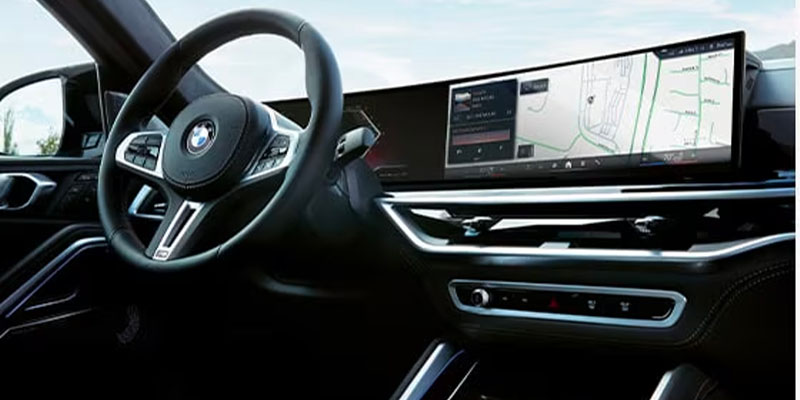
Understanding how these systems work and where their limits exist helps commuters use them effectively and confidently.
The Foundation of BMW Driver Assistance Technology
BMW driver assistance systems are built on sensor fusion. This means multiple sensors work together to interpret the driving environment in real time.
Core sensor types include:
- Forward facing cameras that identify lane markings, traffic signs, and vehicles
- Radar sensors that measure distance and closing speed
- Ultrasonic sensors used for close range detection during parking
- Vehicle motion sensors that track steering input, yaw, and speed
By combining these inputs, the vehicle builds a continuously updated picture of its surroundings.
Adaptive Cruise Control for Highway Commuting
BMW adaptive cruise control is designed to maintain a set speed while automatically adjusting to traffic flow.
In real world commuting, the system can:
- Maintain a consistent following distance
- Reduce speed smoothly when traffic slows
- Resume speed when the lane ahead clears
- Assist during stop and go highway congestion
Radar sensors monitor vehicles ahead while cameras confirm lane context. The system prioritizes smooth deceleration and acceleration to maintain comfort and predictability.
Limitations to be aware of include:
- Reduced effectiveness in heavy rain or fog
- Dependence on clearly detectable vehicles ahead
- Driver responsibility for steering and situational awareness
Lane Keeping Assist and Steering Support
Lane keeping assist supports steering input by monitoring lane markings and vehicle position within the lane.
Key behaviors include:
- Gentle steering corrections to help center the vehicle
- Warnings if the vehicle drifts without a turn signal
- Steering support that works in conjunction with adaptive cruise control on certain roadways
The system relies heavily on camera visibility. Faded lane lines, construction zones, or poor lighting can reduce effectiveness. Drivers should treat steering assistance as guidance rather than control.
Traffic Jam Assistance and Low Speed Support
In dense traffic, BMW driver assistance systems help reduce fatigue.
At lower speeds, the system can:
- Maintain distance to the vehicle ahead
- Assist with steering in slow moving traffic
- Reduce constant pedal input during congestion
Driver monitoring systems ensure the driver remains attentive. If attention lapses or conditions change, the system will prompt the driver to resume full control.
Parking Assistance in Urban Environments
Parking assistance systems are designed for precision at low speeds rather than automation.
BMW parking assistance uses:
- Ultrasonic sensors to detect obstacles
- Cameras to provide overhead and surround views
- Steering control to guide the vehicle into spaces
The driver remains responsible for braking and monitoring surroundings. These systems are especially useful in tight urban parking situations where visibility is limited.
How Driver Monitoring Supports Safety
BMW driver assistance includes monitoring systems that track driver engagement.
These systems can:
- Detect hands on the steering wheel
- Monitor driver attentiveness
- Issue alerts if attention drops
- Disengage assistance if input is not detected
This ensures driver assistance remains a support function rather than an autonomous system.
Environmental and Operational Limits
Driver assistance performance depends on environmental conditions.
Factors that affect system operation include:
- Heavy rain, fog, or glare
- Poor road markings
- Construction zones
- Sharp curves or complex intersections
When conditions fall outside operating parameters, systems may disengage and return full control to the driver.
Driver Assistance Versus Autonomous Driving
BMW driver assistance systems are not self driving.
Important distinctions include:
- Systems assist but do not make decisions independently
- Driver responsibility remains at all times
- Steering and braking support is conditional
- Human oversight is always required
Understanding this distinction helps drivers use the systems appropriately and safely.
Daily Commuter Benefits
For commuters, the value of driver assistance lies in consistency and reduced fatigue.
Benefits include:
- Smoother highway travel
- Reduced stress in traffic
- Improved awareness during lane changes
- Greater confidence in tight parking environments
These systems enhance daily driving without removing the driver from the process.
Ownership Perspective
BMW driver assistance systems are engineered to support daily commuting through intelligent sensor integration and thoughtful system design. When used as intended, they help drivers manage routine driving demands more comfortably and confidently. Understanding how the systems work and respecting their limits ensures they remain effective tools rather than misunderstood technology.
Connect with us


Recent Blog Entries
- How BMW Safety Systems Support Highway and City Driving
- Certified Pre-Owned BMW Inspections Explained
- Understanding BMW Plug In Hybrid Daily Driving Behavior
- How BMW X5 and 5 Series Lease Paths Support Jacksonville Drivers Comparing Options
- What Jacksonville Buyers Should Know About BMW Maintenance Coverage