


For shoppers considering a used BMW, certification is less about marketing language and more about risk control. A BMW Certified Pre-Owned vehicle must meet manufacturer defined standards before it can earn that designation. Understanding how the inspection works, what disqualifies a vehicle, and how reconditioning decisions are made helps buyers evaluate whether CPO status meaningfully reduces ownership uncertainty.
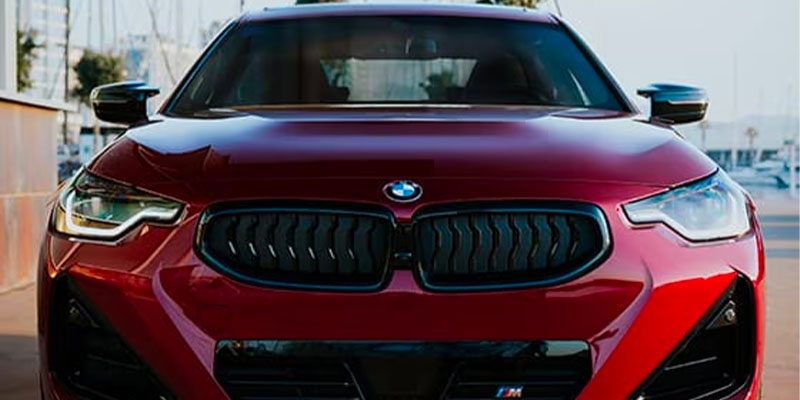
BMW’s Certified Pre-Owned program is governed by the manufacturer, not created at the dealer level. That distinction matters because it sets uniform requirements for eligibility, inspection, and warranty coverage across the network.
What Qualifies a BMW for Certification
Not every used BMW can become certified. Eligibility is established before inspection begins.
Vehicles must meet manufacturer limits related to age and mileage. Models outside those thresholds are excluded regardless of condition. In addition, vehicle history plays a role. Units with certain accident histories, title issues, or incomplete records are typically disqualified before inspection is even attempted.
Certification is not a cosmetic upgrade applied to any used vehicle on the lot. It is a controlled process that begins with eligibility screening.
How the BMW CPO Inspection Is Structured
Once a vehicle qualifies, it undergoes a multi point inspection performed by BMW factory trained technicians using BMW diagnostic systems.
The inspection is designed to verify condition, not predict future wear. It focuses on whether the vehicle meets defined standards at the time of certification.
Inspection categories include:
- Mechanical systems
Engine operation, transmission behavior, driveline components, cooling systems, and exhaust integrity are evaluated for proper function and abnormal wear. - Safety systems
Brakes, steering, suspension components, airbags, seatbelts, and driver assistance systems are checked for correct operation and fault codes. - Electrical and electronic systems
Diagnostic scans are performed to identify stored faults, software inconsistencies, or unresolved system alerts. - Interior condition
Seating surfaces, controls, displays, and interior trim are evaluated for excessive wear or damage beyond acceptable thresholds. - Exterior condition
Body panels, glass, lighting, and exterior trim are reviewed to ensure structural and cosmetic standards are met.
Each category must pass inspection for the vehicle to proceed toward certification.
What Happens If a Vehicle Fails Inspection
Inspection is not a formality. If a vehicle fails to meet standards, it cannot be certified in its current condition.
At that point, one of two things happens:
- Required reconditioning is performed to bring the vehicle into compliance
- The vehicle remains non certified and is sold as a standard used BMW
Certification cannot be applied without documented correction of issues identified during inspection. This is where reconditioning becomes central to the program.
BMW CPO Reconditioning Standards
Reconditioning is mandatory, not optional. BMW defines minimum thresholds for components that affect safety, performance, and ownership experience.
Common reconditioning areas include:
- Tires and brakes meeting defined wear limits
- Suspension components replaced if outside tolerance
- Software updates and recall completion
- Replacement of worn or damaged interior components
- Correction of cosmetic issues that exceed acceptable condition guidelines
The goal is not to make the vehicle new, but to ensure it meets BMW’s standards for a certified used vehicle.
Who Performs the Inspection and Repairs
BMW Certified Pre-Owned inspections and reconditioning are performed by BMW trained technicians using OEM diagnostic equipment. This matters because modern BMW vehicles rely heavily on integrated systems that require manufacturer level tools to evaluate correctly.
Generic inspections may identify obvious issues, but they often lack access to proprietary diagnostics, software verification, and system calibration procedures required for certification.
How the CPO Warranty Fits Into the Inspection
Inspection and warranty are separate but connected components of the program.
The inspection verifies condition at the time of certification. The CPO limited warranty provides coverage after purchase.
BMW CPO warranty coverage typically extends beyond the original factory warranty period and is designed to cover major components. It does not replace maintenance, nor does it eliminate all ownership costs, but it significantly reduces exposure to unexpected repair expenses during the coverage period.
This distinction is important. Certification confirms the vehicle meets standards today. The warranty addresses risk tomorrow.
Certified Pre-Owned Versus Non Certified Used BMWs
The difference between a CPO BMW and a non certified used BMW is not just inspection depth. It is the combination of eligibility screening, mandatory reconditioning, manufacturer oversight, and warranty protection.
Non certified vehicles may still be high quality, but they do not undergo the same standardized process or receive the same coverage backing from BMW.
For buyers prioritizing risk reduction and ownership predictability, that distinction carries real value.
What Buyers Should Evaluate When Choosing CPO
Before choosing a Certified Pre-Owned BMW, shoppers should consider:
- Whether the warranty coverage aligns with expected ownership length
- How certification affects total cost compared to non certified options
- The vehicle’s mileage and remaining service life
- Long term maintenance expectations
CPO status does not eliminate responsibility, but it shifts the balance of risk in the buyer’s favor.
Why Inspection Transparency Matters
Certified Pre-Owned programs only work when standards are clear and consistently applied. BMW’s approach emphasizes defined eligibility, documented inspection, required reconditioning, and warranty backing.
For used BMW shoppers who value clarity over promises, understanding the inspection process is the key to deciding whether certification justifies its place in the buying decision.
Connect with us


Recent Blog Entries
- How BMW Safety Systems Support Highway and City Driving
- Certified Pre-Owned BMW Inspections Explained
- Understanding BMW Plug In Hybrid Daily Driving Behavior
- How BMW X5 and 5 Series Lease Paths Support Jacksonville Drivers Comparing Options
- What Jacksonville Buyers Should Know About BMW Maintenance Coverage