


BMW plug in hybrid vehicles are designed to adapt to how people actually drive, not to force drivers into a rigid routine. For shoppers considering a BMW PHEV, the most important question is not maximum electric range on paper, but how the system behaves across normal daily driving. Understanding what the vehicle does in real conditions helps set accurate expectations and avoid disappointment.
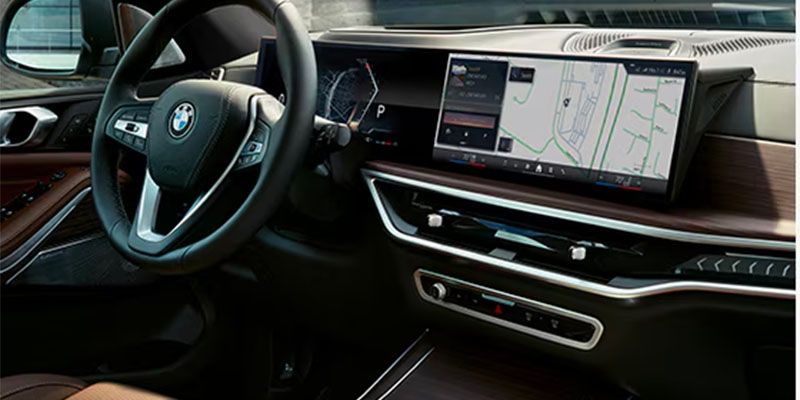
BMW’s plug in hybrid architecture blends an electric motor, a high voltage battery, and a traditional combustion engine into a single coordinated system. The vehicle is always managing energy flow in the background, adjusting based on speed, load, drive mode, and battery state.
This makes daily driving behavior predictable once the system logic is understood.
How BMW Plug In Hybrid Systems Actually Work
A BMW plug in hybrid is not an electric vehicle with a gas backup. It is a dual power system designed to optimize efficiency across varied conditions.
Core components work together as follows:
- The electric motor provides propulsion at low speeds and during light load driving
- The battery stores energy from external charging and regenerative braking
- The combustion engine engages when power demand exceeds electric efficiency or battery charge is low
- The transmission blends torque from both power sources seamlessly
The driver does not manually switch between systems in most situations. The vehicle decides which power source makes the most sense based on efficiency and performance needs.
Daily Driving in Electric Mode
For short commutes and local driving, BMW PHEVs are capable of operating primarily on electric power.
In electric prioritized modes, drivers can expect:
- Smooth, quiet acceleration from a stop
- Electric only operation during city driving
- Minimal engine engagement during low speed travel
- Strong response in stop and go traffic
Electric range is intended to cover typical daily errands and commuting, not extended highway travel. Real world electric range depends on speed, temperature, elevation changes, and accessory use.
Short trips with frequent stops maximize electric efficiency. Sustained highway speeds reduce electric range more quickly.
What Happens When the Battery Is Depleted
One of the most common concerns across SERPs is what happens when the battery reaches a low state of charge.
When electric range is exhausted:
- The vehicle transitions automatically to hybrid operation
- The combustion engine becomes the primary propulsion source
- Electric assistance still supports acceleration when needed
- Fuel efficiency remains higher than a non hybrid equivalent
There is no performance penalty when the battery is depleted. The vehicle continues to operate normally as a hybrid without requiring immediate charging.
This design ensures drivers are never stranded or forced to modify plans due to battery state.
Charging Frequency and Real World Impact
Charging habits directly influence how much benefit a plug in hybrid delivers.
Drivers who charge regularly experience:
- Higher percentage of electric only driving
- Lower fuel consumption over time
- Reduced engine runtime
- Quieter daily operation
Drivers who charge infrequently still benefit from:
- Regenerative braking energy recovery
- Electric torque assistance
- Improved efficiency compared to non hybrid models
Home charging is the most practical solution. Overnight charging aligns naturally with daily use patterns. Public charging is helpful but not required for effective ownership.
Skipping a charging day does not harm the system. It simply shifts the vehicle toward hybrid operation.
Regenerative Braking and Driving Feel
BMW regenerative braking systems are calibrated to feel familiar to traditional drivers.
When decelerating:
- The electric motor recaptures energy during braking
- Energy is stored back into the battery
- Brake pedal feel remains linear and predictable
- Mechanical brakes engage as needed for stopping power
Drivers may notice slightly stronger deceleration when lifting off the accelerator compared to a conventional vehicle. This is the system converting motion back into stored energy.
In traffic heavy environments, regenerative braking contributes meaningfully to efficiency without requiring conscious driver input.
Drive Modes and System Behavior
BMW plug in hybrids offer multiple drive modes that influence energy use.
Common behavior includes:
- Automatic blending of power sources in standard modes
- Electric prioritization during low load driving
- Increased engine engagement during sport oriented modes
- Strategic battery usage during acceleration events
The vehicle continuously evaluates driving conditions rather than following fixed rules. This allows it to adapt seamlessly between city streets and highways.
Drivers are not required to micromanage the system for optimal results.
Real World Expectations for BMW Plug In Hybrid Ownership
Plug in hybrids deliver the most value when expectations align with design intent.
They work best for drivers who:
- Have consistent daily driving routines
- Can charge at home regularly
- Spend significant time in city or suburban environments
- Want flexibility without full electric dependency
They are less ideal for drivers expecting full electric replacement without charging discipline.
Understanding that a BMW PHEV is a blended system rather than a pure electric vehicle helps owners appreciate its strengths.
How BMW PHEVs Fit Daily Life
BMW plug in hybrids are engineered to reduce fuel use and emissions without disrupting driving habits. The system supports electric driving where it makes sense and seamlessly transitions when conditions change.
For many drivers, the experience feels familiar yet more efficient. The technology works quietly in the background, adapting to real world use rather than demanding lifestyle changes.
That balance is what defines BMW’s approach to plug in hybrid driving.
Connect with us


Recent Blog Entries
- Understanding BMW Plug In Hybrid Daily Driving Behavior
- How BMW X5 and 5 Series Lease Paths Support Jacksonville Drivers Comparing Options
- What Jacksonville Buyers Should Know About BMW Maintenance Coverage
- BMW Driver Assistance Systems Explained for Daily Commuters
- How BMW xDrive Handles Wet and Coastal Florida Roads