


Modern BMW safety systems are designed to support drivers across very different environments. City streets and highways place fundamentally different demands on a vehicle’s safety architecture, and BMW engineers its driver assistance technologies to adapt based on speed, traffic density, and surrounding conditions. Understanding how these systems behave in real world use helps drivers trust the assistance without overestimating its role.

BMW safety technology is built around support, not replacement. The systems assist with awareness, braking, and steering input, but the driver remains responsible at all times.
How BMW Safety System Architecture Works
BMW safety systems rely on a combination of cameras, radar sensors, and control modules working together in real time. This layered approach allows the vehicle to interpret distance, speed, lane markings, and surrounding traffic simultaneously.
Key architectural elements include:
- Forward facing cameras that monitor lane markings, vehicles, and pedestrians
- Radar sensors that track distance and closing speed in traffic
- Side sensors that monitor adjacent lanes
- Central processing that blends inputs to determine alerts or intervention
This sensor fusion allows BMW systems to respond differently at low speed urban driving versus sustained highway travel.
Read the rest of this entry »Certified Pre-Owned BMW Inspections Explained
For shoppers considering a used BMW, certification is less about marketing language and more about risk control. A BMW Certified Pre-Owned vehicle must meet manufacturer defined standards before it can earn that designation. Understanding how the inspection works, what disqualifies a vehicle, and how reconditioning decisions are made helps buyers evaluate whether CPO status meaningfully reduces ownership uncertainty.

BMW’s Certified Pre-Owned program is governed by the manufacturer, not created at the dealer level. That distinction matters because it sets uniform requirements for eligibility, inspection, and warranty coverage across the network.
What Qualifies a BMW for Certification
Not every used BMW can become certified. Eligibility is established before inspection begins.
Vehicles must meet manufacturer limits related to age and mileage. Models outside those thresholds are excluded regardless of condition. In addition, vehicle history plays a role. Units with certain accident histories, title issues, or incomplete records are typically disqualified before inspection is even attempted.
Certification is not a cosmetic upgrade applied to any used vehicle on the lot. It is a controlled process that begins with eligibility screening.
Read the rest of this entry »BMW plug in hybrid vehicles are designed to adapt to how people actually drive, not to force drivers into a rigid routine. For shoppers considering a BMW PHEV, the most important question is not maximum electric range on paper, but how the system behaves across normal daily driving. Understanding what the vehicle does in real conditions helps set accurate expectations and avoid disappointment.

BMW’s plug in hybrid architecture blends an electric motor, a high voltage battery, and a traditional combustion engine into a single coordinated system. The vehicle is always managing energy flow in the background, adjusting based on speed, load, drive mode, and battery state.
This makes daily driving behavior predictable once the system logic is understood.
How BMW Plug In Hybrid Systems Actually Work
A BMW plug in hybrid is not an electric vehicle with a gas backup. It is a dual power system designed to optimize efficiency across varied conditions.
Core components work together as follows:
- The electric motor provides propulsion at low speeds and during light load driving
- The battery stores energy from external charging and regenerative braking
- The combustion engine engages when power demand exceeds electric efficiency or battery charge is low
- The transmission blends torque from both power sources seamlessly
The driver does not manually switch between systems in most situations. The vehicle decides which power source makes the most sense based on efficiency and performance needs.
Read the rest of this entry »Leasing works best when the vehicle’s real world use matches how the contract is structured. For Jacksonville drivers comparing the BMW X5 and BMW 5 Series, the decision is less about SUV versus sedan preference and more about how each vehicle behaves under a lease when mileage, depreciation, and daily driving patterns are factored in.
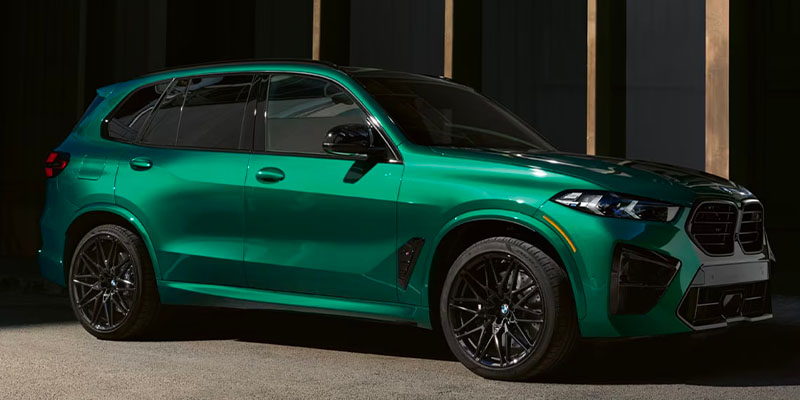
Both models lease well for different reasons, but they support different usage profiles. Understanding how BMW Financial Services structures leases and how each vehicle type absorbs wear, mileage, and depreciation helps drivers avoid common lease regret points.
How BMW Leasing Is Structured at a System Level
BMW leases are closed end contracts. That means the vehicle’s future value is predicted up front and built into the payment. Three variables matter most:
- Residual value
The estimated value of the vehicle at lease end. Higher residuals generally support lower monthly payments. - Mileage allowance
Typically 10,000, 12,000, or 15,000 miles per year, with options to pre purchase additional mileage. - Term length
Most BMW leases run 36 months, which aligns with warranty coverage and predictable depreciation.
Where drivers get into trouble is assuming all BMWs behave the same under these variables. They do not.
Read the rest of this entry »BMW ownership is often associated with performance, refinement, and advanced technology. What many Jacksonville buyers want clarity on is how BMW maintenance coverage works and how it affects long term ownership costs. BMW approaches maintenance differently than many brands by relying on condition based service rather than fixed mileage schedules. Understanding this system helps owners plan service intelligently instead of guessing or over servicing their vehicle.

This overview explains what BMW maintenance coverage includes, how condition based service logic works, and what buyers should plan for over time.
BMW Maintenance Coverage Versus Warranty Coverage
One of the most common points of confusion is the difference between maintenance and warranty.
Maintenance coverage applies to:
- Scheduled service items
- Wear related maintenance tasks
- Oil service and inspections
- Certain brake services depending on coverage terms
Warranty coverage applies to:
- Defects in materials or workmanship
- Component failures outside normal wear
- Mechanical and electrical repairs
Maintenance coverage is designed to handle predictable service needs. Warranty coverage addresses unexpected failures. They work together but serve different purposes.
Read the rest of this entry »Daily commuting places unique demands on both drivers and vehicles. Stop and go traffic, highway cruising, lane changes, and tight parking situations all require constant attention. BMW driver assistance systems are designed to support drivers in these scenarios by reducing workload and increasing situational awareness. These systems do not replace the driver. Instead, they operate as layered support tools that rely on cameras, radar, and sensor data to assist with routine driving tasks.

Understanding how these systems work and where their limits exist helps commuters use them effectively and confidently.
The Foundation of BMW Driver Assistance Technology
BMW driver assistance systems are built on sensor fusion. This means multiple sensors work together to interpret the driving environment in real time.
Core sensor types include:
- Forward facing cameras that identify lane markings, traffic signs, and vehicles
- Radar sensors that measure distance and closing speed
- Ultrasonic sensors used for close range detection during parking
- Vehicle motion sensors that track steering input, yaw, and speed
By combining these inputs, the vehicle builds a continuously updated picture of its surroundings.
Read the rest of this entry »How BMW xDrive Handles Wet and Coastal Florida Roads
Driving conditions in coastal Florida are defined less by elevation or snow and more by sudden rainfall, standing water, slick pavement, and high humidity. In Jacksonville and surrounding areas, roads can transition from dry to saturated within minutes, especially during summer storms. BMW xDrive is engineered to manage these changing conditions through continuous sensor input and predictive torque distribution rather than reactive wheel slip correction alone.
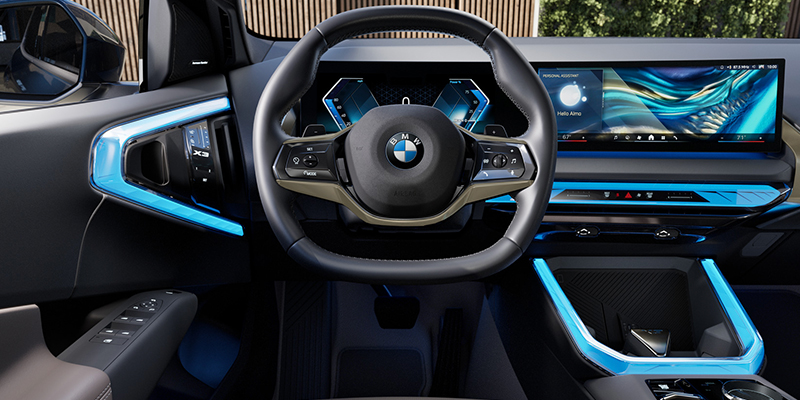
Understanding how xDrive works in wet environments helps drivers evaluate what the system can and cannot do, and why it behaves differently from traditional all wheel drive systems.
The Engineering Philosophy Behind BMW xDrive
BMW xDrive is a fully active all wheel drive system designed to support stability, balance, and controlled power delivery. Unlike basic AWD systems that react only after wheel slip occurs, xDrive continuously analyzes vehicle behavior in real time.
The system monitors:
- Wheel speed at each corner
- Steering angle input
- Throttle position
- Yaw rate and lateral acceleration
- Vehicle speed relative to road conditions
By processing this data continuously, xDrive can anticipate traction loss and adjust torque distribution before instability becomes noticeable to the driver.
Torque Distribution on Wet Pavement
On dry roads, BMW vehicles prioritize rear wheel drive characteristics to preserve steering precision and driving balance. In wet conditions, xDrive shifts torque proactively to maintain stability.
In heavy rain or on slick pavement, the system can:
- Redirect torque toward the axle with greater grip
- Reduce power delivery to wheels approaching slip
- Maintain forward momentum without abrupt intervention
- Support smoother acceleration from a stop
Torque distribution changes occur in milliseconds and are seamless. The driver does not feel a handoff between axles. Instead, the vehicle remains composed even when surface traction varies across lanes or road surfaces.
How xDrive Works With Stability and Traction Control
xDrive does not operate in isolation. It works in coordination with BMW Dynamic Stability Control and traction management systems.
Together, these systems can:
- Brake individual wheels to correct yaw or oversteer
- Limit engine torque when grip is reduced
- Stabilize the vehicle during cornering on wet roads
- Support directional control during evasive maneuvers
This integration is particularly valuable during Florida rainstorms when road camber, painted lane markings, and standing water can create uneven traction across the vehicle.
Wet Road Cornering and Steering Behavior
One of the advantages of xDrive in wet conditions is how it preserves steering response.
During cornering on damp or saturated pavement:
- Torque can be shifted rearward or forward to stabilize the chassis
- Steering input remains linear rather than vague or delayed
- The vehicle resists understeer caused by front wheel slip
- Power delivery is smoothed to prevent sudden loss of grip
This behavior is especially noticeable during highway on ramps and curved coastal roads where water accumulation can vary across the surface.
Standing Water and Hydroplaning Reality
It is important to understand the limits of any all wheel drive system in standing water.
xDrive can:
- Help maintain stability during light water accumulation
- Support controlled acceleration on wet surfaces
- Reduce sudden wheel spin during throttle input
xDrive cannot:
- Shorten braking distance on wet pavement
- Override tire grip limitations
- Prevent hydroplaning once tires lose contact with the road surface
Hydroplaning is primarily influenced by tire condition, tread depth, speed, and water depth. AWD systems manage power delivery, not braking or tire contact with the road.
Tire Selection and xDrive Performance
Tires play a critical role in how effectively xDrive performs in wet conditions.
Factors that influence wet road handling include:
- Tread depth and water evacuation design
- Rubber compound performance in warm, wet climates
- Tire width and contact patch behavior
- Proper inflation for consistent road contact
Even the most advanced AWD system depends on tire grip to function as intended. Worn or improperly inflated tires reduce the effectiveness of xDrive in heavy rain.
Coastal Climate Considerations
Coastal Florida environments introduce additional factors that affect vehicle handling.
These include:
- Frequent exposure to rain and humidity
- Slick road surfaces caused by oil buildup after dry periods
- Sudden weather changes during warm months
- Salt air exposure near coastal roads
xDrive supports stability in these conditions by continuously adjusting torque distribution rather than relying on preset modes or manual driver input.
AWD Versus xDrive in Wet Conditions
While many vehicles offer all wheel drive, xDrive differs in how it prioritizes balance and prediction.
Key distinctions include:
- Proactive torque management rather than reactive correction
- Integration with steering and yaw sensors
- Rear wheel drive bias under normal conditions
- Continuous adjustment rather than fixed torque splits
This approach aligns well with wet road environments where traction changes rapidly and unpredictably.
Practical Driving Benefits for Florida Drivers
For Jacksonville drivers, the benefits of xDrive show up in everyday scenarios rather than extreme conditions.
These include:
- Confident acceleration during heavy rain
- Stable lane changes on wet highways
- Predictable handling during sudden downpours
- Reduced driver workload in changing conditions
The system works quietly in the background, supporting the driver without requiring additional input or adjustments.
Ownership Perspective
BMW xDrive is engineered to support control and stability in environments where traction varies moment to moment. In coastal Florida, where rain and slick pavement are common, the system’s sensor driven torque distribution helps maintain composure during acceleration and cornering. While no drivetrain can overcome physics in standing water, xDrive provides a refined and effective layer of support that aligns with the realities of wet road driving.
Leasing remains one of the most common ownership paths for BMW SUV drivers, especially in markets like Jacksonville where daily driving blends commuting, highway travel, and year-round use without extreme weather constraints. For shoppers considering the BMW X3 or BMW X5, leasing is less about short-term affordability and more about how depreciation, technology cycles, and usage patterns intersect over time.

Understanding why these two models lease so well requires looking beyond monthly payment estimates and into how BMW structures leases at a technical level.
How BMW Leasing Works at a Structural Level
A BMW lease is built around three core variables that determine the monthly payment:
- Depreciation: the portion of the vehicle’s value you use during the lease term
- Residual value: the projected value of the vehicle at lease end
- Money factor: the financing component of the lease, similar to an interest rate
Rather than paying down the full vehicle price as in a loan, a lease covers only the expected depreciation during the lease period. BMW models tend to retain value well, especially SUVs, which allows a smaller portion of the vehicle’s total value to be financed during the lease.
Read the rest of this entry »BMW xDrive is engineered to enhance confidence, control, and performance in real world driving rather than serve as a purely off road focused system. For Jacksonville drivers who regularly encounter heavy rain, standing water, highway speeds, and unpredictable traffic conditions, xDrive works continuously in the background to manage traction and stability before a loss of control ever becomes noticeable.
Understanding how xDrive functions explains why BMW all wheel drive vehicles feel composed and predictable instead of reactive or intrusive.
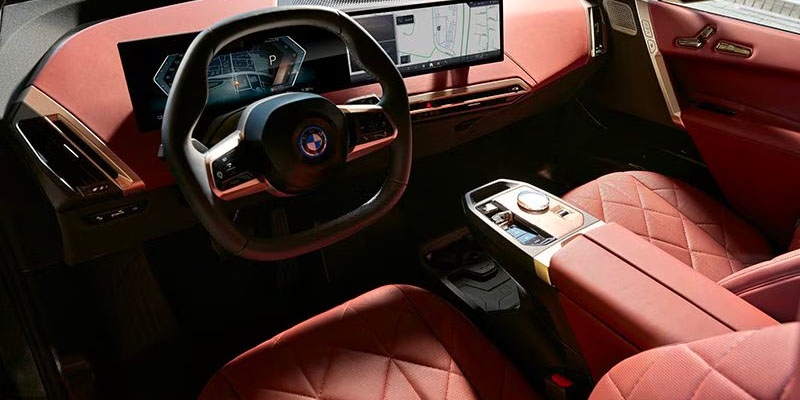
What BMW xDrive Actually Is
BMW xDrive is a fully variable all wheel drive system designed around predictive torque distribution. Rather than waiting for wheel slip to occur, xDrive anticipates traction needs by monitoring vehicle behavior in real time.
Core system inputs include:
- Wheel speed sensors
- Steering angle
- Throttle position
- Yaw rate and lateral acceleration
- Vehicle speed and load conditions
These inputs allow the system to distribute torque dynamically between the front and rear axles before traction is compromised.
Predictive Torque Distribution Versus Reactive AWD
Many all wheel drive systems react after wheel slip is detected. BMW xDrive operates differently by acting preemptively.
xDrive advantages include:
- Torque distribution adjustments before wheel slip occurs
- Reduced need for abrupt braking interventions
- Smoother vehicle response during acceleration
- Greater stability during lane changes and cornering
This predictive behavior is especially valuable during sudden downpours or when transitioning between dry and wet pavement common on Florida roads.
Rear Bias Design and BMW Driving Dynamics
BMW xDrive is engineered with a rear bias to preserve the brand’s driving character. Under normal conditions, power is sent primarily to the rear wheels to maintain balanced handling and steering feel.
Rear bias behavior supports:
- Natural steering response
- Improved acceleration balance
- Reduced understeer compared to front biased systems
- A driving feel consistent with rear wheel drive BMW models
When additional traction is needed, xDrive seamlessly redirects torque to the front axle without disrupting the driving experience.
Integration With BMW Stability and Traction Systems
xDrive does not operate independently. It works in coordination with BMW Dynamic Stability Control and traction management systems.
System integration allows:
- Fine torque adjustments instead of heavy braking intervention
- Controlled power delivery during corner exit
- Improved stability during emergency maneuvers
- Predictable behavior when road conditions change quickly
By managing torque rather than relying solely on brakes, xDrive maintains momentum and control simultaneously.
Performance Benefits Beyond Traction
While xDrive improves traction, it also enhances performance dynamics in everyday driving.
Performance related benefits include:
- Improved acceleration on wet surfaces
- Greater confidence during highway merging
- Stability during high speed lane changes
- Reduced wheel spin under throttle input
These benefits are noticeable even during normal driving, not just in adverse conditions.
xDrive in Rain and Wet Florida Conditions
Florida driving presents unique challenges. Sudden rainstorms, standing water, and slick road surfaces demand immediate traction management.
xDrive supports wet weather driving by:
- Adjusting torque distribution instantly during throttle input
- Maintaining directional stability through corners
- Reducing hydroplane related instability during acceleration
- Supporting controlled braking and steering inputs
For Jacksonville drivers, this translates to calmer vehicle behavior when conditions deteriorate quickly.
Fuel Efficiency and xDrive Operation
xDrive is designed to balance performance and efficiency. The system does not permanently engage all four wheels at full output unless conditions require it.
Efficiency considerations include:
- Variable torque distribution rather than constant engagement
- Reduced driveline losses during steady cruising
- Intelligent disengagement when additional traction is unnecessary
This approach minimizes efficiency penalties while preserving traction benefits.
How xDrive Feels in Daily Driving
One of the defining characteristics of xDrive is how unobtrusive it feels. Most drivers rarely notice when the system is actively adjusting torque.
Daily driving impressions include:
- Smooth acceleration without wheel spin
- Stable steering feel during sudden inputs
- Confidence during heavy rain without harsh intervention
- Seamless operation that does not distract the driver
xDrive is designed to support the driver rather than announce its presence.
xDrive Versus Traditional AWD Systems
Not all all wheel drive systems serve the same purpose. BMW xDrive prioritizes on road performance and safety rather than low speed off road use.
Key distinctions include:
- Performance oriented torque management
- Integration with chassis and steering systems
- Rear biased behavior for driving engagement
- Predictive rather than reactive operation
This makes xDrive particularly well suited for drivers who value control and confidence on paved roads.
Do Jacksonville Drivers Need xDrive
xDrive is not required for every driver, but it offers meaningful advantages in certain situations.
xDrive may be especially beneficial for drivers who:
- Regularly drive in heavy rain
- Commute on highways at higher speeds
- Prefer added confidence during sudden maneuvers
- Value stable acceleration in variable conditions
For drivers prioritizing composed on road performance, xDrive adds reassurance without sacrificing BMW driving dynamics.
What to Evaluate When Choosing xDrive
When deciding whether xDrive is the right choice, drivers should evaluate:
- Typical driving conditions
- Comfort level during wet weather
- Preference for rear wheel drive versus added traction
- Driving style and confidence priorities
Understanding how the system behaves is more important than focusing on labels like AWD alone.
Final Perspective on BMW xDrive
BMW xDrive represents a refined approach to all wheel drive engineering. By combining predictive torque distribution, rear biased performance tuning, and deep integration with stability systems, xDrive enhances confidence without diluting the driving experience.
For Jacksonville drivers facing unpredictable weather and high speed travel, BMW xDrive delivers traction and control that feels natural, balanced, and quietly capable. It is not about conquering terrain. It is about maintaining confidence when conditions change.
Leasing a BMW is a strategic ownership choice built around how value, technology, and usage intersect over time. For Jacksonville drivers deciding between the BMW X3 and BMW X5, understanding how leasing works at a mechanical and financial level helps clarify which model aligns best with daily driving needs rather than simply comparing monthly payments.
This guide explains how BMW leases are structured, how the X3 and X5 differ in lease efficiency, and what drivers should evaluate before committing to either SUV.

How BMW Leasing Works at a Fundamental Level
A lease is not a discounted purchase. It is a calculated agreement based on depreciation, usage, and time. Instead of paying for the entire vehicle, lessees pay for the portion of value expected to be used during the lease term.
Core elements of a BMW lease include:
- Capitalized cost, which reflects the negotiated vehicle price
- Residual value, the projected worth of the vehicle at lease end
- Money factor, representing the cost of financing
- Lease term length, commonly 24 to 36 months
- Mileage allowance tied to expected annual driving
The difference between the capitalized cost and the residual value determines depreciation, which forms the foundation of the monthly payment.
Why Residual Value Shapes X3 and X5 Lease Payments
Residual value is the single most influential factor in lease efficiency. Vehicles that hold value well reduce depreciation costs over the lease term.
The BMW X3 and X5 behave differently due to their design and market positioning:
- X3 benefits from strong demand in the compact luxury SUV segment
- X3 size and efficiency support broader resale appeal
- X5 commands a higher starting price due to size and capability
- X5 depreciation reflects greater mass and complexity
Because the X3 appeals to a wider range of buyers and requires fewer resources to operate, it often leases more efficiently than the X5.
Vehicle Size and Engineering Impact on Leasing
Engineering choices influence leasing more than many drivers realize. Size, weight, and component load affect wear patterns and long term value.
Engineering differences between the X3 and X5 include:
- X3 lighter curb weight supports efficiency and reduces component stress
- X5 larger chassis supports increased passenger and cargo capacity
- X5 requires larger tires and braking systems due to mass
- X3 favors agility and daily maneuverability
For drivers primarily commuting or navigating urban traffic, these factors can make the X3 feel more proportionate to real use.
Mileage Planning and Jacksonville Driving Habits
Mileage allowances are central to lease planning. Exceeding agreed mileage results in additional charges at lease end.
Typical BMW mileage options include:
- 10,000 miles per year
- 12,000 miles per year
- 15,000 miles per year
X3 lessees often choose moderate mileage allowances due to commuter focused use. X5 lessees may require higher allowances if the vehicle serves as a family transporter or road trip vehicle. Choosing the right mileage upfront prevents unnecessary end of lease costs.
Technology Cycles and Lease Strategy
BMW vehicles integrate rapidly advancing technology across driver assistance, infotainment, and digital interfaces. Leasing allows drivers to access these updates without committing long term.
Technology considerations include:
- X3 technology emphasizes daily convenience and efficiency
- X5 includes additional systems tied to size and comfort
- Leasing supports frequent upgrades as technology evolves
- Warranty coverage typically aligns with lease terms
For drivers who value staying current with BMW innovations, leasing offers flexibility without long term commitment.
Lease Versus Finance for X3 and X5 Owners
Leasing and financing serve different ownership goals. Understanding which path fits usage patterns is critical.
Leasing may be ideal for drivers who:
- Want predictable monthly costs
- Prefer warranty coverage throughout ownership
- Drive within defined mileage limits
- Plan to change vehicles every few years
Financing may suit drivers who:
- Intend to keep the vehicle long term
- Drive higher annual mileage
- Want to eliminate payments over time
- Value ownership flexibility beyond lease terms
The X3 often aligns well with leasing due to balanced depreciation. The X5 may appeal more to buyers planning extended ownership to fully utilize its capability.
Driving Dynamics and Lease Value Retention
Driving behavior influences vehicle condition at lease end. BMW engineering supports predictable wear and stability, which aligns with leasing assumptions.
Engineering traits that support lease performance include:
- Balanced chassis tuning that reduces uneven tire wear
- Smooth torque delivery that minimizes drivetrain stress
- Suspension calibration designed for stability under load
- Braking systems sized to manage vehicle mass consistently
These factors help preserve vehicle condition across lease cycles.
What Jacksonville Drivers Should Evaluate Before Leasing
Before choosing between the X3 and X5, drivers should evaluate:
- Daily commute distance and traffic conditions
- Passenger and cargo requirements
- Parking and maneuverability preferences
- Expected annual mileage
- Desire for flexibility versus long term ownership
Selecting a vehicle that matches real use is more important than choosing the largest or most powerful option.
Why BMW Lease Programs Appeal to SUV Drivers
BMW leasing programs are designed around realistic ownership patterns. Residual values, mileage structures, and term options reflect how drivers actually use their vehicles rather than marketing assumptions.
This approach benefits drivers who want:
- Transparent cost expectations
- Structured ownership planning
- Predictable transitions between vehicles
Leasing becomes a practical tool rather than a short term incentive.
Final Perspective on BMW X3 and X5 Lease Options
Leasing a BMW X3 or X5 is about aligning engineering, usage, and value over time. The X3 offers a nimble, efficient leasing option well suited for daily driving and commuting. The X5 delivers additional space and capability that may justify higher lease costs for drivers who regularly use those advantages.
For Jacksonville drivers comparing these two BMW SUVs, understanding how size, depreciation, and technology cycles affect leasing decisions ensures a choice rooted in practicality and long term confidence.
Connect with us


Recent Blog Entries
- How BMW Safety Systems Support Highway and City Driving
- Certified Pre-Owned BMW Inspections Explained
- Understanding BMW Plug In Hybrid Daily Driving Behavior
- How BMW X5 and 5 Series Lease Paths Support Jacksonville Drivers Comparing Options
- What Jacksonville Buyers Should Know About BMW Maintenance Coverage