


BMW Condition Based Service is designed to replace fixed maintenance schedules with a system that adapts to how the vehicle is actually driven. Instead of relying on a set mileage interval, BMW uses real-time data from the vehicle to determine when service is required. This approach is built around monitoring system performance, component wear, and operating conditions to predict maintenance needs before issues develop.
For BMW owners, this means service timing is not static. It is calculated based on how the vehicle operates day to day, which creates a more precise and responsive maintenance strategy.
What is BMW Condition Based Service
BMW Condition Based Service is a predictive maintenance system that uses vehicle data to determine when specific services should be performed. Rather than following a fixed schedule, the system evaluates how components are performing and calculates remaining service life.
At a system level, BMW integrates multiple control modules and sensors to monitor key areas such as engine operation, braking performance, and fluid condition. These inputs are processed through onboard algorithms that estimate how quickly components are wearing under current driving conditions.
The system then communicates this information through the BMW iDrive interface, displaying service intervals for:
- Engine oil
- Brake pads
- Vehicle inspections
- Additional maintenance items depending on the model
This approach allows the vehicle to adjust service timing dynamically. A BMW driven primarily on highways may extend service intervals, while a vehicle used in stop and go traffic may require more frequent attention.
The result is a maintenance system that aligns service needs with actual usage rather than assumptions.
How does BMW know when service is needed
BMW determines when service is needed by combining sensor data with predictive algorithms that model component wear over time. Each monitored system contributes specific data points that help calculate remaining service life.
For example, engine oil condition is not measured by a single sensor. Instead, the system evaluates:
- Engine temperature cycles
- Engine load and RPM patterns
- Driving duration and frequency
- Cold start frequency
These inputs allow the system to estimate how quickly the oil is degrading rather than relying on mileage alone.
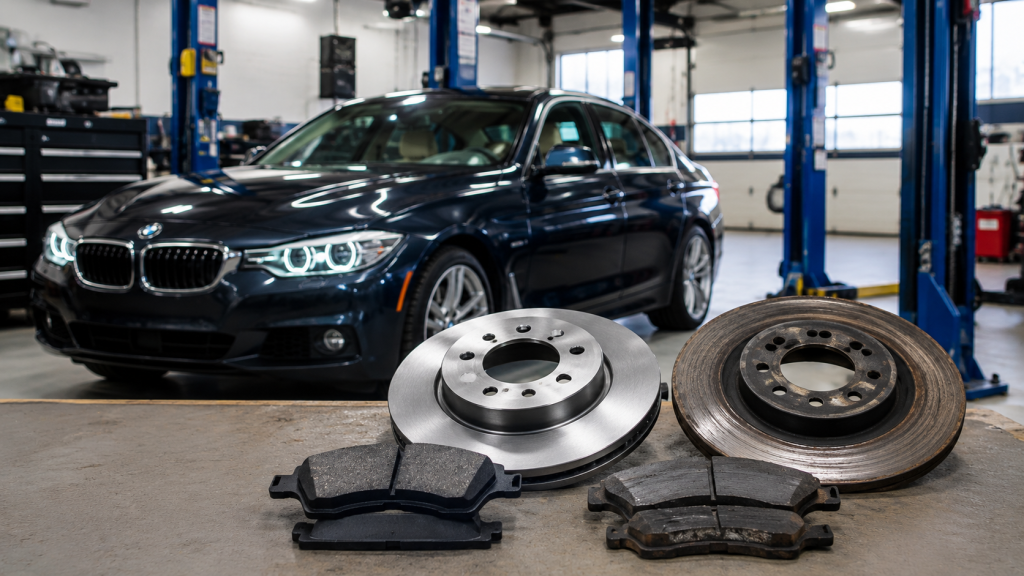
Brake wear is monitored through physical sensors embedded in the brake pads. As the pads wear down, the sensor provides feedback on remaining thickness. This allows the system to predict when replacement will be required before performance is affected.
Other systems contribute additional data, including:
- Fuel consumption patterns
- Environmental conditions
- Driving intensity
By combining these inputs, BMW creates a predictive model of component wear. This is why service intervals can vary significantly between drivers. The system is not guessing. It is continuously recalculating based on real operating conditions.
How driving behavior changes service timing
Driving behavior directly influences how quickly components wear, which is why BMW Condition Based Service adjusts intervals based on how the vehicle is used. The system is designed to recognize patterns that increase or decrease stress on key components.
For example:
- Frequent short trips increase engine wear due to repeated cold starts
- Aggressive acceleration raises engine load and fuel demand
- Heavy braking accelerates brake pad wear
- Consistent highway driving reduces strain on multiple systems
These factors change how quickly maintenance is required. A BMW used for long, steady highway drives may experience slower oil degradation and brake wear. In contrast, a vehicle used in urban traffic with frequent stops and starts will reach service thresholds sooner.
This adaptability is what allows CBS to provide more accurate service timing. It ensures maintenance is performed when needed, not simply when a preset mileage is reached.
For drivers, this explains why two identical BMW models can display different service intervals. The system is reflecting actual usage, not a standardized schedule.
What BMW service intervals mean for ownership
BMW service intervals under Condition Based Service represent calculated maintenance timing based on real vehicle conditions. This changes how owners should think about maintenance.
Instead of asking how many miles between services, the focus shifts to understanding system feedback. The vehicle is continuously evaluating itself and providing guidance based on data.
This has several practical implications:
- Maintenance is performed only when necessary, reducing unnecessary service visits
- Components are serviced before failure, improving reliability
- Long-term ownership costs can be managed more effectively
For BMW owners, the key is trusting the system while remaining aware of how driving habits influence results. The CBS system is designed to balance performance, efficiency, and durability by aligning maintenance with actual vehicle use.
When understood correctly, it becomes a tool for maintaining vehicle health rather than a source of confusion. It translates complex system data into clear service recommendations that support both short-term performance and long-term reliability.