


Leasing works best when the vehicle’s real world use matches how the contract is structured. For Jacksonville drivers comparing the BMW X5 and BMW 5 Series, the decision is less about SUV versus sedan preference and more about how each vehicle behaves under a lease when mileage, depreciation, and daily driving patterns are factored in.
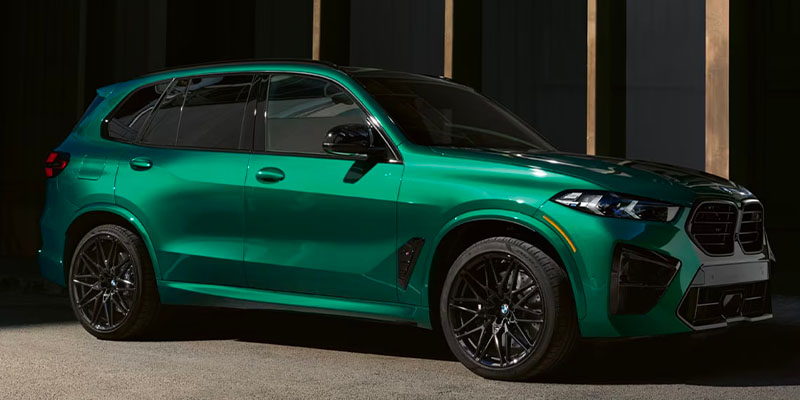
Both models lease well for different reasons, but they support different usage profiles. Understanding how BMW Financial Services structures leases and how each vehicle type absorbs wear, mileage, and depreciation helps drivers avoid common lease regret points.
How BMW Leasing Is Structured at a System Level
BMW leases are closed end contracts. That means the vehicle’s future value is predicted up front and built into the payment. Three variables matter most:
- Residual value
The estimated value of the vehicle at lease end. Higher residuals generally support lower monthly payments. - Mileage allowance
Typically 10,000, 12,000, or 15,000 miles per year, with options to pre purchase additional mileage. - Term length
Most BMW leases run 36 months, which aligns with warranty coverage and predictable depreciation.
Where drivers get into trouble is assuming all BMWs behave the same under these variables. They do not.
Why the BMW X5 and 5 Series Lease Differently
BMW X5 Lease Behavior
The X5 is one of BMW’s highest demand vehicles nationally, and that demand supports strong residual values for an SUV. However, real world usage patterns affect lease outcomes more aggressively.
Key lease characteristics of the X5:
- Higher starting MSRP, but demand supports residual strength
- Heavier vehicle weight, which affects tires, brakes, and wear
- More frequent passenger and cargo use, increasing interior and suspension wear
- Higher likelihood of AWD, which improves resale appeal but can increase operating costs
For Jacksonville drivers, the X5 often fits households that:
- Drive mixed highway and suburban routes
- Carry passengers or cargo regularly
- Want ride height and road presence for daily commuting
- Accumulate moderate annual mileage rather than extended highway miles
Because the X5 absorbs depreciation differently, mileage planning becomes critical. Over mileage penalties on an SUV can feel more expensive because replacement costs at lease end tend to be higher.
BMW 5 Series Lease Behavior
The 5 Series benefits from sedan efficiency and predictable depreciation. While sedans generally depreciate faster than SUVs in long term ownership, leasing isolates that risk.
Key lease characteristics of the 5 Series:
- Lower curb weight, reducing wear on consumables
- Highway efficiency, which matters for longer daily commutes
- Interior usage patterns that remain consistent
- Professional and commuter demand supporting lease cycles
For Jacksonville drivers, the 5 Series often suits:
- Longer highway commutes
- Consistent daily mileage
- Drivers prioritizing ride comfort and efficiency
- Lower tolerance for wear related lease end charges
Sedans typically return more predictable lease outcomes when mileage is accurately planned. The 5 Series rewards drivers who stay within contracted miles and maintain steady usage.
Mileage Planning Is the Real Decision Point
Across BMW leasing SERPs, mileage regret appears more than any other issue. Jacksonville’s geographic sprawl makes this especially relevant.
Important mileage considerations:
- Daily commute distance multiplied over 36 months
- Weekend driving habits
- Regional driving consistency year round
- Road trip frequency
BMW allows mileage to be structured up front. Pre purchasing mileage is almost always cheaper than paying over mileage penalties at lease end.
Typical over mileage penalties apply per mile, and exceeding the contract by several thousand miles can erase any monthly payment advantage.
Drivers choosing the X5 should be conservative with mileage estimates. Drivers choosing the 5 Series can often match mileage more precisely due to predictable commute patterns.
Lease Term Length and Vehicle Type Alignment
Most BMW leases perform best at 36 months, but vehicle type influences why.
- X5 at 36 months
Aligns with strong residual performance and limits exposure to higher maintenance wear - 5 Series at 36 months
Maximizes technology relevance while avoiding deeper depreciation cycles
Shorter lease terms can increase monthly payments without delivering meaningful advantages unless driving habits are highly uncertain.
Wear, Maintenance, and Lease End Reality
BMW leases do not include unlimited wear forgiveness. How a vehicle is used matters.
SUV specific wear considerations:
- Tire replacement frequency
- Brake wear due to weight
- Interior wear from family or cargo use
Sedan specific wear considerations:
- Lower tire and brake stress
- Less suspension fatigue
- More predictable interior condition
Drivers choosing an X5 lease should factor wear protection more seriously than those choosing a 5 Series lease, especially for family driven vehicles.
Which Lease Path Fits Jacksonville Drivers Better
Neither vehicle is universally better. The lease fit depends on usage alignment.
The BMW X5 lease supports drivers who:
- Want flexibility and space
- Accept slightly higher wear exposure
- Plan mileage carefully
- Value SUV demand supporting residuals
The BMW 5 Series lease supports drivers who:
- Drive longer daily distances
- Want predictable lease outcomes
- Prioritize efficiency and comfort
- Prefer lower wear risk
When lease structure matches real world behavior, both vehicles deliver strong value. When it does not, dissatisfaction usually shows up at lease end rather than during ownership.
Final Decision Framework
Before choosing between the BMW X5 and 5 Series lease paths, Jacksonville drivers should evaluate:
- Daily mileage reality, not estimates
- Passenger and cargo frequency
- Driving environment consistency
- Tolerance for wear related charges
Leasing works when the contract mirrors how the vehicle will actually be used. The more accurately that match is made up front, the more satisfying the lease experience becomes.
Connect with us


