
Blog / Jacksonville BMW Service

Blog

All Jacksonville BMW Service Jacksonville BMW Dealer Tom Bush BMW Things To Do In Jacksonville Jacksonville Amenities Tom Bush BMW Jacksonville Service Jacksonville Luxury Cars Jacksonville Entertainment Jacksonville Used Cars Tom Bush Family of Dealerships Jacksonville Parks Jacksonville Eateries Jacksonville Restaurants Family Fun in Jacksonville Jacksonville Landmarks Jacksonville Beaches Tom Bush BMW Collision Repair Holidays in Jacksonville Jacksonville Vegetarian Eating Things To Do Near Jacksonville Vegan Foodies BMW Lease Jacksonville Jacksonville Collision Small Town Fun
Post 1 - Featured image

3 Services Offered by Your BMW Dealership

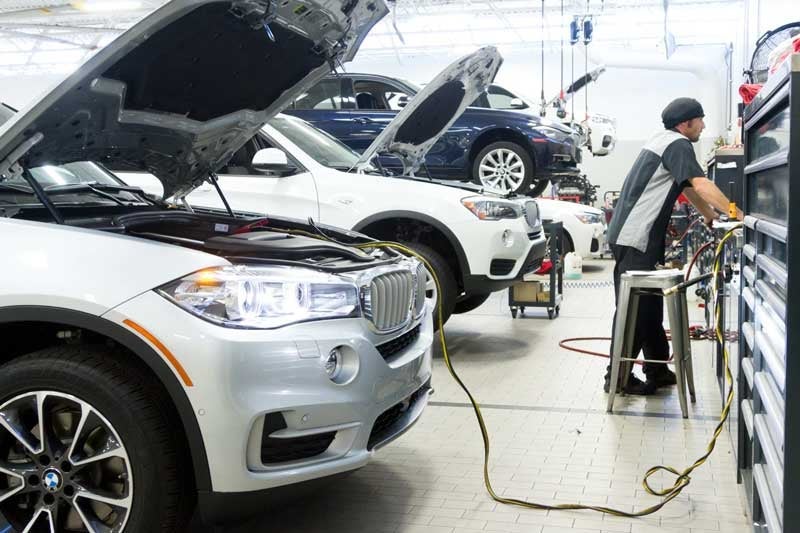
A BMW service is performed by BMW-trained technicians with expert knowledge of your vehicle and all its systems. This enables them to work faster and more precisely than other technicians. In addition, we only use BMW-approved replacement parts to ensure your safety and the long-term health of your vehicle. As your BMW dealership, we want to tell you about some of the services we provide. 3 Examples of BMW Service Available at Your BMW Dealership FastService Your time is money, so we know you want your service completed ASAP. Many services can be expertly completed in a short time, so we've drawn on the years of experience of BMW pit reading crews and organized teams of BMW-trained technicians to complete them within one hour or less. These services include tire replacement, brake pad replacement, and oil changes. When you come in for a FastService, you can enjoy the comfort and hot coffee in our customer lounge while our teams get to work. We utilize dedicated repair bays and pit crew-type organizations to assign sufficient technicians to complete your service as speedily as possible. Book one of these services and set your stopwatch; we know you'll be impressed. Tire Rotations Your tire tread gradually wears down due to surface friction, and this type of wear can't be prevented. You can, however, protect your tires against preventable wear and tear by regular tire rotations. Each tire position causes wear on specific tread areas, and as time passes, continued wear on the same areas will cause a leak or a blowout. We prevent this by moving each tire to a new position. The exact positions the tires move to depend on your drivetrain. If you have FWD, most of the vehicle's weight is concentrated in the front, leading to more increased damage to those tires. An RWD, in contrast, causes more damage to the rear tire tread. Moving the tires spreads the wear evenly, allowing each tire to wear down at a relatively similar rate. Wiper Blade Replacement Your wiper blades are made from high-quality rubber. It's the best material for cleaning the windshield since it's tough, flexible, and can't scratch the glass. As time passes, the rubber becomes less flexible due to exposure to UV rays, heat, cold, and age. When rubber loses its flexibility, it can crack. Cracks in rubber will widen and deepen over time, and pieces will break off. Broken, inflexible blades can't clean the windshield glass effectively, and could damage it. They can also cause an accident as a smeared windshield reduces your visibility when you need it most. Once we replace the blades, your windshield will be sparklingly clean again. Book your maintenance today by contacting us at Tom Bush BMW Jacksonville in Jacksonville, FL.
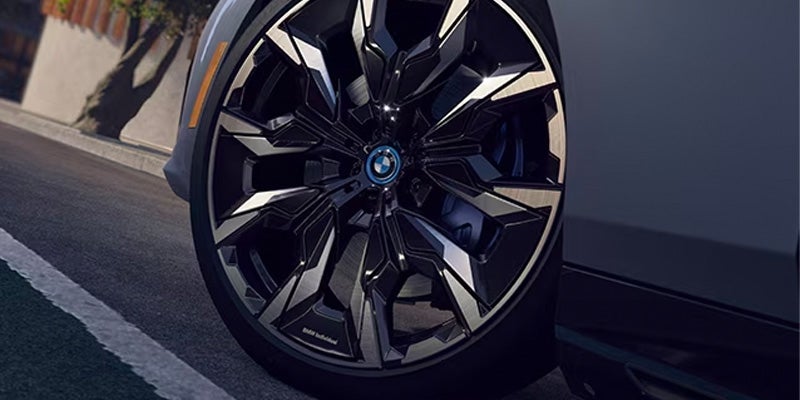
BMW Tire

The Importance of Using Genuine BMW Parts for Vehicle Repairs

BMW is the gold standard for engineering and craftsmanship in automobiles. As a BMW owner, you no doubt appreciate this and wouldn't want to sully the exceptional quality of your luxury vehicle with off-brand aftermarket components. OEM parts keep your car running smoothly, fault-free, and with optimal efficiency for the longest possible duration. Read on to learn why you should always choose genuine replacement parts when visiting your local BMW dealer for repairs. The Importance of Using Genuine BMW Parts for Vehicle Repairs World-Class Quality When it comes to quality of workmanship, nothing compares to an original part designed and constructed by BMW engineers. When you install an OEM car part, you can rest assured knowing it meets BMW's stringent quality standards. The component will do its job perfectly without breaking down or causing unexpected problems inside your car. The same cannot be said for subpar aftermarket car parts. Identical Specifications Each BMW component has precisely the same technical specifications and dimensions as the original part it's replacing. This makes for seamless integration into your vehicle without the hazardous compatibility issues often experienced with generic car parts. The process of installing an identical part is also typically much quicker. Fewer Faults and Repairs With OEM components, you have less long-term hassle and cost resulting from premature wear and malfunctions. Superior quality BMW parts work smoothly together as designed, creating less friction. Each component is also more reliable and durable, withstanding pressure and wearing down less rapidly. Maximized Longevity Modern BMW vehicles are not only elegant and powerful but also long-lived. You can expect your BMW to last up to 250,000 miles, as long as it's well-kept. Optimal BMW care requires the use of genuine BMW parts during maintenance and repairs; the more lower-quality generic parts you put into your car, the shorter its lifespan will be. Enhanced Vehicle Value If you'd like to resell your BMW one day, it's wise to use only OEM car parts during your repairs. Individuals purchasing pre-owned luxury vehicles understand the difference OEM car parts make to the car's overall performance, reliability, and longevity. You'll be able to claim a much higher price when 100 percent of the vehicle is a product of premium BMW craftsmanship. Your BMW Dealer Can Promptly Install Genuine OEM Parts Your busy lifestyle needn't be interrupted for long when having an OEM component put in. Our specialist engineers can quickly carry out the installation, returning your car to optimal condition in no time. Visit Tom Bush BMW Jacksonville in Jacksonville, FL, today to have your luxury vehicle serviced and repaired by qualified professionals. Since opening our doors in 1980, we've been providing consistently exceptional customer service to the region's most discerning drivers.

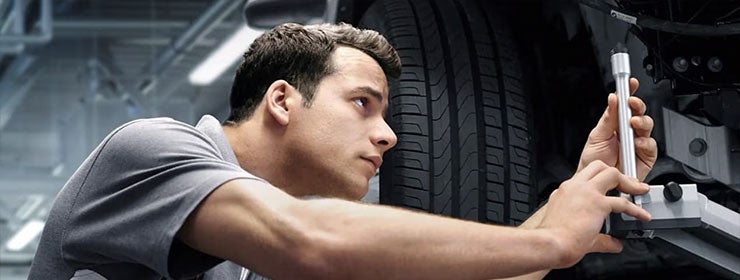
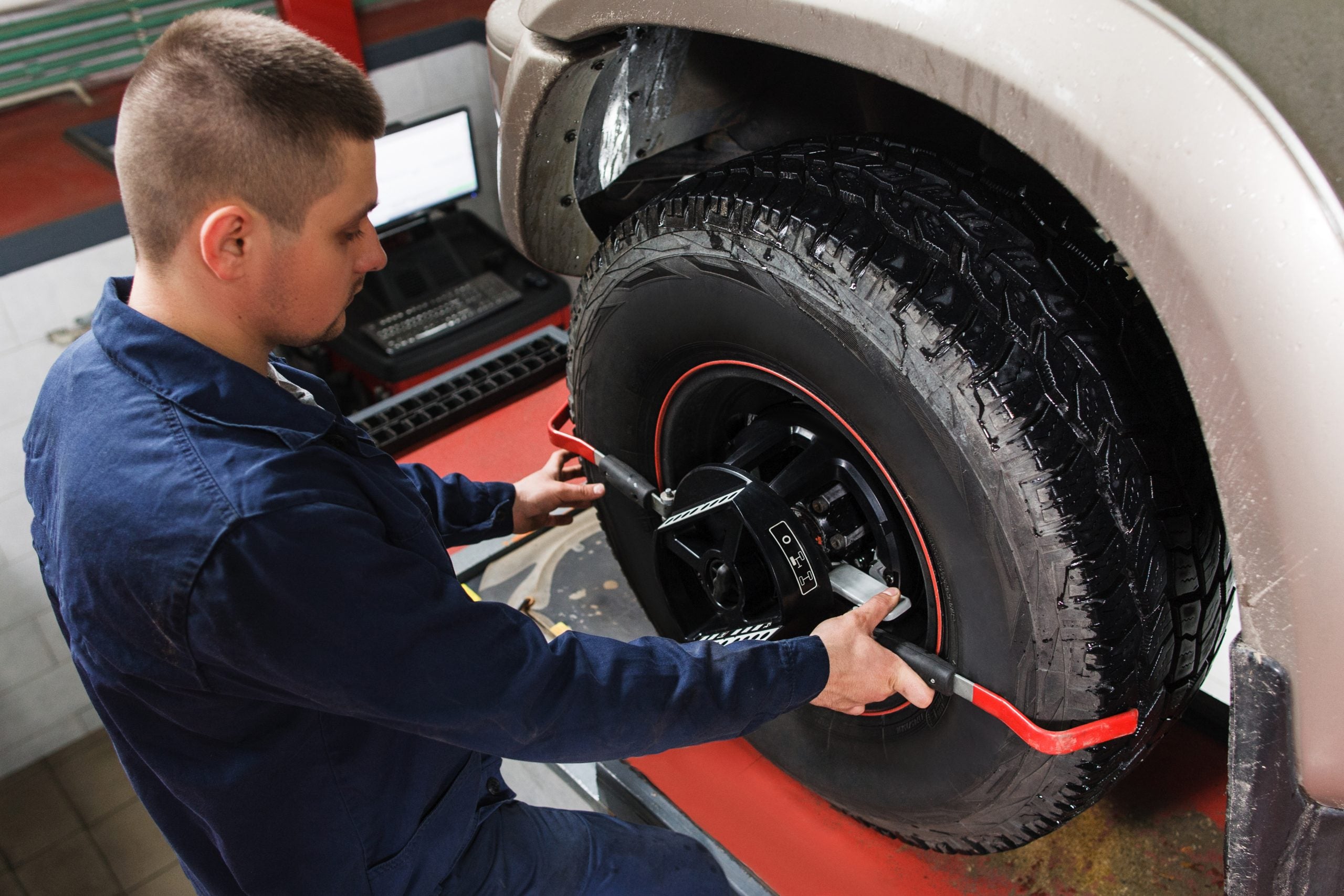
Mechanic adjusting a tire with an alignment tool

Achieving Optimal Alignment: BMW Wheel Alignment Services

Getting a wheel alignment regularly helps keep your wheels flat on the ground and pointing in the right direction. It's something that you'll need to get as needed from your BMW dealership, as skipping getting a tire alignment can have negative consequences. What Are BMW Wheel Alignment Services? The service that's referred to as a wheel or tire alignment isn't an adjustment of your wheels or tires; it's an adjustment of your suspension system. The suspension system is what connects your wheels to the rest of the car. When you come in for an alignment, we adjust the camber, toe, and caster of your wheels to get them to face in the right direction and make uniform contact with the ground. Camber The camber alignment refers to the way your tires are leaning. They may have a positive or negative camber, meaning they're leaning away from your car or leaning toward it when viewed from the front of the car. Toe When your car is aligned, your tires should be facing straight ahead when your steering wheel is in a neutral position. When there are issues with the toe alignment, it means the tires are facing away from your vehicle or inwardly toward it when your steering wheel is in a neutral position. Caster The caster is the angle that helps your car stay stable and helps balance steering. When you look at your wheels from the side, the steering axis may be pointed back toward the driver or forward toward the front of the car when there's an issue with the caster alignment. Why Are Alignments Important? Getting alignments to correct issues with the camber, toe, or caster alignment improves handling, reduces uneven tire wear, and makes driving overall safer. When your car is out of alignment, your tires may not be making an even amount of contact with the road, reducing your traction and making your car less stable. You may also have to adjust your steering angle when your car is out of alignment, as the steering wheel could be off-center. In some cases, the steering wheel may need to be turned to one side to get your car to drive in a straight line. All of these issues make your car harder to handle and more dangerous to drive. When Should You Head to the BMW Dealership for a Tire Alignment? You'll get an alignment at the dealer any time the technicians notice your car is out of alignment. You may notice certain signs when your wheels are out of alignment, telling you it's time for a trip to the dealer. The signs include: The steering wheel feels unresponsive The car veers to one side when trying to drive straight The steering wheel is crooked The tires squeal If you need an alignment, then come to Tom Busch BMW Jacksonville in Jacksonville, FL to get that fixed today. Head to our website to schedule service.

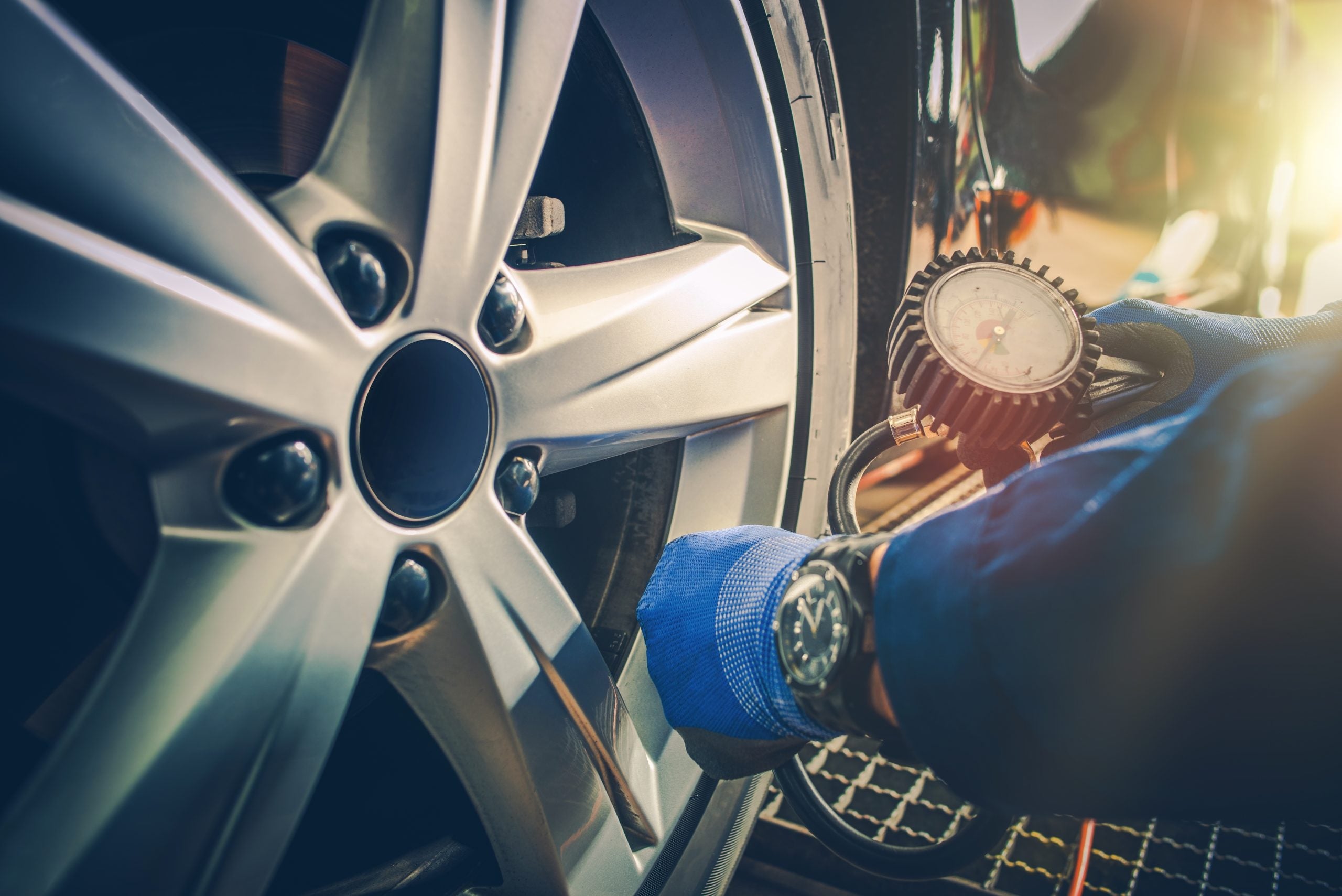
Car,Tire,Pressure,Check,In,The,Auto,Service,Garage.

Tire Maintenance: Three Tips for Taking Care of Your Tires

Your BMW's tires have been carefully selected to support the world-class performance standard of your vehicle, so it's essential to pay careful attention to the condition of your tires. Some tire care tasks should be done monthly, while others can be done once a year. Take a look at the best tire maintenance tips for your BMW and learn when to schedule service at your BMW dealership. Tire Maintenance: Three Tips for Taking Care of Your Tires 1. Routine Tire Rotations at Your BMW Dealership One of the best things you can do for the longevity of your tires is to schedule routine tire rotations. For the average driver, a tire rotation should be scheduled every 5,000 to 8,000 miles, or at least twice a year. During your tire rotation service, your tires will be rotated to the front or back wheels to ensure that the tread on all four tires is wearing down evenly. Tire rotations are essential for vehicle performance because uneven tread wear can make handling your car more difficult, particularly in slippery driving conditions. Additionally, a tire rotation is a good opportunity for a BMW mechanic to inspect your tires to determine if it's time for a new set. A new set of tires will be recommended when the tread wear is too low for the tire to provide safe traction when you're on the road. 2. Check Your Tire Air Pressure Frequently Ideally, you should check the air pressure in all four tires at least once a month. You can purchase a tire pressure gauge and keep it in your glove box for easy access. If you notice that your tire air pressure is lower than what is recommended in your BMW owner's manual, then you can stop by the dealership for a top-off. When you check your tire air pressure at home, you should wait until the tires are cold. A good time to do this is before you start your car, or before you spend any time on the road. Checking the air pressure on cold tires is best because your air pressure recommendation is based on cold tire air pressure. 3. Inspect Your Tires Before and After a Long Trip If you're planning a long trip, you should stop by your dealership to have your tires inspected. A BMW mechanic can identify warning signs in the quality of your tires, such as uneven tread wear or bulging on the sidewalls. It's also a good idea to have your tires checked after a long trip, just in case you encounter road debris that causes damage. Routine tire care includes checking the air pressure and frequently rotating tires. When your tires are in good shape, your BMW will have ideal traction and performance. Book your next tire service at Tom Bush BMW Jacksonville in Jacksonville, FL.
engine-inspection

The Ultimate Service Checklist for Your BMW

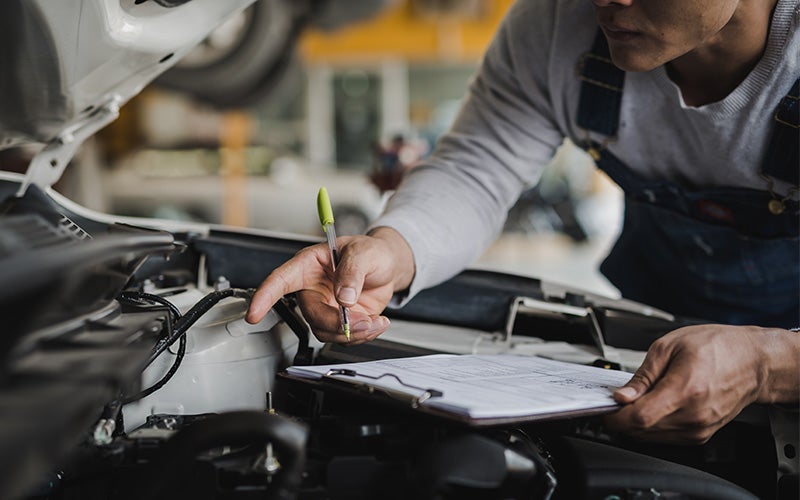
Your BMW is a high-performance vehicle, and if you want to maintain your BMW's world-class performance, you will need to keep up with routine maintenance. All of the maintenance tasks recommended in your owner's manual can be completed at your BMW dealership. Check out the most common tasks on your service checklist to ensure top-notch vehicle performance. The Ultimate Service Checklist for Your BMW In general, service for your BMW should be scheduled at least twice a year. For most drivers, this means scheduling service between 5,000 and 7,500 miles, depending on your specific engine and how often you drive your car. But whether you drive your car daily or once a week, certain components like your engine oil will degrade after six months, so twice-yearly service is always best. Tire Care Your tires should be rotated at least twice a year to ensure the tread on each tire is wearing evenly. When your tires are rotated, your wheels will be aligned to ensure easy and smooth handling. Your tire air pressure should also be checked frequently, particularly when the weather warms. Oil and Fluid Change Your vehicle relies on an assortment of internal fluids and lubricants to maintain its top-of-the-line performance. Engine motor oil protects the engine from friction, heat, and contaminants that can impact vehicle performance and fuel economy. Fluids like transmission fluid, wiper fluid, brake fluid, and coolant should be checked and topped off frequently. Wear and Tear Replacement You will also need to replace wear and tear parts, such as the oil filter, air filter, and windshield wipers. Parts such as your brake pads should be inspected during every service appointment, as well as all of your exterior lights. It's also best to have your battery tested during your routine service appointment, particularly if your BMW is more than a few years old. When Do You Need Urgent Service at Your BMW Dealership? You should schedule service for your BMW as soon as you notice anything off about your vehicle. Signs of imminent mechanical issues can include visible leaks, overheating, odd smells, loud brakes, and difficulty starting your car. Sometimes, you may even notice that your vehicle is harder to handle because the wheel pulls more to one side than the other, or your vehicle's fuel economy may drop. Additionally, you should schedule service as soon as any of your dashboard warning lights turn on. These lights only illuminate when internal vehicle sensors detect a serious issue under the hood, such as faulty connections, low motor oil, or other problems that can lead to major mechanical breakdowns. Your BMW's performance standard is easily maintained when you schedule frequent vehicle service. Book your next maintenance appointment at Tom Bush BMW Jacksonville in Jacksonville, FL.
oil change

How Often Should You Get Your BMW's Oil Changed?

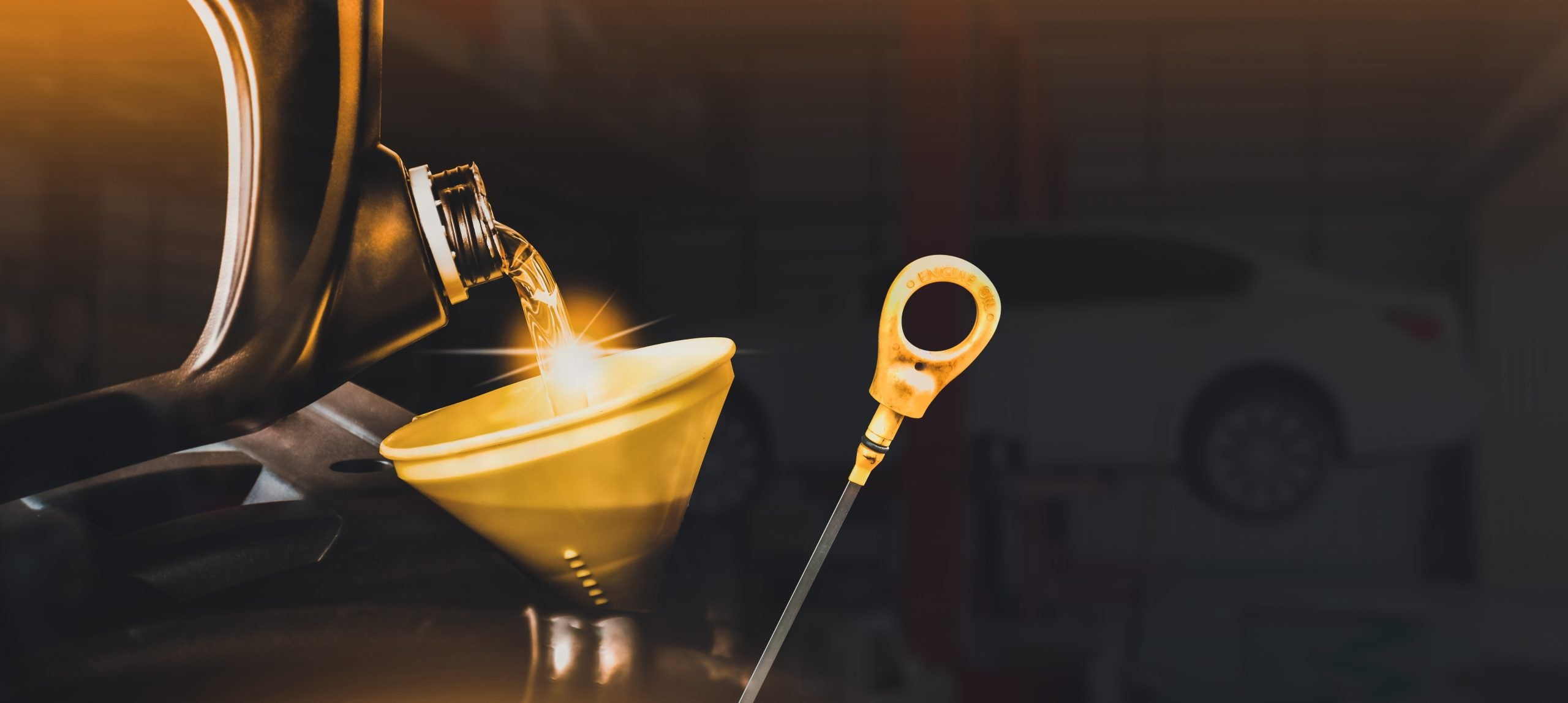
Gone are the days when changing your motor oil every 3,000 miles was the rule of thumb. Modern synthetic oil typically has a much longer lifespan of 7,500 to 10,000, although the ideal interval varies from driver to driver and depends on a number of factors. Read on to calculate how frequently you should visit your local BMW dealership for an oil change. How Often Should You Get Your BMW's Oil Changed? More Miles Means Faster Deterioration These days, the majority of drivers have their oil refreshed about twice a year. However, it's important to consider how many miles you drive. Most drivers travel about 14,000 miles a year on average. If you drive much more than this, consider changing your oil three or four times a year, and if you drive less, once a year might suffice. Consider Your Usual Driving Conditions When it comes to motor oil, not all driving habits and conditions are equal. Oil degrades when dust, dirt, sand, salt, metal fragments, and other particles get into the engine, thickening the oil. Therefore, if you frequently take your BMW on drives down rougher, dustier, dirtier roads, you'll need to change your oil more often. Long highway drives are easier on a car's engine and oil than short drives of under five miles, where the oil doesn't have time to warm up and lubricate properly. So if you're always using your BMW for short trips to the local grocery store and back, your motor oil might be under more pressure. Towing trailers, driving at slow speeds, and extreme temperatures also influence how rapidly oil wears down. Ask for Guidance at Your Local BMW Dealership Our seasoned technicians can discuss your usual driving conditions and help calculate the optimal interval for refreshing your oil. With decades of experience with BMW vehicles, they can also ensure that you're using the correct oil and servicing schedule for your particular model. Watch Out for Signs of Degrading Motor Oil You can visually inspect your oil at any time to ascertain whether or not it needs to be refreshed. If your oil is low, have it topped up at once. If it's dirty and filled with contaminants, you may need to change it. Neglecting to change your oil on time may lead to symptoms of engine trouble including a burning smell, strange vibrations, smoke from the exhaust, and reduced engine power. The check engine light will also appear on your dashboard. Always respond quickly to symptoms of deteriorating motor oil; otherwise, you may soon face an expensive repair job or even a completely seized-up engine. Visit Tom Bush BMW Jacksonville in Jacksonville, FL, to have your oil refreshed today by courteous, qualified professionals. We've been diligently helping out the region's BMW drivers since 1980 with exceptional vehicles, maintenance services, and customer care.

Car jump

How to Jump Start Your BMW

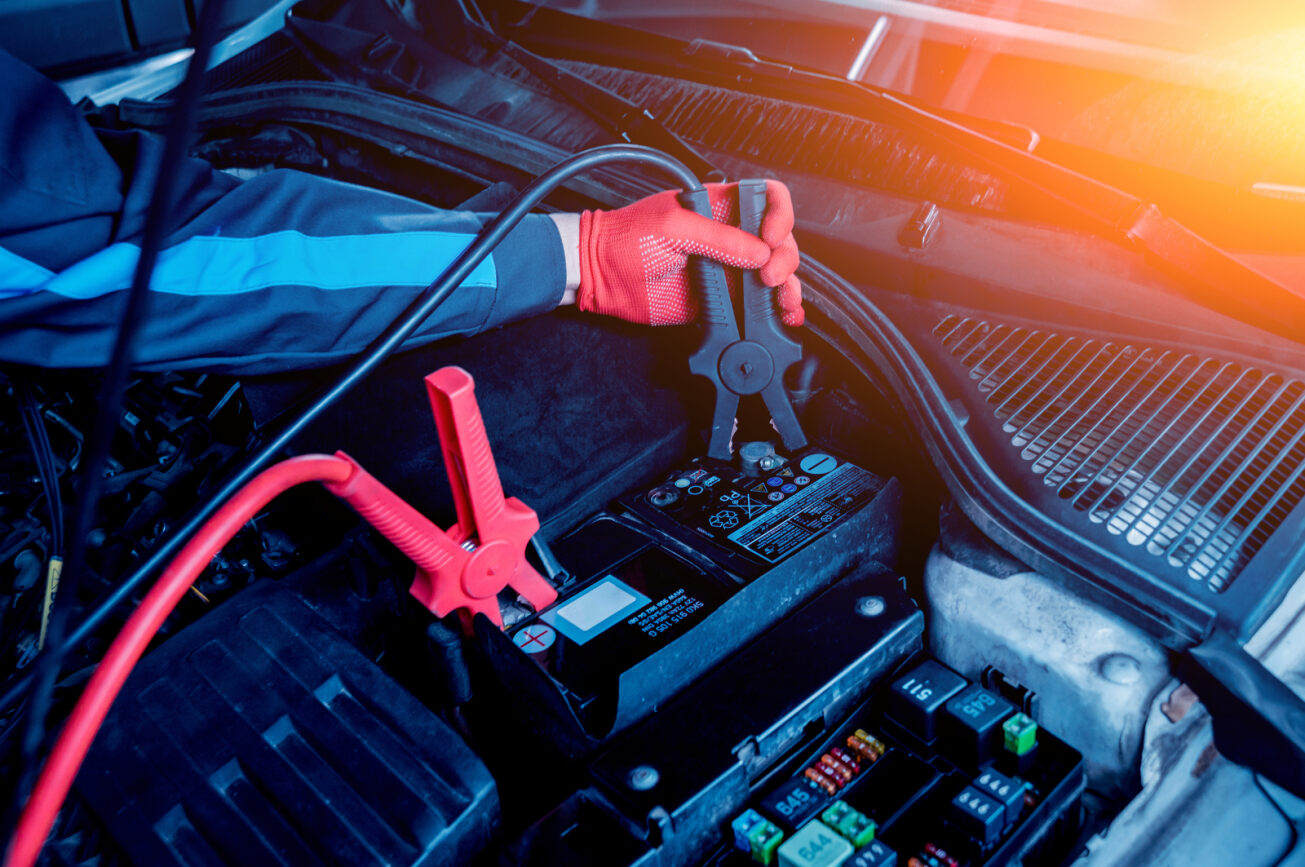
Knowing how to jump start your BMW could be the difference between arriving at your destination on time or being delayed having waited for roadside assistance to arrive. As your local BMW dealership, we're here to talk you through the steps to take to jump start your vehicle and get back on the road as quickly as possible. From Your BMW Dealership: How to Jump Start Your BMW Find a Good Samaritan Jumpstarting your BMW is a two-vehicle job, so you need to find a friend or fellow driver to assist you. And, either you or the other vehicle owner needs to own a set of jump leads. Position the Vehicles Once you've found a good Samaritan, ask them to pull up to the front of your BMW so the vehicles are grille-to-grille and close enough for the cables to reach with a little slack. They should not be touching. Connect the Cables Pop both hoods, locate the battery connectors, and identify which battery terminal is positive (red/+) and which is negative (black/-). Although most BMW batteries are located towards the trunk, you'll find the connectors under the hood. The cables then need to be attached in the following order: Attach one of the two red clamps to your BMW's positive terminal Connect the second red clamp to the second vehicle's positive terminal Attach a black clamp to the negative terminal on your BMW Place the other black clamp on the frame or any unpainted metal area on the second car. Don't let the clamps touch each other as this can cause a spark, which could start a fire. Charging the Battery With the cables connected, it's time to charge your flat battery. Get the other driver to start their engine and let it run for a few minutes, giving your battery time to charge. Get in your BMW and fire up the engine. If it doesn't start, leave it for a few more minutes before trying again. Remove the Clamps Once your vehicle's back up and running, leave the engine on and carefully remove the clamps in the reverse order you attached them. Thank your good Samaritan and drive around for a while to let the alternator do its job and recharge your battery. If you ever return to your BMW and find the battery is flat, follow the steps above and you'll be back up and running in no time. However, if you've tried and tried again and there's still no life in your vehicle, it's time to turn to the experts. Contact us or visit Tom Bush BMW Jacksonville in Jacksonville, FL today and let our experienced technicians work their magic to get you back on the road ASAP.

bmw-service (1)

5 Engine Problems You Should Always Fix at Your BMW Dealership

A car's engine is a delicate thing that requires advanced knowledge to repair, and that's why you should always consult an expert when you're having engine problems. Mechanics at the BMW dealership are factory-trained to deal with any issues that your BMW is having, and they know the nuances of your car's make and model. 5 Engine Problems You Should Always Fix at Your BMW Dealership 1. New Noises Lots of different parts of your car may start making new noises out of nowhere, and it's always a sign that something is wrong. A noisy engine can tell you that one of the components is worn out or that you have low oil pressure. Squealing brakes can signal that your brake pads need to be replaced. There are many other noises your car can make that tell you it's time to visit the dealer, too. 2. Trouble Starting Numerous components work together to get your car to start. If any one of those is worn out or has sustained damage, then it might take longer for your engine to turn over. Some problems can lead to your engine not starting at all. You need an expert to look under the hood and figure out what the problem is, so getting to the dealer as soon as you can is a must. 3. Exhaust Smoke The fumes coming out of your exhaust should be colorless, so if you notice white or dark smoke flowing out of the tailpipe, then it's usually a sign of trouble. A small amount of fast-dissipating white smoke coming out of the tailpipe during winter is okay, but a large amount of smoke of any color coming out of the exhaust is a bad sign, especially if the smoke doesn't dissipate fast. 4. Overheating If any of the components in your vehicle overheat, then it's a sign of trouble. Some parts, like the brake system, can overheat due to overuse in certain situations. But most of the time, overheating is more serious and points to an underlying problem with your car. It's especially serious if there's smoke coming out from under the hood. If that happens, pull over, turn off the engine, wait for the vehicle to cool down, and then get to a dealer. 5. Stalling Faulty fuel lines, filters, or spark plugs can lead to stalling. problems with your crankshaft position sensor can also make you come to an unexpected and unwanted stop. Stalling could cause a serious accident if it happens in the wrong place at the wrong time, so getting to the dealer should be your priority if you stall even once. We understand how troubling it is when you're having problems with your engine, so come to Tom Bush BMW Jacksonville to get those issues repaired. Our mechanics are ready and waiting to pop the hood and get those issues fixed ASAP.

Value_service_2022

How Often Should You Replace Your BMW's Brake Pads?

Your BMW brake pads are immensely important safety features and play a crucial role in slowing down and stopping your vehicle. How often your BMW dealer will have to replace the pads on your X3, 330e, or 230i, depend on various factors, including how and where you drive your vehicle. The following will help you determine when to replace the pads to keep you safe behind the wheel. How Often Should You Replace Your BMW's Brake Pads at your BMW Dealer? Pad Life A new set of pads can last between 30,000 and 60,000 miles, but how long pads last will also depend on other factors, such as the quality of the pads, your driving habits, and the roads you use. If you drive in heavy traffic, brake often, especially hard and excessive braking, and don't regularly service your braking system, you will have to replace the pads more often. Pad Thickness New pads usually have a thickness of eight to twelve millimeters and wear down and become thinner as you drive and use your brakes. For the pads to do their job correctly, they must be at least thicker than three millimeters. Anything thinner is dangerous and could cause your brakes to fail. To ensure your safety, the general rule of thumb is to replace pads when the pad thickness is in the four-millimeter range. Brake Inspections and Pad Replacement Intervals Follow your BMW service schedule and maintenance intervals, and your braking system will always be in good working order. During each brake system inspection, recommended every 7,500 to 10,000 miles or six months when you take your BMW for an oil change, your BMW technician will perform a thorough brake system inspection and ensure your brakes work perfectly. If the pads look worn and the linings are too thin, the technician will replace the pads with top-quality genuine BMW pads. Check your BMW owner's manual for the recommended brake system inspection intervals and pad replacements for your specific model, or ask your BMW technician for information. Quality Genuine BMW Pads When it comes to your safety and the safety of your passengers, you can rely on top-quality genuine BMW pads. Genuine BMW front and rear pads, the same pads that were on your car when you bought it, are engineered and manufactured for your vehicle to BMW's high standards and tested for reliability and safety. You can conveniently shop for genuine BMW pads on your dealer's website. When you take your vehicle to your dealer for regular brake system inspections at the recommended maintenance intervals, you can always count on your BMW to give you the stopping power you need. Swing by Tom Bush BMW Jacksonville today for a pad replacement and a thorough brake system inspection and ensure your vehicle is safe on the road.

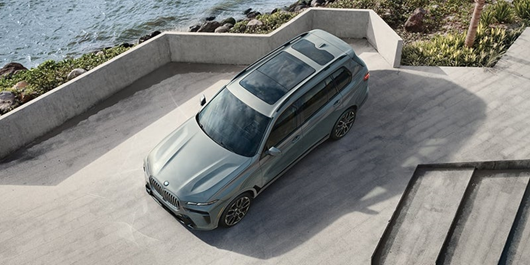
2022 BMW x7

Trim Levels of the 2022 BMW X7

The BMW X7 is a luxury SUV that turns heads. Its sleek, modern design and spacious interior have all the features you'd expect from a high-end SUV. But one of the best things about the X7 is its range of trim levels, each offering something a little different. In this blog post, we'll look at the different trim levels of the 2022 BMW X7. The Different Trim Levels of the 2022 BMW X7 X7 xDrive40i The 2022 X7 xDrive40i is the entry-level trim of the luxury SUV and offers a generous selection of standard features. The xDrive40i comes equipped with a turbocharged 3.0-liter 6-cylinder engine that produces 335 hp and 330 lb-ft of torque. This engine has an 8-speed automatic transmission. The xDrive40i also has a long list of tech features, including an infotainment system with a 10.3-inch touchscreen, Bluetooth connectivity, Apple CarPlay, and Android Auto. Standard safety features include: Forward-collision warning Lane-departure warning Blind-spot monitoring Rear cross-traffic alert A rearview camera The interior of the xDrive40i is comfortable and luxurious with standard Nappa leather upholstery, a panoramic sunroof, three-zone climate control, power front seats, and more. It also comes with a wealth of standard convenience features, such as a power tailgate, a hands-free power liftgate, and adaptive cruise control. X7 M50i The X7 M50i is powered by a 4.4-liter V8 engine, which produces 523 hp and 553 lb-ft of torque. This engine is paired with BMW xDrive all-wheel drive and 8-speed automatic transmission. The M50i has an electronically-controlled suspension system and an Adaptive M Suspension Professional package, which gives you more control over the suspension settings. It also has an M Sport Exhaust System for improved sound and performance. Inside, the X7 M50i offers premium leather upholstery, a panoramic sunroof, four-zone climate control, heated and ventilated front seats, a power tailgate, power side mirrors, navigation, a Harman Kardon surround sound system, and more. This trim level is ideal for those who want a luxury SUV that offers a great blend of performance and comfort. ALPINA XB7 This luxury SUV combines the performance and features of BMW's flagship SUV with the added power and sophistication of ALPINA engineering. The ALPINA XB7 features a twin-turbo 4.4-liter V8 engine that produces 612 horsepower and 590 lb-ft of torque, allowing it to reach a top speed of 173 mph and go from 0-60 mph in just 4.2 seconds. It also has improved suspension and aerodynamics, giving it an edge on any terrain. On the inside, the ALPINA XB7 features premium leather upholstery, ambient interior lighting, a panoramic sunroof, and an upgraded infotainment system with BMW's latest iDrive 7.0 software. All this combined makes the ALPINA XB7 one of the market's most powerful and luxurious SUVs. The BMW X7 offers a great combination of luxury and power to satisfy any car enthusiast. With several trim levels, you'll have no problem finding the suitable X7 model for your lifestyle. Stop by Tom Bush BMW today for all your BMW needs.

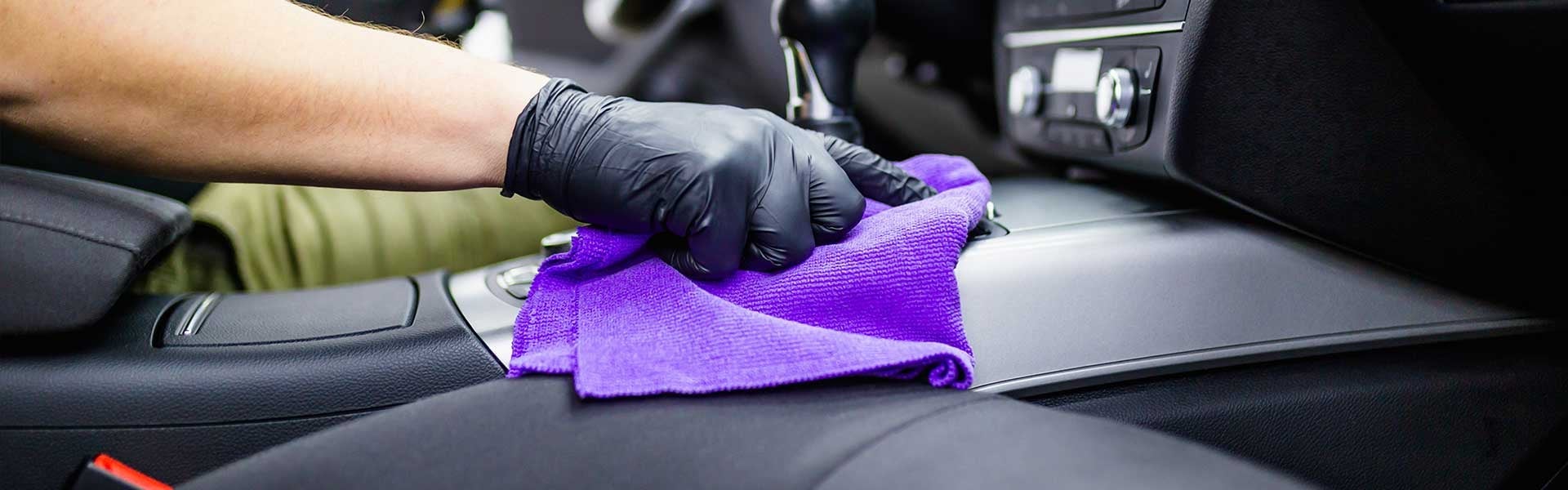
cleaning-hero

How to Find a Quality Collision Repair for Your BMW

Collision repair isn't only about repairing your BMW: it's about returning your car to showroom standard again. As your BMW dealer in Jacksonville, FL, we have the knowledge, technology, and parts to repair any damage to your car. We want to tell you more about how we perform quality repairs for you. How Your BMW Dealer Can Provide a Quality Collision Repair Arrival Your BMW will be driven or towed to our repair center in Jacksonville, FL. If the accident happens within 50 miles of our center, the towing will also be free. Once your car arrives, one of our BMW-trained technicians will make a complete inspection of your car and all visible damage. While our technician is busy, we'll complete the check-in procedure with you. When check-in is complete, we can also provide a free shuttle service or a rental car if you prefer. Disassembly After the inspection, we remove all the damaged sections. This allows us to get a clearer picture of the full extent of the damage. When this stage is complete, we produce a repair plan for your car. Estimate Once we know the full extent of the damage, we produce a written estimate for the cost of repairs, including a time to completion. We send the estimate to you, and we provide any information you need for your decision. If your insurance is handling the repairs, we send them a copy, and we'll liaise with their assessors regarding the repair. Our team is very experienced in working with insurance companies, and we assist them with any information they need to expedite their decision. Once we receive confirmation from you or your insurance company, we move on to the next phase. Repairs We collect all the required parts from our fully-stocked part store. Sections that require painting, like panels or trim, will go to our paint shop. Our state-of-the-art equipment allows us to duplicate the factory-level finish of the paint. This makes any replacement parts indistinguishable from the originals. Other technicians will work on the internal and external repairs. We only use genuine BMW parts for all repairs, as they provide the highest level of safety and durability. We'll keep you informed about the progress as the repairs proceed. Quality Control Once the repairs are complete, your car passes to our quality control team. This final check ensures that all repairs were completed to the standard required for a BMW repair. Your car will then be cleaned and prepared for your arrival. Our repair center has the expertise and equipment for any repair, from a broken windshield to frame straightening. If you'd like to book a repair, call our service department at Tom Bush BMW.

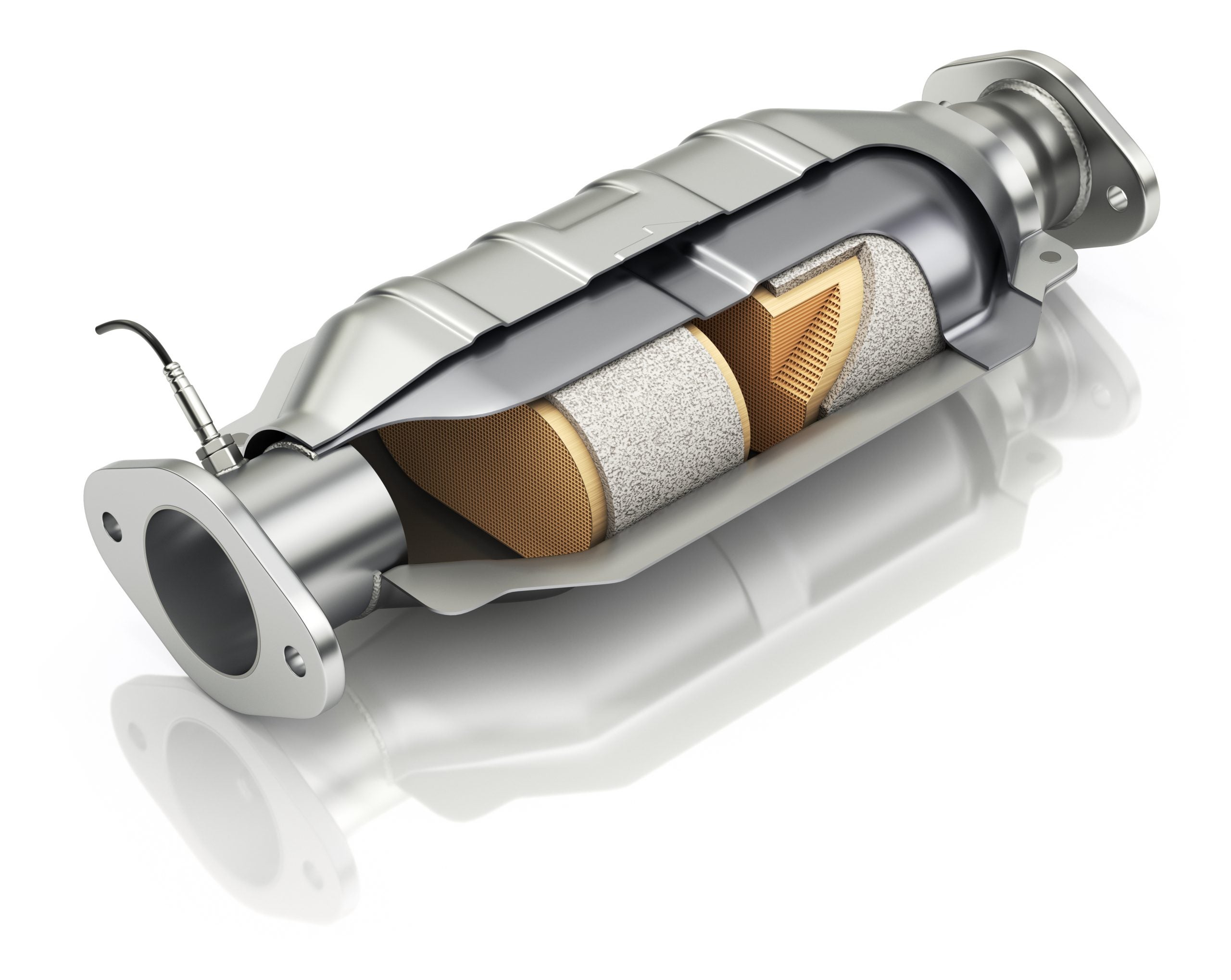
Does Your BMW Need a New

Does Your BMW Need a New Catalytic Converter?

If you've felt like your car has been running sluggishly lately or emitting an unusual odor, it might be time for a new catalytic converter. Check for these common signs that your vehicle needs a new catalytic system, then head to your nearest BMW dealer to get the job done. Your car will thank you! Does Your BMW Need a New Catalytic Converter? Visit Your BMW Dealer Today Sulfur Smell From the Exhaust If you notice a disgusting, rotten egg smell coming from your car's exhaust, it is likely a sign that your exhaust system needs to be replaced. The catalyst converter is an important emissions control device that helps to reduce harmful pollutants in exhaust gases. Over time, the catalyst material can break down, causing a build-up of sulfur compounds. When these compounds are heated, they produce the distinctive rotten egg smell often associated with a failing catalytic system. If you notice this problem, it's essential to have your car inspected by a mechanic promptly. Poor Engine Performance Poor engine performance is one of the most common signs that your catalyst converter needs to be replaced. You can look for a few things to detect poor engine performance, such as a drop in fuel efficiency, increased emissions, and a loss of power. These symptoms are typically caused by a build-up of contaminants in the converter, which prevents it from doing its job correctly. If you detect poor engine performance, take your vehicle to a qualified mechanic for diagnosis and repairs. Rattling Sounds Under the Vehicle Rattling sounds from under your vehicle can signal that you need to replace your catalyst converter. When the catalytic system becomes damaged or clogged over time, it malfunctions, and the exhaust gases escape. These gases can cause the metal in the converter to expand and contract, leading to rattling noises. Therefore, if you hear rattling from under your vehicle, a mechanic must check it out to see if the converter needs to be replaced. Excessive Heat Under the Vehicle The exhaust system is designed to convert exhaust fumes into less harmful gases. However, if it becomes damaged or clogged, it can cause the engine to run less efficiently and produce more heat. In severe cases, the catalyst converter can become so hot that it begins to glow red or even catch fire. If you notice excessive heat coming from under your vehicle, you should have it inspected by a mechanic immediately. If you're in the market for a new catalytic system for your BMW, be sure to stop by Tom Bush BMW Jacksonville. We have a wide selection of parts and accessories, and our team of experts can help you find the perfect fit for your vehicle. Contact us today to schedule an appointment or learn more about our services.

Contact Us

Fill out this form below and we'll contact you shortly
*Required Fields