
Blog / Jacksonville BMW Service

Blog

All Jacksonville BMW Service Jacksonville BMW Dealer Tom Bush BMW Things To Do In Jacksonville Jacksonville Amenities Tom Bush BMW Jacksonville Service Jacksonville Luxury Cars Jacksonville Entertainment Jacksonville Used Cars Tom Bush Family of Dealerships Jacksonville Parks Jacksonville Eateries Jacksonville Restaurants Family Fun in Jacksonville Jacksonville Landmarks Jacksonville Beaches Tom Bush BMW Collision Repair Holidays in Jacksonville Jacksonville Vegetarian Eating Things To Do Near Jacksonville Vegan Foodies BMW Lease Jacksonville Jacksonville Collision Small Town Fun

BMW ServiceMobile Guide for Jacksonville BMW Owners

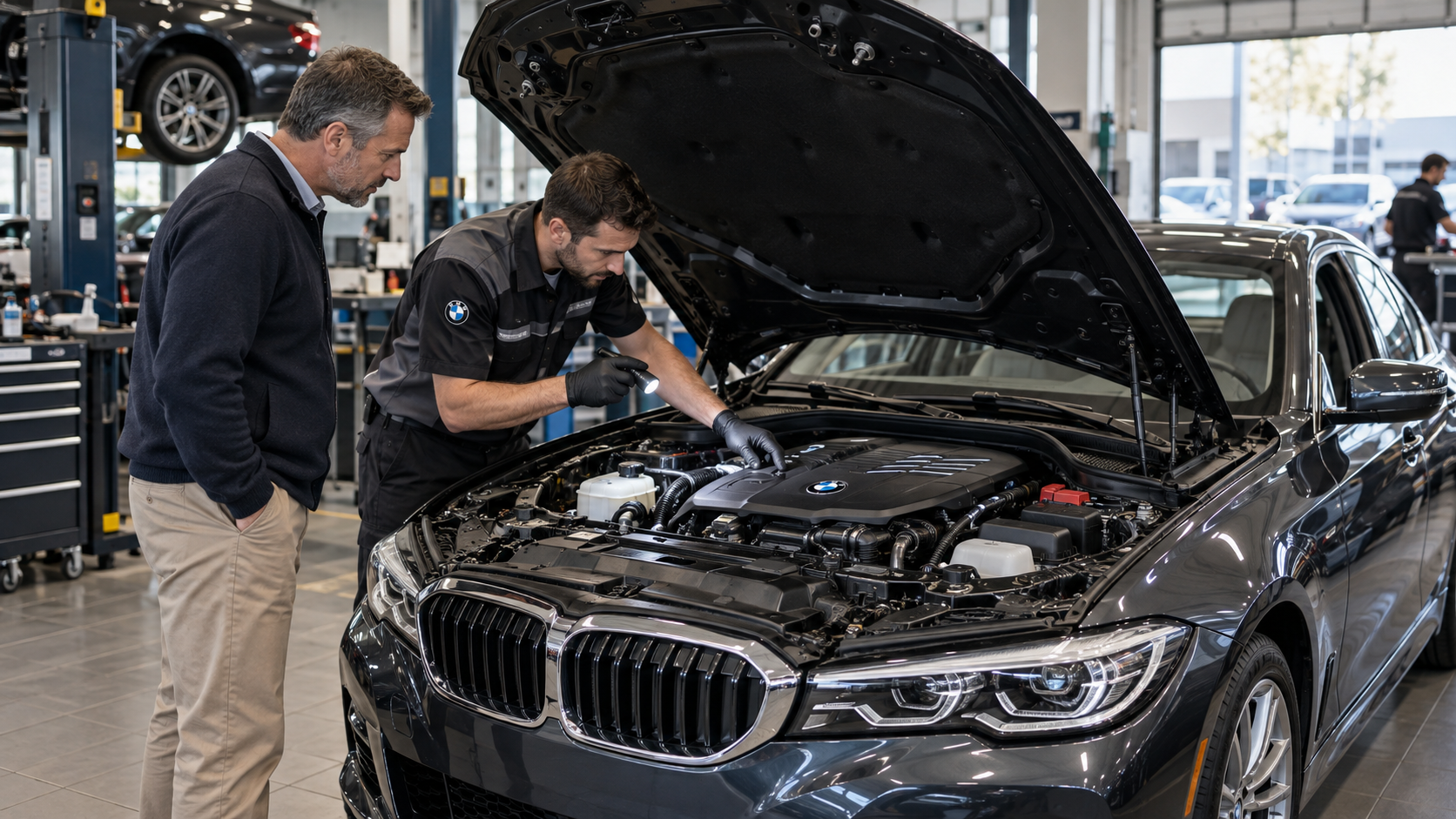
BMW ServiceMobile brings selected maintenance and repair work to an approved home, workplace, or nearby location. Therefore, owners can request certain services without driving to the dealership. Tom Bush BMW Jacksonville reviews the vehicle, requested work, location, and appointment details before confirming a visit. However, mobile care does not replace every dealership appointment. Some repairs need lifts, wheel geometry equipment, controlled testing, or extensive disassembly. For this reason, the service team first checks whether the requested work fits a mobile visit. How BMW ServiceMobile Works How does BMW ServiceMobile work? The program sends a BMW technician to an approved location for selected work. First, the owner submits vehicle details and describes the requested service. Then, Tom Bush BMW reviews the request and confirms whether mobile care fits the job. The review starts with the vehicle identification number, current mileage, warning messages, and service history. In addition, the team checks the requested location and available appointment times. These details show whether the technician can arrive with the proper tools and parts. more Once approved, the technician travels to the confirmed address. Additionally, the vehicle must sit in a safe, accessible space with enough room for the planned work. Furthermore, the owner must provide keys or approved access at the scheduled time. After completion, the technician records the work and shares any next steps. However, a newly discovered repair may require a dealership visit. The technician can explain that need before closing the appointment. Which BMW Services May Qualify Which BMW services can receive mobile care? Selected maintenance, inspections, batteries, software work, recalls, and light repairs may qualify. Tom Bush BMW must confirm each request because every procedure needs different tools, space, and parts. Battery replacement offers a useful example. A modern BMW battery may need registration after installation. Therefore, the technician needs compatible diagnostic equipment and the correct replacement battery. A simple parts swap without registration may leave charging data incorrect. Certain recall repairs may also fit a mobile appointment. However, every recall carries its own repair procedure. The service team must confirm the campaign number, required parts, labor steps, and site needs before dispatch. Software work may qualify when the technician can provide stable power and approved diagnostic access. Still, some faults need longer testing inside the dealership. Warning messages linked to several control units may also need deeper diagnosis. Tom Bush BMW may review requests involving these service areas: Battery testing or replacement may qualify after model and parts confirmation. Selected recall work may qualify after campaign review and parts verification. Certain inspections or light maintenance may fit an approved mobile visit. Limited software work may qualify when the location supports safe completion. This list does not promise mobile access for every BMW or every repair. Therefore, owners should submit the exact service concern before planning around an onsite visit. What Happens From Booking Through Completion A clear appointment request gives the service team the details needed for review. Owners should explain the concern, share dashboard messages, and note recent repair history. Photos may also clarify tire damage, fluid leaks, or visible parts concerns. BMW supports service scheduling through the My BMW App at participating centers. Owners can open the Vehicle tab, select Dealer Services, and choose Schedule Service. However, some BMW Centers redirect owners to a dealership scheduling page. Tom Bush BMW Jacksonville also maintains its ServiceMobile page as the direct local path. Therefore, the blog should send informed owners there after explaining the program. The scheduling page remains the place to request an appointment and confirm local availability. Before the scheduled visit, owners should prepare the location carefully: Park the BMW on firm, level ground with space around the work area. Remove locked gate restrictions and share building access instructions before arrival. Keep the keys available through the agreed handoff method. Move nearby vehicles, equipment, pets, or loose items away from the work area. Share any weather shelter details when rain may interrupt the planned work. Furthermore, the owner should keep a phone nearby during the appointment. The technician may need approval for added work or may find a concern requiring dealership equipment. When ServiceMobile Makes Sense BMW ServiceMobile may suit owners with limited travel time or difficult work schedules. It may also suit those who live farther from Tom Bush BMW Jacksonville. Still, the location must fall within the current service area. A workplace appointment may reduce time away from work. However, the parking area must permit repair activity and technician access. Property managers may require permission before any service begins. Home appointments may fit owners with a driveway or private parking area. By contrast, crowded garages or sloped parking spaces may not support safe work. Apartment parking may also require advance approval from property staff. Mobile care fits best when the requested job has a clear scope. A known recall, battery concern, or selected light service gives the team a defined task. However, complex noises or several warning messages may require dealership diagnosis. The owner should also consider vehicle safety. A BMW with severe tire damage, overheating, heavy fluid loss, or braking trouble may need roadside transport. In that case, call Tom Bush BMW or BMW Roadside Assistance before driving. When Your BMW Needs the Dealership Some BMW repairs require the service center from the beginning. Lifts give technicians access beneath the vehicle. Wheel geometry racks measure tire angles with controlled precision. Shop equipment also supports fluid handling, long diagnostic sessions, and road testing. Major brake work, suspension repairs, transmission concerns, and heavy engine repairs usually need dealership equipment. In addition, water leaks or electrical faults may need extended testing. These jobs can involve trim removal, controlled drying, or several diagnostic steps. A dealership visit also makes sense when several concerns appear together. One warning message may connect with another through shared electrical networks. Therefore, the technician may need full scan data, battery support, and repeated testing. BMW ServiceMobile gives Jacksonville owners another path for selected care. However, Tom Bush BMW must confirm the repair, location, and appointment before dispatch. Review the ServiceMobile page to request local details and start the scheduling process. When mobile care fits, the technician brings approved service to the confirmed location. When shop equipment is necessary, the dealership provides the space and tools. That clear division keeps each appointment matched with the work your BMW needs.

BMW Wiper Blades: When to Replace and Why OEM Fit Matters

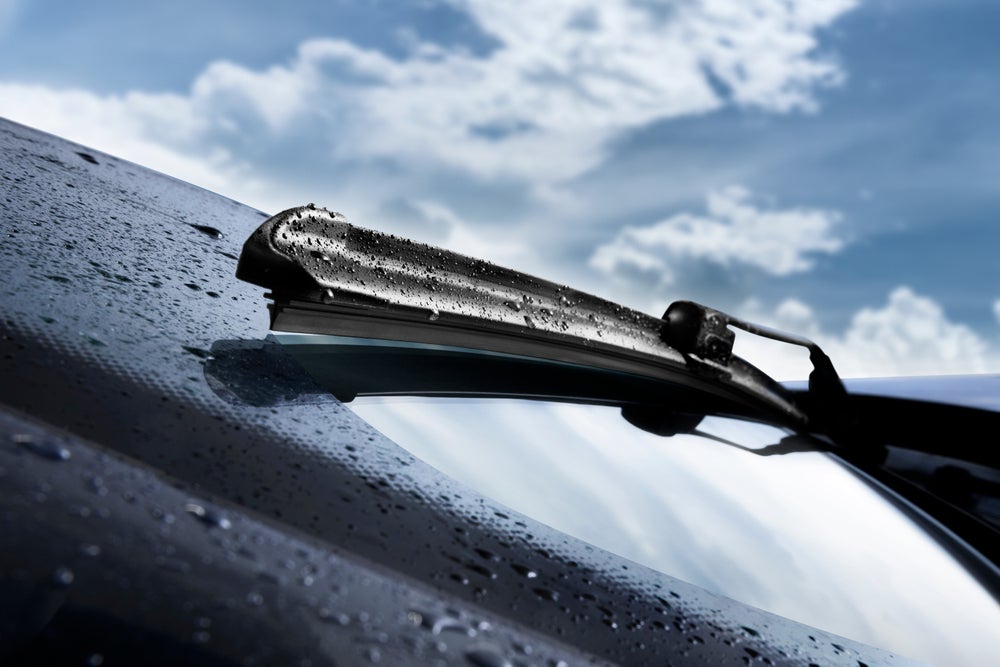
BMW wiper blades rank among the most overlooked maintenance items on the vehicle. They are directly tied to visibility and driver confidence in wet weather. Most drivers wait for a visible failure before scheduling a replacement. By that point, the blade has been leaving partial wipe paths and depositing a film across the glass on every pass. Knowing the signs of a blade past its service window, and understanding why fit and construction matter on a BMW, makes replacement timing a clear decision. Signs BMW Wiper Blades Need Replacing Wiper blade rubber does not fail all at once. The compound hardens gradually through UV contact, temperature cycling, and interaction with windshield washer fluid chemistry. That hardening is the mechanism behind the most common replacement signs. A blade that looks physically intact may already be too rigid to make consistent contact across the glass. Streaking is the earliest and most reliable indicator. When rubber loses its pliability, it cannot conform to slight surface irregularities on the glass. The result is a series of streaks left behind after each wipe cycle, not a clean dry path. Skipping follows a similar pattern. A hardened blade bounces across the glass. The motion creates a chattering sound and leaves alternating wet and dry bands across the windshield. Smearing is a later-stage sign. When the blade begins to break down at the edges, it pushes water across the glass. A smear pattern that persists through multiple passes indicates the wipe edge has deteriorated and replacement is overdue. The following signs indicate BMW wiper blades have reached the end of their service window: more Streaking across the windshield after each wipe pass, even with fresh washer fluid. Skipping or chattering sound during the wipe cycle, indicating rubber stiffness. Smearing that does not clear after several passes, indicating edge deterioration. Visible cracking, splitting, or separation along the rubber wipe edge. Lifting at highway speed, where the blade loses contact with the glass above 60 mph. How BMW Windshield Curvature Changes Blade Requirements BMW windshields are not flat. The glass curves both laterally and vertically to match the vehicle's aerodynamic profile. That curvature creates a fit challenge that conventional framed wiper blades cannot fully address. A framed blade uses a rigid metal or plastic superstructure with a series of fixed pressure points along its length. On a curved windshield, those fixed pressure points leave gaps between contact zones. Uneven wiping and the streaking drivers notice in heavy rain follow from that gap. Beam blades address this through a spoiler-integrated spring steel frame with no external structure. The tension across the blade length allows it to flex and follow the windshield's curve continuously. Pressure is distributed evenly from tip to tip. On a BMW windshield, that continuous contact produces a clean wipe path across the full arc of each blade's travel. The low-profile beam design also reduces lift at higher speeds. A conventional framed blade acts as a sail above 60 mph. It reduces contact pressure and allows wind to pull the blade away from the glass. The beam profile minimizes that effect, keeping the blade seated against the windshield during highway driving. OEM vs Aftermarket BMW Wiper Blades The question that comes up most is whether OEM wiper blades are worth it or whether an aftermarket option at a lower price will produce the same result on a BMW. The answer connects to two factors: rubber compound specification and blade curvature matching. BMW OEM blades are manufactured to the curvature specification of each model's windshield. The arc built into the blade at rest matches the glass it contacts. An aftermarket blade built to a universal profile may not match that arc, leaving pressure inconsistencies across the wipe path. Those inconsistencies produce the same streaking and skipping patterns that worn blades create, even when the aftermarket blade is new. Rubber compound specification is the second factor. BMW OEM blades use a natural rubber compound treated to remain pliable across the temperature range the vehicle operates in. Some aftermarket blades use synthetic compounds that harden faster in cold climates or lose consistency in high heat. The following factors separate OEM BMW wiper blades from generic aftermarket options: Windshield arc matching: OEM blades are curved to the exact profile of the BMW model's glass, not a universal approximation. Rubber compound grade: OEM formulations retain pliability across a wider temperature range, extending wipe quality throughout the blade's service life. Attachment precision: OEM blades are built to BMW's specific attachment hardware dimensions, eliminating the adapter incompatibility common with universal blades. Aerodynamic integration: OEM beam blades are profiled to the vehicle's speed range, reducing lift without requiring aftermarket spoiler additions. How BMW Wiper Blade Attachment Hardware Works BMW uses attachment hardware that differs from the standard J-hook found on most non-European vehicles. Depending on the model and production year, the attachment may be a pinch-tab connection, a side-pin connection, or a top-lock connection. Each links the blade to the wiper arm differently. Each also requires a blade built to that specific interface. A universal aftermarket blade packaged with adapters may appear to solve the compatibility issue. In practice, adapter connections add play between the blade and the arm. That play allows the blade to shift laterally during the wipe cycle, reducing contact consistency. On a BMW, the wiper arm applies load at a specific angle matched to the windshield curvature. An offset blade connection changes the pressure geometry of the whole setup. OEM blades connect directly to BMW's attachment hardware without adapters. The connection is rigid, the blade seats at the correct angle, and the load is applied as the arm was built to deliver it. When drivers replace blades at a dealership service center, the service team selects the correct blade for the model and attachment type. No compatibility chart is required. When to Schedule BMW Wiper Blade Service Most BMW wiper blades reach the end of their service window between 12 and 18 months, though that range shifts based on climate and use. Drivers in climates with extended summer heat or heavy winter road salt contact will see degradation closer to the 12-month mark. Drivers in moderate climates with lighter seasonal variation may reach 18 months before noticeable wipe quality decline. The CBS system does not monitor wiper blade condition directly. Blade replacement is a calendar and condition-based decision, not a system-triggered alert. A sound approach is to inspect the blades at each oil service visit. Assessing wipe quality at the first sign of seasonal rain after a dry summer period is also useful. That window, where blades have gone through a full heat cycle and are asked to clear water again, is when early degradation becomes visible. Tom Bush BMW's service team includes a visual inspection of wiper blades as part of the multi-point check completed during oil service appointments. Drivers who are unsure of blade condition can request a wipe quality check during that visit. Installing blades at the service center ensures the correct OEM blade is matched to the specific model's windshield profile and attachment hardware. No adapter concerns, no guesswork on sizing.

OEM vs Aftermarket BMW Brake Pads Explained

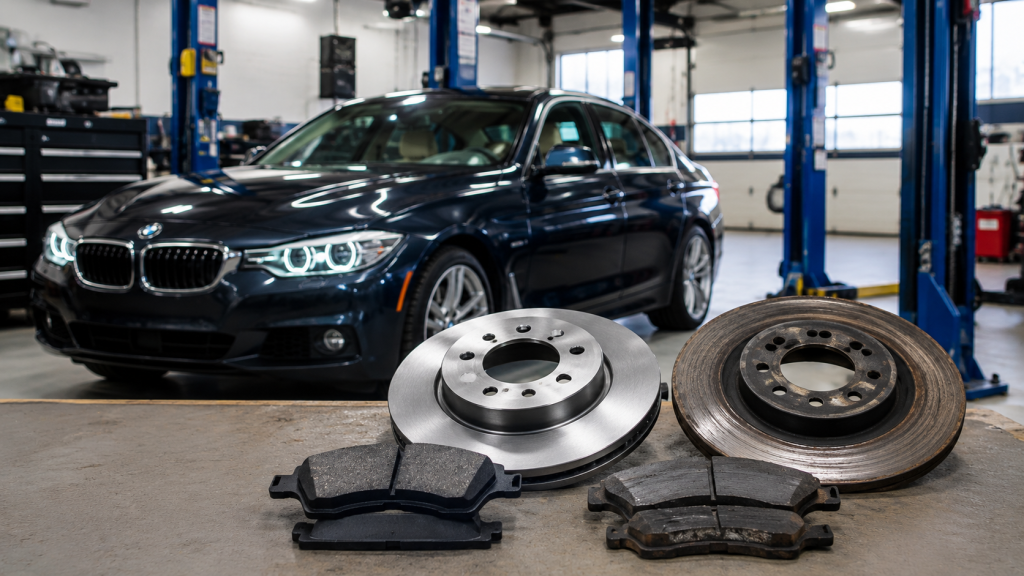
BMW brake pads are engineered around specific braking characteristics, rotor materials, and heat management targets that directly shape braking feel and long term wear patterns. That calibration process is one reason BMW braking systems feel different from many other vehicles on the road. When drivers replace worn pads, the decision between OEM and aftermarket options changes more than replacement cost alone. Brake dust levels, rotor wear progression, braking consistency, pedal response, and heat management can all shift depending on the friction material installed. Understanding how those components interact helps Jacksonville drivers evaluate brake replacement choices with greater clarity before scheduling service. How OEM BMW Brake Pads Are Tuned Around Factory Braking Calibration OEM BMW brake pads are developed alongside the braking system itself. BMW engineers calibrate pad compounds, rotor materials, brake booster response, ABS programming, and stability control behavior together as a matched system. The brake pad is not treated as an isolated replacement component. It functions as one layer inside a larger braking calibration strategy. Brake pad compounds rely on friction material formulas that determine how aggressively the pads grip the rotor surface during braking. That friction coefficient changes pedal feel, stopping smoothness, braking modulation, and thermal stability. BMW tunes those characteristics around expected driving dynamics for each vehicle platform. A BMW 330i sedan and BMW X5 SUV do not use braking systems with identical operating demands. Vehicle weight, wheel size, brake rotor diameter, suspension geometry, and weight transfer all alter braking load distribution during deceleration. OEM brake compounds are selected to match those platform specific requirements. OEM BMW brake pads are engineered around: more • Rotor metallurgy • Brake heat distribution • ABS calibration • Stability control response • Vehicle curb weight • Expected braking temperature range This integration helps explain why some drivers notice immediate differences after installing aftermarket pads. The replacement material may operate with a different friction profile than the factory calibration originally designed around. Why Aftermarket Brake Pads Produce Different Dust, Noise, and Pedal Feel Aftermarket brake pads vary dramatically in friction material composition. Some prioritize lower brake dust. Others target aggressive stopping response or higher temperature tolerance. Those differences directly alter how the braking system behaves during daily driving. BMW factory brake pads are known for producing noticeable brake dust. That dust forms because softer friction compounds generate strong cold braking response and smooth braking modulation. The tradeoff is increased material transfer between the brake pad and rotor surface. Many aftermarket ceramic brake pads reduce visible dust substantially. Ceramic compounds operate differently than softer semi metallic formulations and usually create cleaner wheel surfaces during normal driving. The reduction in dust, however, can alter braking feel during colder temperature operation or early brake application. Drivers sometimes notice: • Firmer pedal response • Reduced initial bite • Different stopping smoothness • Increased brake noise • Sharper rotor contact feel • Longer cold braking engagement That does not automatically mean the aftermarket brake pad is defective. It means the braking characteristics have shifted away from the original BMW calibration profile. Brake noise differences also stem from compound variation. Pad hardness, vibration dampening layers, rotor condition, and thermal cycling all shape how sound transfers through the braking system. A quieter brake pad compound in one BMW platform may produce more vibration or squeal in another depending on rotor wear and operating temperature. Florida Heat Changes Brake Pad Operating Demands Jacksonville traffic patterns and Florida heat exposure create additional thermal stress across BMW braking systems. Brake pads operate by converting vehicle motion into heat through friction. As temperatures rise during repeated braking cycles, the friction compound must remain stable enough to maintain consistent braking response. SUV platforms like the BMW X5 and BMW X7 place even greater thermal demand on brake materials because larger vehicle mass generates higher braking load during deceleration. Stop and go traffic further compounds heat buildup because airflow across the braking system decreases during slower movement. Brake compounds respond differently as temperature rises. Softer compounds may maintain smooth braking feel but wear more rapidly under prolonged heat exposure. Some aftermarket ceramic compounds tolerate elevated temperatures well but can produce harder cold braking characteristics during initial application. Florida driving exposure increases attention toward: • Heat resistance stability • Rotor cooling efficiency • Traffic braking frequency • Brake fade resistance • Thermal expansion management • Pad material consistency This becomes important because brake pads that perform well during cooler climates may behave differently during extended high heat driving cycles common across Florida roadways. Rotor Compatibility Matters During Brake Pad Replacement Brake rotors and brake pads wear together as matched friction surfaces. When brake compounds change substantially, rotor wear patterns can change as well. That interaction is one reason BMW brake service recommendations frequently include rotor inspection during pad replacement. OEM BMW brake pads are engineered around specific rotor hardness and thermal expansion characteristics. Some aftermarket compounds generate more aggressive rotor contact, while others operate with smoother friction transfer. Improper compound pairing can accelerate scoring, vibration, or uneven rotor wear over time. Rotor surface condition also shapes braking consistency. Uneven heat transfer across worn rotors can create steering wheel vibration, pulsation during braking, or inconsistent pedal feel. Installing fresh brake pads against heavily worn rotors may leave the new pads unable to seat evenly across the rotor face. Several rotor related concerns should be evaluated during BMW brake service: • Rotor thickness variation • Surface scoring • Heat spotting • Pad transfer buildup • Rotor cooling vane condition • Uneven wear patterns Brake pad replacement decisions work best when the entire braking system is evaluated together rather than focusing only on friction material cost alone. What Jacksonville BMW Drivers Should Evaluate Before Choosing Brake Pads The strongest brake pad choice depends on how the vehicle is driven, how much braking heat it experiences, and what braking characteristics the driver prioritizes most. Some Jacksonville drivers prioritize low dust operation for easier wheel maintenance. Others prioritize preserving original BMW braking feel and factory calibrated pedal response. Drivers comparing OEM and aftermarket BMW brake pads should evaluate: • Braking consistency during traffic driving • Dust production expectations • Rotor wear compatibility • Brake noise sensitivity • Heat exposure patterns • Vehicle weight and braking load • Cold braking response • Long term maintenance planning OEM BMW brake pads remain closely tied to the original braking calibration engineered for the vehicle platform. Aftermarket compounds can alter braking feel, wear progression, and thermal response depending on the material selected. Understanding how those variables interact helps drivers evaluate brake replacement choices with greater confidence before scheduling BMW brake service.

BMW Brake Wear Sensors Explained and Service Timing

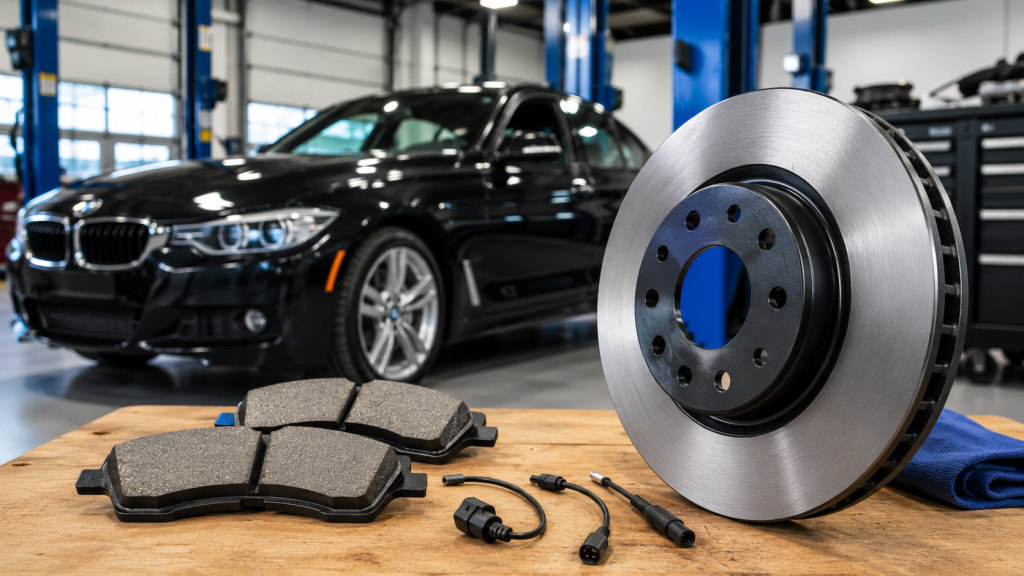
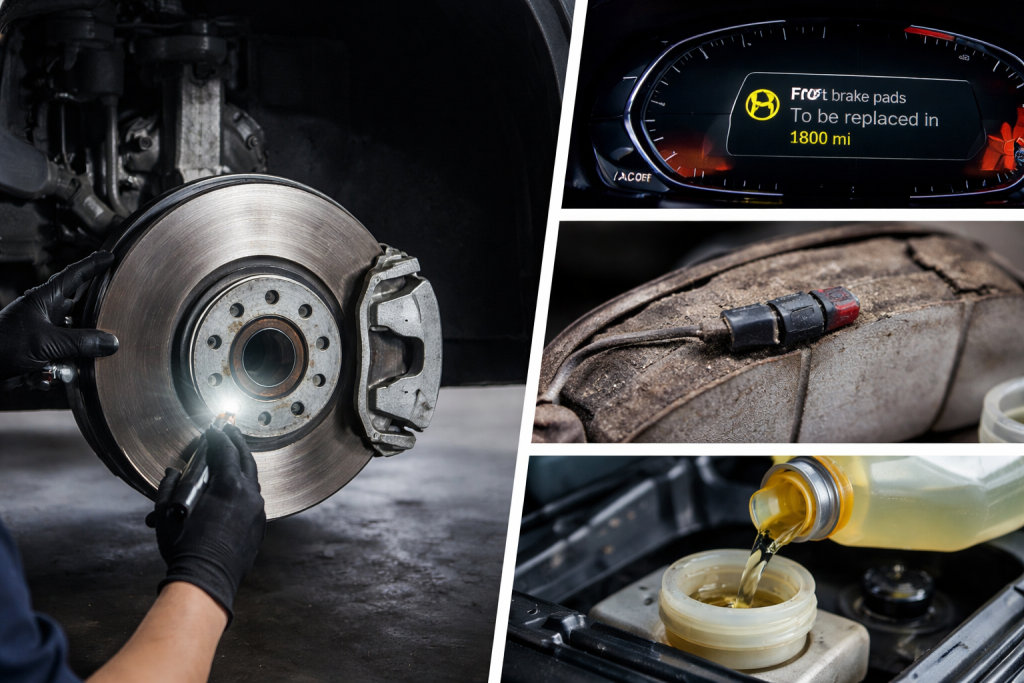
A BMW brake wear sensor monitors brake pad thickness electronically and helps determine when brake service should be scheduled before braking performance begins to decline. Modern BMW brake systems do far more than rely on visual inspection intervals alone. Electronic monitoring, brake force distribution, rotor heat management, and predictive service calculations all work together to track braking wear across different driving patterns. That is why two BMW vehicles with similar mileage can reach brake service timing at completely different intervals. Understanding how BMW brake wear sensors operate helps owners interpret warning lights more accurately and evaluate brake service timing with greater confidence. How BMW Brake Wear Sensors Trigger Service Warnings A BMW brake wear sensor is a physical electronic sensor mounted directly into the brake pad material. As the brake pad gradually wears down, the sensor moves closer to the rotor surface. Once the pad reaches a calibrated wear threshold, the rotor contacts the sensor and breaks the electrical circuit inside it. That interruption signals the BMW monitoring system to activate a brake service warning through the dashboard and iDrive service system. This process explains why BMW brake warnings can sometimes appear suddenly. The sensor does not slowly dim or gradually activate over weeks. Once the circuit breaks, the system recognizes that the brake pad has crossed the designed wear threshold. BMW uses this setup because brake pads do not always wear evenly across all driving situations. Urban traffic, repeated stop and go driving, downhill braking, and aggressive braking force generate very different heat and friction levels than steady highway travel. Electronic monitoring allows the system to track wear more precisely than mileage alone. Important brake sensor characteristics include: more • Sensors physically contact the rotor at wear threshold • Front and rear brake systems use separate monitoring logic • Sensor activation triggers dashboard service notifications • Most BMW sensors require replacement during brake service • iDrive service calculations adjust based on wear progression A brake warning does not automatically indicate immediate brake failure. In most situations, the warning indicates that the pad material has reached a planned service threshold designed to preserve braking stability and rotor condition before severe wear develops. Why BMW Brake Service Timing Varies Between Vehicles BMW brake service intervals vary because braking load changes dramatically based on vehicle weight, traffic exposure, driving speed, and braking frequency. A BMW X5 driven daily through dense urban traffic will place far more thermal stress on the brake system than a BMW 530i driven primarily on open highways. Every braking event converts vehicle motion into heat through friction between the brake pads and rotors. Heavier vehicles generate larger braking loads because more mass must be slowed during deceleration. SUVs therefore place different stress levels on brake materials than lighter sedan platforms. Driving style also changes brake wear timing substantially. Smooth braking distributes heat more gradually across the rotor surface. Aggressive braking creates sharper heat spikes that accelerate friction material breakdown and rotor surface wear. Several variables shape BMW brake service timing: • Vehicle curb weight • Wheel and tire size • Traffic density • Driving speed distribution • Brake force frequency • Rotor heat cycling • Pad compound composition This explains why identical BMW models can still produce different brake service intervals. The electronic monitoring system tracks actual wear progression instead of relying entirely on fixed mileage estimates. Why Rear Brakes Sometimes Wear Faster on BMW Models Many drivers assume front brakes always wear faster because front axle braking handles most stopping force during deceleration. While the front brakes still manage the majority of braking load, modern BMW stability systems now distribute braking force more dynamically across all four wheels. Electronic stability control, traction management, brake vectoring, and adaptive braking calculations can increase rear brake usage during cornering correction, slippery surface stabilization, and vehicle balance adjustments. This added rear axle engagement changes wear distribution patterns compared to older braking systems. BMW sedans and SUVs also manage brake bias differently based on vehicle configuration. A BMW 5 Series maintains different weight transfer characteristics than a taller SUV platform like the BMW X3 or BMW X5. That difference changes how braking pressure distributes during deceleration. Rear brake wear can accelerate due to: • Electronic stability correction activity • Urban traffic braking frequency • Hill descent braking assistance • Adaptive cruise braking inputs • Weight transfer management • Stop and go commuting exposure This is why rear brake warnings appearing first on some BMW vehicles does not automatically indicate a malfunction. The wear pattern may simply reflect how the braking system distributes load across the vehicle during normal operation. Rotor Wear and Heat Cycles Change Brake Replacement Timing Brake pads are only one part of the BMW brake service equation. Rotors also absorb massive thermal stress during braking. Every stop creates friction heat that expands and contracts the rotor surface repeatedly over time. Those repeated heat cycles gradually wear down rotor thickness and can alter rotor surface smoothness. Rotor condition directly impacts braking consistency because uneven rotor surfaces reduce how evenly the brake pads contact the rotor face. Scoring, heat spotting, and thickness variation can create vibration, noise, or unstable braking feel during deceleration. BMW brake systems are engineered with specific pad and rotor material pairings. Once brake pads wear close to their service threshold, the rotor may already contain enough thermal wear to justify replacement during the same service visit. Several factors accelerate rotor wear: • Repeated high heat braking • Heavy vehicle mass • Aggressive deceleration • Mountain driving exposure • Uneven pad wear • Delayed brake service timing Rotor replacement recommendations are not simply upsell driven maintenance suggestions. In many situations, the rotor thickness or surface condition no longer supports proper braking stability with a fresh pad set installed against it. What Owners Should Evaluate When a BMW Brake Warning Appears A BMW brake warning should trigger an inspection decision, not immediate panic or complete dismissal. The warning exists to identify that the brake pad material has crossed a monitored wear threshold and that the braking system should be evaluated before rotor wear or braking consistency begins to decline further. Drivers should first consider how the vehicle has been used leading up to the warning. Heavy traffic exposure, steep terrain, repeated short trip driving, and aggressive braking patterns all accelerate wear progression. Owners evaluating BMW brake service timing should review: • Brake pad thickness remaining • Rotor surface condition • Brake vibration during stopping • Noise during braking • Brake fluid service history • Front versus rear wear distribution • Driving pattern exposure BMW brake wear sensors exist to provide earlier visibility into braking wear progression before braking quality deteriorates substantially. Understanding how those sensors function helps owners evaluate service timing more accurately and interpret brake warnings with greater clarity.

How BMW Condition Based Service Predicts Maintenance Needs

BMW Condition Based Service is designed to replace fixed maintenance schedules with a system that adapts to how the vehicle is actually driven. Instead of relying on a set mileage interval, BMW uses real-time data from the vehicle to determine when service is required. This approach is built around monitoring system performance, component wear, and operating conditions to predict maintenance needs before issues develop. For BMW owners, this means service timing is not static. It is calculated based on how the vehicle operates day to day, which creates a more precise and responsive maintenance strategy. What is BMW Condition Based Service BMW Condition Based Service is a predictive maintenance system that uses vehicle data to determine when specific services should be performed. Rather than following a fixed schedule, the system evaluates how components are performing and calculates remaining service life. At a system level, BMW integrates multiple control modules and sensors to monitor key areas such as engine operation, braking performance, and fluid condition. These inputs are processed through onboard algorithms that estimate how quickly components are wearing under current driving conditions. The system then communicates this information through the BMW iDrive interface, displaying service intervals for: more Engine oil Brake pads Vehicle inspections Additional maintenance items depending on the model This approach allows the vehicle to adjust service timing dynamically. A BMW driven primarily on highways may extend service intervals, while a vehicle used in stop and go traffic may require more frequent attention. The result is a maintenance system that aligns service needs with actual usage rather than assumptions. How does BMW know when service is needed BMW determines when service is needed by combining sensor data with predictive algorithms that model component wear over time. Each monitored system contributes specific data points that help calculate remaining service life. For example, engine oil condition is not measured by a single sensor. Instead, the system evaluates: Engine temperature cycles Engine load and RPM patterns Driving duration and frequency Cold start frequency These inputs allow the system to estimate how quickly the oil is degrading rather than relying on mileage alone. Brake wear is monitored through physical sensors embedded in the brake pads. As the pads wear down, the sensor provides feedback on remaining thickness. This allows the system to predict when replacement will be required before performance is affected. Other systems contribute additional data, including: Fuel consumption patterns Environmental conditions Driving intensity By combining these inputs, BMW creates a predictive model of component wear. This is why service intervals can vary significantly between drivers. The system is not guessing. It is continuously recalculating based on real operating conditions. How driving behavior changes service timing Driving behavior directly influences how quickly components wear, which is why BMW Condition Based Service adjusts intervals based on how the vehicle is used. The system is designed to recognize patterns that increase or decrease stress on key components. For example: Frequent short trips increase engine wear due to repeated cold starts Aggressive acceleration raises engine load and fuel demand Heavy braking accelerates brake pad wear Consistent highway driving reduces strain on multiple systems These factors change how quickly maintenance is required. A BMW used for long, steady highway drives may experience slower oil degradation and brake wear. In contrast, a vehicle used in urban traffic with frequent stops and starts will reach service thresholds sooner. This adaptability is what allows CBS to provide more accurate service timing. It ensures maintenance is performed when needed, not simply when a preset mileage is reached. For drivers, this explains why two identical BMW models can display different service intervals. The system is reflecting actual usage, not a standardized schedule. What BMW service intervals mean for ownership BMW service intervals under Condition Based Service represent calculated maintenance timing based on real vehicle conditions. This changes how owners should think about maintenance. Instead of asking how many miles between services, the focus shifts to understanding system feedback. The vehicle is continuously evaluating itself and providing guidance based on data. This has several practical implications: Maintenance is performed only when necessary, reducing unnecessary service visits Components are serviced before failure, improving reliability Long-term ownership costs can be managed more effectively For BMW owners, the key is trusting the system while remaining aware of how driving habits influence results. The CBS system is designed to balance performance, efficiency, and durability by aligning maintenance with actual vehicle use. When understood correctly, it becomes a tool for maintaining vehicle health rather than a source of confusion. It translates complex system data into clear service recommendations that support both short-term performance and long-term reliability.

Understanding BMW Diagnostic Test Pricing and What It Covers

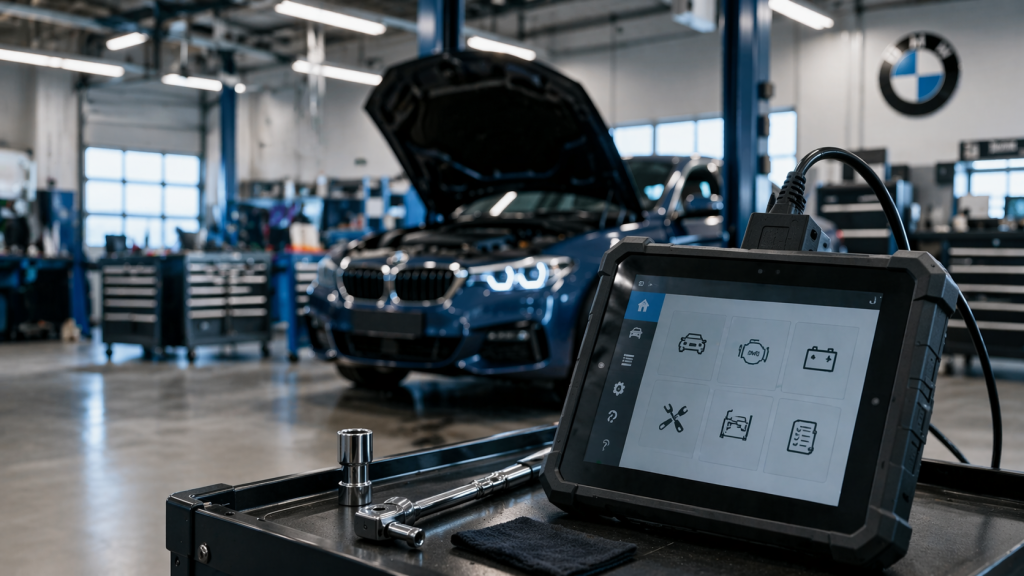
When a warning light appears on your BMW, most drivers immediately want a quick answer. What is wrong, how serious is it, and how much will it cost to fix. A BMW diagnostic test is the starting point for answering all three. It is not just a quick scan. It is a structured process that evaluates how multiple vehicle systems are communicating, where faults originate, and what actions are required to resolve them. Understanding what you are paying for during a diagnostic test requires looking at how BMW systems work, how faults are identified, and why dealership-level diagnostics provide a different level of insight than basic scan tools. What does a BMW diagnostic test actually check A BMW diagnostic test evaluates how the vehicle’s control systems communicate, identify faults, and determine the root cause of a problem. Modern BMW vehicles rely on dozens of electronic control units, each responsible for a specific system such as the engine, transmission, braking, or driver assistance features. These modules are constantly exchanging data across the vehicle network. When something operates outside of expected parameters, the system logs a fault code. However, that code is not the problem itself. It is a signal that something within the system is behaving incorrectly. A BMW diagnostic process goes beyond retrieving that signal. It involves analyzing how different systems interact to identify why the fault occurred. For example, a check engine light on a BMW could be triggered by multiple underlying issues: more A failing sensor providing inaccurate data An air or fuel imbalance affecting combustion A communication fault between control modules A mechanical issue that is influencing electronic readings Using BMW-specific diagnostic software such as ISTA, technicians can: Access all vehicle control modules, not just engine codes Run guided test plans based on BMW engineering logic Monitor live system data to observe real-time behavior Perform system calibrations and resets when needed This level of analysis transforms diagnostics from a simple scan into a structured evaluation of how the vehicle is functioning as a complete system. For a BMW owner, this means the diagnostic test is not just identifying a warning. It is isolating the exact cause so repairs are accurate and targeted. Why does a BMW diagnostic test cost more than a basic scan A BMW diagnostic test costs more than a basic scan because it involves specialized tools, trained expertise, and a deeper level of system analysis. A generic OBD scanner can read basic fault codes, but it cannot interpret manufacturer-specific data or evaluate how multiple systems interact. The difference comes down to capability. Basic scan tools: Read limited engine-related codes Provide generic fault descriptions Do not access all BMW control modules Cannot run manufacturer-guided diagnostics BMW dealership diagnostics: Use factory-level ISTA software Access every control module in the vehicle Run guided troubleshooting workflows Interpret data based on BMW engineering standards The cost of diagnostics reflects more than the time it takes to connect a tool. It includes: Investment in BMW-specific diagnostic systems Technician training to interpret complex system data Time spent isolating root causes rather than symptoms This distinction matters because a basic scan may point to a component, while a full diagnostic identifies why that component failed. For a BMW owner, this reduces the risk of replacing parts unnecessarily and ensures repairs address the actual issue. What is included in a BMW dealership diagnostic service A BMW dealership diagnostic service includes a structured evaluation process designed to identify faults accurately and connect them to a repair strategy. When a vehicle arrives with a warning light or performance issue, the diagnostic process follows a defined workflow. The process typically includes: Initial system scan across all BMW control modules Review of stored and active fault codes Guided diagnostic testing using BMW ISTA software Live data monitoring to observe system performance Physical inspection of related components when needed Each step builds on the previous one. A fault code alone does not determine the repair. It provides a starting point for deeper investigation. For example, if a BMW reports a misfire condition, the diagnostic process may involve: Reviewing ignition system performance data Checking fuel delivery consistency Evaluating air intake readings Inspecting mechanical compression if required This layered approach ensures the technician is not making assumptions. Instead, they are validating each potential cause using real vehicle data. From a customer perspective, this means the diagnostic fee covers: Access to manufacturer-level tools Technician time spent testing and verifying A clear direction for necessary repairs It is not simply a charge to “look at the car.” It is the process that ensures any repair recommendation is based on confirmed data. How BMW diagnostics influence repairs and costs A BMW diagnostic test directly influences both the accuracy of repairs and the total cost of ownership. Without proper diagnostics, repairs often rely on guesswork, which can lead to unnecessary part replacements and repeat visits. A diagnostic test reduces that risk by identifying the root cause before any repair begins. For example, a warning related to an oxygen sensor could result from: A failing sensor An exhaust leak affecting readings An engine performance issue causing incorrect data Replacing the sensor without confirming the cause may not resolve the issue. A proper diagnostic process ensures the repair targets the actual source of the problem. This has two key implications for BMW owners: Repairs are more accurate, reducing repeat issues Long-term costs are controlled by avoiding unnecessary part replacements Diagnostics also play a role in maintaining system performance. BMW vehicles are engineered with interconnected systems, meaning one fault can affect multiple areas of the vehicle. Identifying and resolving issues early prevents additional components from being impacted. In practical terms, the diagnostic test is what turns a warning light into a clear action plan. It defines what needs to be repaired, why it failed, and how to restore the vehicle to proper operating condition.

What BMW Owners Should Know About Brake Service Intervals

BMW vehicles are engineered with advanced braking systems designed to deliver consistent stopping power and predictable pedal feel across a wide range of driving conditions. For many owners, one of the most common maintenance questions is when brake service will actually be required. Unlike older maintenance schedules that relied on fixed mileage intervals, BMW vehicles use a monitoring system that evaluates braking components and predicts service timing based on real driving conditions. This approach allows BMW brake service intervals to adapt to how the vehicle is used rather than following a universal replacement schedule. Understanding how BMW determines brake service timing, how brake wear sensors work, and why different brake components are monitored separately can help owners interpret service reminders and plan maintenance more effectively. How BMW Determines Brake Service Timing Many BMW owners ask whether brake pads follow a fixed replacement schedule. BMW vehicles instead rely on a maintenance monitoring system called BMW Condition Based Service. BMW Condition Based Service is a vehicle maintenance system that uses sensors, elapsed time, mileage, and driving conditions to forecast when service items such as brake pads or brake fluid will need attention. The system continuously analyzes vehicle operation to estimate remaining service life for several components. Rather than assigning one universal interval for brake service, the system evaluates how frequently and how aggressively the brakes are used. Several factors can influence BMW brake service timing: more • city driving with frequent braking • highway driving with longer steady speeds • vehicle weight and passenger load • driving style and braking intensity • road conditions and traffic patterns Because braking demands vary significantly between drivers, BMW Condition Based Service allows the vehicle to estimate service timing more accurately than a fixed schedule. What BMW Brake Wear Sensors Are Monitoring Another question BMW drivers often ask is how the vehicle knows when brake service is required. BMW vehicles use brake wear sensors to help monitor the condition of the brake pads. BMW brake wear sensors are electronic components installed in the brake pad assembly that detect when pad material has worn close to its service limit. When the pad thickness approaches a predetermined threshold, the sensor triggers a service message within the vehicle’s maintenance display. This warning gives drivers advance notice that brake service will soon be required. The system helps prevent situations where brake pads wear down too far and begin damaging the brake rotor. The brake monitoring system works together with the BMW Condition Based Service system to estimate the remaining lifespan of the brake components. Drivers typically see this information in the vehicle’s maintenance status screen, which displays the estimated distance remaining before brake service is needed. Why Front and Rear Brake Service Intervals Can Differ Many owners are surprised when their BMW indicates that front and rear brake pads require service at different times. This difference occurs because braking forces are not distributed evenly between the front and rear wheels. During most braking events, a vehicle’s weight shifts forward. This weight transfer places a greater load on the front brakes, which means the front brake pads often experience more wear than the rear pads. BMW vehicles monitor front brake pads and rear brake pads as separate service items. This allows the maintenance system to recommend service for each axle based on its actual wear rather than assuming all four brakes wear evenly. For drivers, this means it is normal for brake service timing to vary between the front and rear braking systems. In many cases, front brake pads may require replacement earlier than the rear pads because they handle a greater share of braking force. Why Brake Fluid Service Is Tracked Separately Brake service reminders sometimes include brake fluid replacement even when brake pads still have remaining life. This can be confusing for owners who associate brake service only with pad wear. Brake fluid plays a different role within the braking system. Hydraulic brake fluid transfers force from the brake pedal to the brake calipers, allowing the vehicle to apply braking pressure to the wheels. Over time, brake fluid gradually absorbs moisture from the surrounding air. This moisture contamination can reduce the fluid’s boiling point and affect braking performance during heavy braking conditions. Because fluid degradation occurs gradually with time rather than mileage alone, BMW tracks brake fluid replacement using a time based service interval instead of a wear measurement. Even vehicles that are driven relatively few miles may still require brake fluid service after a certain period of time. Separating brake pad wear from brake fluid service allows BMW’s maintenance system to ensure that both mechanical wear and fluid condition are addressed at the appropriate intervals. Understanding BMW Brake Warning Messages BMW drivers may encounter several types of alerts related to brake service. These alerts are designed to provide early notification that maintenance will soon be required. Service messages typically appear within the vehicle’s maintenance display and may include an estimated number of miles remaining before brake pad replacement is recommended. These messages allow drivers to plan service before the braking components reach their wear limits. In some cases, drivers may not see detailed brake pad status far in advance. Certain BMW vehicles only display the remaining brake pad service estimate once the vehicle approaches the final portion of the service interval. This behavior helps ensure that the maintenance display provides accurate information as the system approaches the service threshold. Understanding how these alerts function can help owners interpret service messages correctly and schedule maintenance at the appropriate time. BMW braking systems are engineered to maintain reliable performance while giving drivers clear insight into upcoming service needs. By using brake wear sensors and the BMW Condition Based Service system, the vehicle can estimate brake service intervals based on real driving conditions rather than relying on fixed mileage estimates. For owners, this monitoring approach helps ensure that brake pads, brake fluid, and related components receive attention when they are truly needed, supporting both safety and long term vehicle performance.

BMW battery checks

8 Tips for Keeping Your 2026 BMW in Great Shape

If you're cruising into 2026 behind the wheel of a breathtaking BMW, you'll want to protect both your car and investment from wear and decline. These tips and BMW dealership services will ensure your 2026 BMW stays in fantastic shape for many years ahead. Focus on the Engine First BMW engines have smooth power delivery and outstanding output. The internal workings of these finely tuned machines need to be protected from friction with high-quality motor oil, which should be refreshed at least twice a year. Ask a trusted technician to figure out the ideal oil change interval for your BMW. Keep the System Cool Heat is a killer for any car's engine. The impressive power generated under your BMW's hood would rapidly generate too much heat if not for the highly effective cooling system, which also helps to cool the gearbox. To keep temperatures optimal, schedule yearly cooling system inspections, and flush your coolant every two years. more Check Fluids Consistently You also need to keep a close eye on your transmission fluid, brake fluid, transfer case fluid, differential fluid, power steering fluid, and windshield wiper fluid. Check your owner's manual for guidance on when to flush each one. It's a good idea to check the level and condition of each fluid once per month. Keep Your Brakes Firm The high-performance materials in BMW brakes last a very long time and deliver sharp stops whenever required. However, all brakes steadily wear down. Have yours inspected twice a year and change the brake pads and fluid before they degrade. Maintain Your Suspension BMWs handle like a dream because of lightweight frames, almost perfect 50-50 weight distribution, and refined, often sports-tuned, suspension systems. You'll keep your suspension smooth and firm with yearly inspections and twice-a-year wheel alignments. Look After Your Tires In addition to alignments, your tires also need routine rotations. This prevents them from wearing slightly unevenly, which can happen even in a BMW. Every six months is a good rule of thumb for tire rotations. Also, check the air pressure inside your tires monthly. Detail Routinely, Inside and Out There's nothing like seeing a gleaming BMW in your garage in the morning and settling into its luxuriously upholstered interior. You can keep your BMW's exterior and cabin in fantastic, like-new condition with routine detailing. For many drivers, the more beautiful their car looks, the more likely they are to keep up with routine maintenance. Only Service at Your BMW Dealership You wouldn't send a priceless Steinway piano to the local musical instrument shop for a tune-up. Likewise, your BMW will stay in better shape if you always hire specialist BMW experts for maintenance. There's no better way to protect and preserve your luxury car. Our technicians are highly experienced, factory-trained BMW specialists. Visit Tom Bush BMW Jacksonville in Jacksonville, FL, today.

BMW Maintenance Schedule

Maintaining Your BMW: Service Intervals and Tips

As a BMW owner, you'll want to keep your high-performance vehicle in top-notch condition. This requires diligently holding to a comprehensive maintenance schedule, as outlined below. Bear in mind that upkeep intervals vary from driver to driver; the most important element of proper preventative maintenance is regular inspections and quick responses to signs of wear and tear. If you need help planning and keeping on top of your BMW maintenance schedule, we're happy to help. more Maintaining Your BMW: Service Intervals and Tips Twice-a-Year Maintenance Every six months, it's crucial to have your motor oil checked and changed. Your tires should also be rotated and tire alignment should be checked and corrected if necessary. Also, wax your car at least twice a year to protect and preserve its good looks. It's also essential to have various inspections carried out at least twice a year. This includes having a professional inspect your engine, brakes, air filters, windshield wipers, external lights, coolant, and other vital vehicle fluids. Any worn-out parts can then be replaced when necessary. Yearly Maintenance Every year, your engine and cabin air filters will typically need to be replaced. You should also have a full engine tune-up once a year, during which the oil filter may need to be replaced. Your engine tune-up should include a full vehicle diagnostic test. Maintenance Every Three Years After three years have passed, have your battery regularly tested. It's likely to last at least three years, and perhaps up to five. The coolant also typically needs to be flushed at around this interval. Maintenance Every Six Years Transmission fluid may need to be replaced after about six years have passed. Spark plugs and other parts in your ignition system may also last this long. If you've been regularly rotating your tires and monitoring their air pressure, they'll serve you well for up to six years. Beyond this age, it's safest to install new tires. Maintenance Every Nine Years Power steering fluid tends to last longer than other fluids and may only need replacing every eight or nine years. The various belts and hoses, including the timing belt and serpentine belt, may also last this long. Despite their longevity, all belts and hoses should be checked frequently for signs of fraying or cracking. Set Up a Convenient BMW Maintenance Schedule Today The number of important services required to keep your BMW running smoothly needn't become a headache. Allow us to take the entire process off your hands. We can arrange a schedule that suits your driving habits and lifestyle, and send you polite reminders whenever an upcoming vehicle service is due. Visit Tom Bush BMW Jacksonville in Jacksonville, FL, today to have your luxury car maintained by specialist technicians. We're an award-winning dealership dedicated to delivering nothing short of exceptional customer experience, whatever your automotive needs may be.

Close up of the grill of a 2025 BMW M2

Advanced Methods for Diagnosing Engine Performance Issues in Your BMW M2 Competition

The BMW M2 is a compact sports coupe renowned for exhilarating performance, power, precision, and agility. As a high-end vehicle, the M2 requires regular attention to ensure it continues delivering the driving experience for which it's known. This guide will help you understand performance expectations, recognize early signs of potential issues, and take proactive steps to maintain your M2's peak condition. more Understanding Performance Expectations The BMW M2 has a turbocharged I-6 engine with robust acceleration, sharp throttle response, and a satisfying exhaust note. You can expect smooth gear shifts, precise handling, and consistent power delivery when you're behind the wheel. Like any performance vehicle, the M2 is sensitive to maintenance and driving habits. Ensuring you use high-quality fuel, following recommended service intervals, and properly warming up the engine are essential for preserving its capabilities. Recognizing Common Indicators of Trouble While BMW engineered the M2 for reliability, certain signs can indicate potential issues: Irregular engine sounds: Clicking, knocking, or hissing sounds can signal problems ranging from valve issues to exhaust leaks. Reduced throttle response: A sluggish response when accelerating might point to issues with the turbocharger, fuel system, or electronic controls. Warning lights: Dashboard alerts, such as the check engine light, often indicate underlying problems that require immediate attention. Unusual vibrations: Excessive vibrations, especially during acceleration, could stem from drivetrain or suspension issues. Importance of Diagnostic Tools Investing in diagnostic tools such as On-Board Diagnostics II scanners and specialized software is invaluable for pinpointing issues. These tools can read error codes, monitor real-time engine data, and even reset warning lights. For BMWs, software such as ISTA+ or Carly can provide deeper insights into the car's systems, offering detailed diagnostics beyond standard OBD-II scanners. Regular use of these tools can help catch minor issues before they escalate. Keeping Detailed Records Maintaining a record of your M2's performance and service history is crucial. Document any unusual behaviors, such as when you first noticed a decrease in throttle response or the appearance of a specific warning light. This information can help identify patterns and aid mechanics in diagnosing recurring issues. Tracking maintenance tasks, including oil changes and spark plug replacements, will ensure you stay on top of essential upkeep. When To Consult a Professional If issues persist despite your efforts, consult a professional mechanic. Specialists familiar with BMW M models can provide expert diagnostics and repairs, ensuring your car remains safe and reliable. They can also provide guidance on optimizing performance while ensuring engine longevity. Always prioritize safety, and refrain from pushing your M2 beyond its limits, which can result in expensive repairs and a shorter life span. The M2's performance is a testament to BMW's engineering excellence. It also requires proper care to maintain its capabilities. You can promptly address potential issues by looking out for early warning signs, using diagnostic tools, and keeping thorough records. If needed, rely on experienced professionals to maintain your M2's performance and longevity. Schedule an appointment with the expert technicians at Tom Bush BMW to ensure your M2 remains in peak condition and continues delivering a thrilling driving experience.

Post 1 - Featured image

3 Services Offered by Your BMW Dealership

A BMW service is performed by BMW-trained technicians with expert knowledge of your vehicle and all its systems. This enables them to work faster and more precisely than other technicians. In addition, we only use BMW-approved replacement parts to ensure your safety and the long-term health of your vehicle. As your BMW dealership, we want to tell you about some of the services we provide. more 3 Examples of BMW Service Available at Your BMW Dealership FastService Your time is money, so we know you want your service completed ASAP. Many services can be expertly completed in a short time, so we've drawn on the years of experience of BMW pit reading crews and organized teams of BMW-trained technicians to complete them within one hour or less. These services include tire replacement, brake pad replacement, and oil changes. When you come in for a FastService, you can enjoy the comfort and hot coffee in our customer lounge while our teams get to work. We utilize dedicated repair bays and pit crew-type organizations to assign sufficient technicians to complete your service as speedily as possible. Book one of these services and set your stopwatch; we know you'll be impressed. Tire Rotations Your tire tread gradually wears down due to surface friction, and this type of wear can't be prevented. You can, however, protect your tires against preventable wear and tear by regular tire rotations. Each tire position causes wear on specific tread areas, and as time passes, continued wear on the same areas will cause a leak or a blowout. We prevent this by moving each tire to a new position. The exact positions the tires move to depend on your drivetrain. If you have FWD, most of the vehicle's weight is concentrated in the front, leading to more increased damage to those tires. An RWD, in contrast, causes more damage to the rear tire tread. Moving the tires spreads the wear evenly, allowing each tire to wear down at a relatively similar rate. Wiper Blade Replacement Your wiper blades are made from high-quality rubber. It's the best material for cleaning the windshield since it's tough, flexible, and can't scratch the glass. As time passes, the rubber becomes less flexible due to exposure to UV rays, heat, cold, and age. When rubber loses its flexibility, it can crack. Cracks in rubber will widen and deepen over time, and pieces will break off. Broken, inflexible blades can't clean the windshield glass effectively, and could damage it. They can also cause an accident as a smeared windshield reduces your visibility when you need it most. Once we replace the blades, your windshield will be sparklingly clean again. Book your maintenance today by contacting us at Tom Bush BMW Jacksonville in Jacksonville, FL.

BMW Tire

The Importance of Using Genuine BMW Parts for Vehicle Repairs

BMW is the gold standard for engineering and craftsmanship in automobiles. As a BMW owner, you no doubt appreciate this and wouldn't want to sully the exceptional quality of your luxury vehicle with off-brand aftermarket components. OEM parts keep your car running smoothly, fault-free, and with optimal efficiency for the longest possible duration. Read on to learn why you should always choose genuine replacement parts when visiting your local BMW dealer for repairs. The Importance of Using Genuine BMW Parts for Vehicle Repairs World-Class Quality When it comes to quality of workmanship, nothing compares to an original part designed and constructed by BMW engineers. When you install an OEM car part, you can rest assured knowing it meets BMW's stringent quality standards. The component will do its job perfectly without breaking down or causing unexpected problems inside your car. The same cannot be said for subpar aftermarket car parts. more Identical Specifications Each BMW component has precisely the same technical specifications and dimensions as the original part it's replacing. This makes for seamless integration into your vehicle without the hazardous compatibility issues often experienced with generic car parts. The process of installing an identical part is also typically much quicker. Fewer Faults and Repairs With OEM components, you have less long-term hassle and cost resulting from premature wear and malfunctions. Superior quality BMW parts work smoothly together as designed, creating less friction. Each component is also more reliable and durable, withstanding pressure and wearing down less rapidly. Maximized Longevity Modern BMW vehicles are not only elegant and powerful but also long-lived. You can expect your BMW to last up to 250,000 miles, as long as it's well-kept. Optimal BMW care requires the use of genuine BMW parts during maintenance and repairs; the more lower-quality generic parts you put into your car, the shorter its lifespan will be. Enhanced Vehicle Value If you'd like to resell your BMW one day, it's wise to use only OEM car parts during your repairs. Individuals purchasing pre-owned luxury vehicles understand the difference OEM car parts make to the car's overall performance, reliability, and longevity. You'll be able to claim a much higher price when 100 percent of the vehicle is a product of premium BMW craftsmanship. Your BMW Dealer Can Promptly Install Genuine OEM Parts Your busy lifestyle needn't be interrupted for long when having an OEM component put in. Our specialist engineers can quickly carry out the installation, returning your car to optimal condition in no time. Visit Tom Bush BMW Jacksonville in Jacksonville, FL, today to have your luxury vehicle serviced and repaired by qualified professionals. Since opening our doors in 1980, we've been providing consistently exceptional customer service to the region's most discerning drivers.

Contact Us

Fill out this form below and we'll contact you shortly
*Required Fields