Blog / Jacksonville BMW Service

Blog

All Jacksonville BMW Service Jacksonville BMW Dealer Tom Bush BMW Things To Do In Jacksonville Tom Bush BMW Jacksonville Service Jacksonville Amenities Jacksonville Luxury Cars Jacksonville Entertainment Jacksonville Used Cars Tom Bush Family of Dealerships Jacksonville Parks Jacksonville Eateries Jacksonville Restaurants Family Fun in Jacksonville Jacksonville Landmarks Tom Bush BMW Collision Repair Jacksonville Beaches Holidays in Jacksonville Jacksonville Vegetarian Eating Things To Do Near Jacksonville Vegan Foodies BMW Lease Jacksonville BMW Maintenance Jacksonville Collision Small Town Fun Tire Care and Maintenance Tire Pressure Monitoring System
BMW tire pressure monitoring and tire maintenance

BMW Tire Pressure and TPMS: What Jacksonville Drivers Should Know

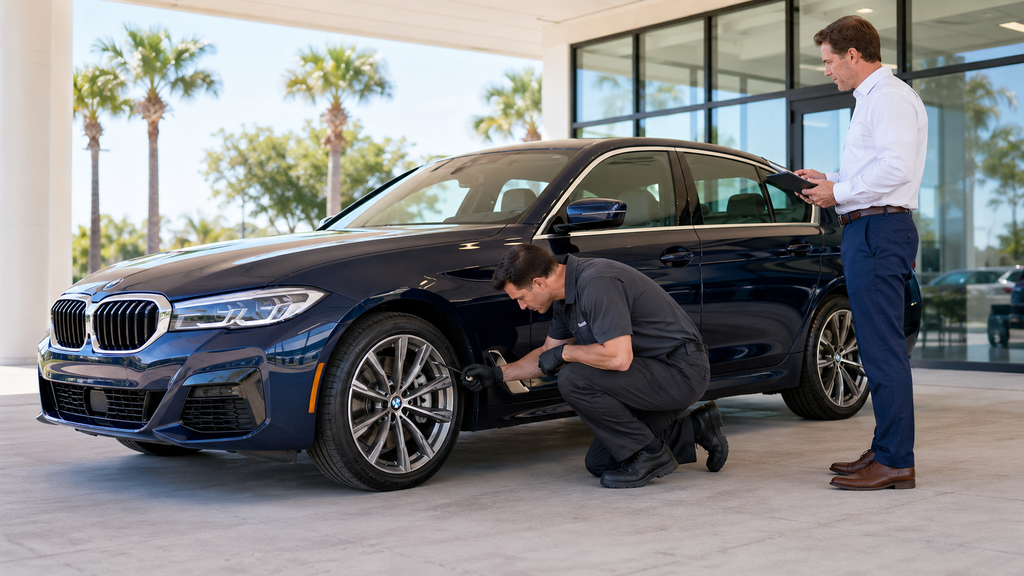
Your BMW's performance, handling, and safety depend heavily on your four tires. Keeping them properly inflated and knowing how your Tire Pressure Monitoring System (TPMS) works are simple ways to protect your tires, save on gas, and enjoy a smoother drive around Jacksonville. Here is what every BMW owner should know about tire maintenance and pressure settings. Find the Correct Pressure for Your BMW There isn’t a one-size-fits-all tire pressure for every BMW. The ideal cold inflation pressure depends entirely on your specific model, wheel and tire setup, cargo load, and driving habits. You’ll find your car’s tire pressure numbers printed on the tire pressure placard inside the driver’s door jamb, as well as in your owner’s manual. Be sure to use these recommended numbers rather than the maximum pressure listed on the side of the tire itself. Why Front and Rear Pressures May Differ It’s completely normal for front and rear tires on a BMW to require different pressures. Many BMWs run staggered wheel setups—where the rear tires are wider than the front—or carry weight differently across each axle. Your owner’s manual may even list different targets depending on how many passengers or how much luggage you’re carrying. If you’ve upgraded your wheels or swapped to a non-factory tire size, come by Tom Bush BMW so a service advisor can help you pinpoint the right PSI for your new setup. How Jacksonville's Weather Impacts Your Tire Pressure Living in Jacksonville means dealing with sudden weather swings, and tire pressure moves right along with the temperature. Generally, tire pressure drops as temperatures cool down overnight, which is why that warning light often pops up on colder mornings. Always check and adjust your tires when they are cold (before driving more than a mile or two). If you check your tires after cruising down I-95 on a hot afternoon, the reading will naturally be higher due to heat buildup never let air out of a warm tire to match the door sticker. What the Tire Pressure Monitoring System Does Your BMW’s Tire Pressure Monitoring System (TPMS) keeps an eye on tire pressure and lets you know the moment something is off. Depending on your iDrive system, you might see exact real-time pressures for each tire or a general warning light on the dash. While TPMS is a fantastic safety net, it isn't a replacement for a reliable handheld pressure gauge. Whenever you top off your tires or have them rotated, be sure to reset the TPMS in your iDrive menu so it can re-learn the correct baseline. When to Bring Your BMW In for Tire Service If your low-pressure light stays on, one tire keeps losing air every few days, or you feel an unusual vibration in the steering wheel, don't ignore it. Driving on a severely underinflated tire can ruin the sidewall and damage your wheels. If you suspect a slow leak, valve stem issue, or rim damage, our team at Tom Bush BMW Jacksonville is here to inspect your tires, fix the root cause, and get you back on the road safely.

BMW Remote Start for cooling your vehicle before driving in Jacksonville, FL.

BMW Remote Start: How It Works and What Owners Should Know

It goes without saying that it gets hot in Jacksonville, FL. We all know that. And there is nothing worse than getting in a hot car that's been roasting in the sun and waiting for the air conditioning to kick in. That's why BMW Remote Start is a lifesaver. BMW Remote Start allows you to tell your vehicle to start its engine while you're still outside, so cabin climate settings can begin cooling the car off before you get in. That can make everything more comfortable when you get into your BMW. The feature is equipment-dependent, so the first step is confirming that your specific BMW supports it. How to Check Compatibility BMW Remote start is generally available on models from 2019 and later that have an automatic transmission and a 4-or- 6 cylinder gas engine. Electric and plug-in hybrid BMWs do not have Remote Start; they have an alternate battery-powered preconditioning feature. To check if your BMW is compatible, check your owner’s manual and the features shown in its infotainment system. Check your BMW’s equipment information and available ConnectedDrive services using the VIN. A vehicle may need specific factory equipment, compatible software, an active service, or feature activation. Using Remote Start When Supported Depending on the vehicle, Remote Start may be initiated through the My BMW App, an in-vehicle setting, or a supported key-fob command. Follow the instructions for your exact vehicle; button sequences are not universal. Remote starting should never be used in a closed garage or another poorly ventilated area. Always verify that the vehicle is secured and that no one is in danger from turning the engine on. Why Remote Start Might Not Work A remote-start request can be blocked by conditions such as insufficient fuel, an open door or hood, an active vehicle warning, unavailable connectivity, or an unmet vehicle-specific prerequisite. App access may also depend on account pairing and service status. Instead of repeatedly trying a command, check for messages in the vehicle or app and consult the manual. A service visit may be appropriate if a supported feature continues to fail. Remote Start Versus Other Digital Features Remote Start is different from Remote Services, which can include other app-based vehicle functions, and from BMW Digital Key, which concerns vehicle access and starting authorization. Understanding these distinctions makes it easier to find the right setup instructions. The experts at Tom Bush BMW Jacksonville can help confirm equipment, review compatibility, and address an operating issue.

BMW Ultimate Care complimentary maintenance coverage

BMW Ultimate Care Explained: What Owners Should Know

BMW Ultimate Care is BMW’s factory-recommended scheduled maintenance program, standard on new BMW vehicles for 3 years or 36,000 miles, whichever comes first. Designed to cover core manufacturer-recommended maintenance according to BMW's Condition Based Service (CBS) system, the program includes scheduled engine oil and filter changes, brake fluid replacements, spark plug renewals, cabin micro-filters, and engine air filter replacements. Crucially, BMW Ultimate Care covers routine preventative maintenance rather than mechanical repairs, wear-and-tear components, or damage from accidents and road hazards. For drivers in Jacksonville, FL confirming the exact start date, mileage thresholds, and terms attached to their specific vehicle with an authorized BMW center is essential before scheduling service or assuming an item qualifies for coverage. Maintenance Coverage vs. Repair Protection It is important to distinguish between routine maintenance coverage and mechanical repair protection, as each addresses entirely different vehicle needs. BMW Ultimate Care follows strictly defined manufacturer service intervals triggered by time, mileage, or onboard vehicle telemetry. In contrast, mechanical repairs address component failures, electrical faults, or structural damage, which fall under the separate 4-year/50,000-mile BMW New Vehicle Limited Warranty or an optional extended protection agreement. While drivers can upgrade to expanded plans like BMW Ultimate Care+ to cover wear-and-tear items like brake pads, rotors, and wiper blades, standard Ultimate Care should never be described as a comprehensive repair warranty. Why Eligibility Can Differ Across BMW Models Eligibility for BMW Ultimate Care and Ultimate Care+ varies based on several specific vehicle parameters, including the model year, original in-service date, current odometer mileage, and whether the vehicle was purchased or leased. Standard BMW Ultimate Care coverage applies to original owners for 3 years or 36,000 miles, but this benefit is non-transferable to subsequent private buyers on model year 2015 and newer vehicles unless the vehicle is purchased through an authorized BMW Certified Pre-Owned (CPO) program or an official BMW Ultimate Care transfer fee is paid. Furthermore, BMW has updated its program guidelines across different model generations, meaning coverage parameters for a 2021 model may differ significantly from a 2024 or 2026 model. Exclusions also apply to non-scheduled wear items, track use, and unauthorized modifications. Because advertised benefits vary by program, drivers should always verify coverage against official BMW documentation. How to Verify Your BMW's Exact Coverage Determining your BMW vehicle’s precise maintenance coverage begins with its 17-digit Vehicle Identification Number (VIN), current mileage reading, and original sale documentation. By entering the VIN into BMW’s central service database, an authorized BMW service center can instantly retrieve the vehicle's exact in-service date, active warranty status, and remaining Condition Based Service (CBS) maintenance intervals. This verification step is especially critical for pre-owned BMW owners or drivers who purchased through private sales, as it clarifies whether residual coverage remains, if an Ultimate Care+ extension was previously purchased, or if upcoming service visits will be customer-pay transactions. Scheduling BMW Maintenance in Jacksonville BMW’s condition-based service system can help identify upcoming maintenance needs, but it does not replace an eligibility check. Before your appointment, share any service notifications and ask what the visit will include. Tom Bush BMW Jacksonville can review your vehicle information, explain the applicable BMW Ultimate Care terms, and help schedule eligible maintenance.

BMW 330i at Tom Bush BMW Jacksonville

Does a BMW Need Higher-Octane Gasoline?

If you’re driving a BMW 330i, you want to make sure that you are doing everything in your power to make sure that your vehicle is running in top shape. And that includes the gas that you put into your tank. The question is, does your BMW need a higher-octane gasoline to run at its best? Any BMW owner, no matter what model they drive, asking about premium gasoline deserves an answer based on th eir exact vehicle, not a blanket rule applied to the entire BMW lineup. Fuel requirements can differ with engine design, model year, and calibration. The most reliable starting point is the information BMW provides for your vehicle. Drivers in Jacksonville should check the fuel-filler label, owner’s manual, and current model-specific BMW guidance before filling the tank. Understanding Octane Ratings An octane rating describes gasoline’s resistance to engine knock, which can occur when fuel ignites in an uncontrolled way. At American pumps, regular gasoline is commonly labeled 87 AKI (anti-knock index), while premium grades carry higher ratings. A higher number does not automatically make gasoline better for every engine. What counts is the grade specified for your BMW and the difference, if any, between its minimum permitted octane and recommended octane. Recommended Fuel Versus Minimum Fuel Some vehicle instructions distinguish a recommended fuel grade from a minimum acceptable grade. Those terms should not be treated as interchangeable. The recommended grade is the fuel BMW has indicated is the optimal grade for the vehicle’s intended operating characteristics; the minimum is the lowest grade the manufacturer permits under its stated conditions. If your vehicle’s documentation makes this distinction, follow the full manufacturer's instructions. Never trust a general chart found on the internet; these charts do not take into consideration the specific requirements of your BMW. A question about appropriate fuel for a 330i, for example, should be answered using that 330 i’s specific model year and engine documentation. What If You Use the Wrong Gasoline? If you accidentally fill with a lower octane grade than specified, consult your owner’s manual promptly. Avoid demanding acceleration or heavy engine loads until you have vehicle-specific guidance. If the vehicle runs poorly, displays a warning, or makes unusual sounds, contact a BMW service professional. Gasoline contaminated with diesel or another incorrect fuel requires a different response: do not start the engine if you recognize the mistake before starting and arrange professional assistance. Get Fuel Guidance From Tom Bush BMW Jacksonville Bring your model year, model designation, and VIN when asking about gasoline requirements. A service advisor can help identify the correct documentation and discuss any warning lights or drivability symptoms after a fueling mistake. Visit Tom Bush BMW Jacksonville for model-specific assistance, or schedule a service appointment if your vehicle needs inspection.

BMW Warning Lights and Service Guidance in Jacksonville

BMW Warning Lights and Service Guidance in Jacksonville

BMW warning lights can turn a normal Jacksonville drive into an immediate decision. The first step is identifying the light, its color, and the Check Control message. BMW stores those messages in Vehicle Status, which gives more detail than the icon alone. Therefore, do not rely on color by itself. Read the message, notice how the car feels, and decide whether driving should continue. What Should You Check When a BMW Warning Light Appears? What should you check when a BMW warning light appears? Check the warning color first, then read the BMW Check Control message for more detail. Additionally, the instrument cluster gives the first visual cue. Therefore, the message adds context about the monitored area. BMW owners with newer iDrive versions can review stored Check Control messages in Vehicle Status. Additionally, the My BMW App can show vehicle status details after the car sends an update. That makes it easier to review a message again after parking. Still, color matters because it can show urgency. However, the exact meaning comes from the specific message and the way the car responds. A yellow icon may call for prompt attention. A red warning can point to a more serious concern that deserves immediate caution. Before moving on, note a few details. Record the warning color, symbol, and exact Check Control message before it disappears. Notice whether steering, braking, acceleration, temperature, or electrical functions feel different. Note when the warning appeared and whether it stayed active after restarting the car. Therefore, those details give you a clearer basis for the next step. They also give the service team more useful information later. When Should You Stop Driving? When should you stop driving? Stop when the warning indicates a serious fault or the vehicle shows unsafe symptoms. The message in iDrive should guide the first response. However, the way the car behaves matters just as much. Additionally, a brake warning deserves close attention if braking feels weak, uneven, or unusual. A coolant temperature warning also deserves caution because excessive heat can damage engine components. Additionally, a battery warning may signal trouble within the charging network. Do not continue driving if you see smoke, smell burning material, or notice a major fluid leak. The same applies when steering becomes difficult or the car loses substantial power. In those situations, move to a safe location when possible. Still, a red light does not tell you the failed part by itself. Therefore, avoid guessing about the repair from the icon alone. Read the message and follow the instruction shown by BMW. If the car remains safe to operate and the message permits continued travel, drive gently to an appropriate destination. Then arrange service as soon as possible. Check Engine and Other Yellow Warnings A yellow warning usually signals that the car needs attention, but the exact message still matters. For this reason, the check engine light is a common example. It can appear when monitored engine or emissions data falls outside the expected range. Can you keep driving with a check engine light? That depends on the message and how the car is operating. A steady light with normal driving response differs from a flashing light or severe drivability problem. Therefore, read the Check Control message before making the next decision. However, the light alone does not identify one failed part. BMW uses diagnostic data to narrow the cause. That process may involve stored fault codes, live data, electrical checks, or component testing. Additionally, other yellow warnings can point toward service needs that are less urgent than a red alert. Still, they should not be ignored. A warning that returns again deserves inspection even when the car seems normal. For this reason, use the warning as the start of a diagnostic process. Do not treat it as a complete diagnosis. Tire Pressure and Other Driver Check Items Some warnings let you perform a simple visual check before service. For this reason, tire pressure is one of the clearest examples. BMW Tire Pressure Monitor data can show current pressure information through Vehicle Status. What should you do after a tire pressure warning? Park safely, inspect the tire, and compare the displayed pressure with the target value. Look for obvious damage, a visibly low tire, or an object in the tread. Additionally, the warning may appear after pressure drops in one tire. Temperature changes can also change displayed pressure values. However, a sudden or large drop deserves closer attention. BMW owners can use Vehicle Status to review tire information. Additionally, some models show current tire temperature along with pressure data. That gives more context before you decide whether to continue driving. Use a simple check before moving again. Inspect the tire for visible damage, a puncture, or a sidewall problem. Compare the current pressure with the target pressure shown by the vehicle. Avoid driving farther if the tire looks unsafe or loses pressure quickly. A tire warning should lead to verification, not guesswork. If the pressure drops again after correction, schedule an inspection. Prepare for BMW Service Therefore, a warning light visit goes more smoothly when you arrive with useful details. The service team needs more than the name of the icon. The exact message, timing, and driving symptoms give better diagnostic context. What should you record before scheduling? Note the color, symbol, Check Control text, and any change in how the BMW drove. Additionally, note whether the warning stayed on, disappeared, or returned after a restart. A photo of the warning can also be useful when it appears safely while the car is parked. Do not photograph the display while driving. Instead, capture the message after stopping in a safe place. Tom Bush BMW Jacksonville offers online service scheduling for local BMW owners. When you book, include the warning details and any related symptoms. That gives the technician a clearer starting point for diagnosis. BMW warning lights are most useful when you treat them as action signals, not repair answers. Read the message, judge urgency, and check what you can safely inspect. Then schedule service when the warning calls for professional diagnosis.

BMW Maintenance for Higher Mileage in Jacksonville

BMW Maintenance for Higher Mileage in Jacksonville

BMW maintenance becomes more important as mileage rises and service history grows longer. No single odometer number can predict how long every BMW will remain on the road. A well documented vehicle may age very differently from one with missed service or unresolved repairs. Therefore, Jacksonville owners should look beyond mileage alone. Oil care, cooling health, fluid age, battery testing, and service records all add useful context. A careful review shows what the car has received and what may need attention next. How Many Miles Can a BMW Last? How many miles can a BMW last? No single mileage figure applies to every BMW because service history and mechanical condition vary. Additionally, two cars can show the same odometer reading while having very different histories. Moreover, one may have regular oil service and prompt repairs. Another may have long gaps in maintenance or unresolved warning signs. Therefore, start with records before making assumptions from mileage. Review oil services, cooling repairs, fluid work, battery replacement, brake service, and inspection notes. In addition, note whether major repairs were completed when symptoms first appeared. Prompt repairs can prevent one issue from placing extra strain on nearby components. Furthermore, a higher mileage BMW also deserves a current inspection. Listen for unusual noises during startup and driving. Check for fluid leaks, warning lights, uneven tire wear, and changes in braking. Moreover, a diagnostic scan may uncover stored faults that are not obvious during a walkaround. Still, mileage matters because components accumulate cycles and wear. However, the odometer works best as one part of a larger mechanical record. Oil and Cooling Care Protect Major Engine Components Engine oil creates a lubricating film between moving metal surfaces. It also carries heat and contaminants away from critical areas. As oil ages, contamination and thermal stress can reduce how well it performs those jobs. Therefore, correct oil service remains a central part of BMW maintenance. Why does oil specification matter? BMW engines require oil that meets the correct viscosity and approval requirements. The wrong product may not provide the intended protection across temperature changes and engine loads. For this reason, owners should follow the specification listed for their exact BMW. In addition, cooling care deserves equal attention in Jacksonville. Coolant circulates through the engine and transfers heat toward the radiator. Pumps, hoses, thermostats, seals, and heat exchangers all take part in that process. A weak component can reduce temperature control before a major warning appears. Before an overheating event occurs, watch for coolant loss, visible residue, unusual temperature readings, or repeated low coolant messages. In addition, inspect hoses and connections during routine service. For this reason, these two areas protect different parts of the same engine. Oil reduces friction inside moving assemblies. Coolant carries excess heat away from hot engine areas. Brake Fluid and Battery Care Depend on Time Too Low annual mileage does not remove every maintenance need. Some service items change with age even when the odometer moves slowly. Brake fluid is one example because it can absorb moisture through the hydraulic circuit as it ages. Why does that matter? Added moisture can lower the fluid's boiling point and change braking response under heat. Therefore, brake fluid service should follow the applicable BMW schedule, not mileage alone. Additionally, battery health deserves attention as a BMW ages. The 12 volt battery supports starting and many electronic functions. Heat can accelerate chemical aging inside a battery. Jacksonville owners may therefore find battery testing useful before a weak unit causes starting trouble or electrical faults. A service visit can review several age sensitive areas at once. Ask for brake fluid history when records are incomplete, since elapsed time matters alongside mileage. Request battery testing when starting becomes slower or the battery's installation date is unknown. Review coolant history and visible connections when the car has spent years in sustained Florida heat. These checks do not predict a fixed lifespan. Instead, they show whether time based service has kept pace with the vehicle's age. Service Records Tell a Larger Story Moreover, service records can reveal far more than a mileage number. They show whether routine work happened on schedule and whether repairs were delayed. Therefore, a documented history gives owners and used car shoppers a clearer view of prior care. What should you look for first? Start with recurring maintenance and larger repairs. Oil services, brake fluid work, cooling repairs, battery replacement, brakes, tires, and inspection records provide useful clues. Then look for gaps. A long period without documentation does not prove that service was missed. However, it creates an unanswered question that deserves closer inspection. In addition, repeated repairs in the same area may justify a deeper mechanical review. A useful record review should cover a few core areas. Confirm recurring oil service and note which oil specification was used when records provide that detail. Look for cooling work, including pumps, hoses, coolant service, or leak repairs. Compare battery, brake, and tire dates with current condition and measured wear. Furthermore, records help establish what may come next. If a major service item was completed recently, that changes the near term maintenance outlook. If its history is unknown, inspection becomes more useful. What Should You Check Before Choosing a Higher Mileage BMW? What should you check before choosing a higher mileage BMW? Review service records, fluid care, cooling history, battery condition, brakes, tires, and current diagnostic findings. Those areas create a more complete view than mileage alone. BMW Certified Pre Owned vehicles add a structured inspection layer. BMW reviews maintenance history and performs mechanical, brake, tire, diagnostic, and road test checks. Therefore, certification can provide documented evidence about current condition at the time of inspection. Certification does not promise a specific future mileage. Mechanical parts continue to age after the inspection. Service, driving patterns, repairs, and component wear will continue to shape what happens next. For a noncertified vehicle, an independent pre purchase inspection can serve a similar decision purpose. Ask the technician to review fluid leaks, cooling components, brakes, tires, battery health, stored faults, and recent service history. Jacksonville owners planning to keep a BMW for many years should use the same mindset. Keep records organized, respond to warning signs early, and review age based service along with mileage based items. A clear maintenance history makes future decisions easier and gives the next inspection far more context.

BMW ServiceMobile Guide for Jacksonville BMW Owners

BMW ServiceMobile brings selected maintenance and repair work to an approved home, workplace, or nearby location. Therefore, owners can request certain services without driving to the dealership. Tom Bush BMW Jacksonville reviews the vehicle, requested work, location, and appointment details before confirming a visit. However, mobile care does not replace every dealership appointment. Some repairs need lifts, wheel geometry equipment, controlled testing, or extensive disassembly. For this reason, the service team first checks whether the requested work fits a mobile visit. How BMW ServiceMobile Works How does BMW ServiceMobile work? The program sends a BMW technician to an approved location for selected work. First, the owner submits vehicle details and describes the requested service. Then, Tom Bush BMW reviews the request and confirms whether mobile care fits the job. The review starts with the vehicle identification number, current mileage, warning messages, and service history. In addition, the team checks the requested location and available appointment times. These details show whether the technician can arrive with the proper tools and parts. Once approved, the technician travels to the confirmed address. Additionally, the vehicle must sit in a safe, accessible space with enough room for the planned work. Furthermore, the owner must provide keys or approved access at the scheduled time. After completion, the technician records the work and shares any next steps. However, a newly discovered repair may require a dealership visit. The technician can explain that need before closing the appointment. Which BMW Services May Qualify Which BMW services can receive mobile care? Selected maintenance, inspections, batteries, software work, recalls, and light repairs may qualify. Tom Bush BMW must confirm each request because every procedure needs different tools, space, and parts. Battery replacement offers a useful example. A modern BMW battery may need registration after installation. Therefore, the technician needs compatible diagnostic equipment and the correct replacement battery. A simple parts swap without registration may leave charging data incorrect. Certain recall repairs may also fit a mobile appointment. However, every recall carries its own repair procedure. The service team must confirm the campaign number, required parts, labor steps, and site needs before dispatch. Software work may qualify when the technician can provide stable power and approved diagnostic access. Still, some faults need longer testing inside the dealership. Warning messages linked to several control units may also need deeper diagnosis. Tom Bush BMW may review requests involving these service areas: Battery testing or replacement may qualify after model and parts confirmation. Selected recall work may qualify after campaign review and parts verification. Certain inspections or light maintenance may fit an approved mobile visit. Limited software work may qualify when the location supports safe completion. This list does not promise mobile access for every BMW or every repair. Therefore, owners should submit the exact service concern before planning around an onsite visit. What Happens From Booking Through Completion A clear appointment request gives the service team the details needed for review. Owners should explain the concern, share dashboard messages, and note recent repair history. Photos may also clarify tire damage, fluid leaks, or visible parts concerns. BMW supports service scheduling through the My BMW App at participating centers. Owners can open the Vehicle tab, select Dealer Services, and choose Schedule Service. However, some BMW Centers redirect owners to a dealership scheduling page. Tom Bush BMW Jacksonville also maintains its ServiceMobile page as the direct local path. Therefore, the blog should send informed owners there after explaining the program. The scheduling page remains the place to request an appointment and confirm local availability. Before the scheduled visit, owners should prepare the location carefully: Park the BMW on firm, level ground with space around the work area. Remove locked gate restrictions and share building access instructions before arrival. Keep the keys available through the agreed handoff method. Move nearby vehicles, equipment, pets, or loose items away from the work area. Share any weather shelter details when rain may interrupt the planned work. Furthermore, the owner should keep a phone nearby during the appointment. The technician may need approval for added work or may find a concern requiring dealership equipment. When ServiceMobile Makes Sense BMW ServiceMobile may suit owners with limited travel time or difficult work schedules. It may also suit those who live farther from Tom Bush BMW Jacksonville. Still, the location must fall within the current service area. A workplace appointment may reduce time away from work. However, the parking area must permit repair activity and technician access. Property managers may require permission before any service begins. Home appointments may fit owners with a driveway or private parking area. By contrast, crowded garages or sloped parking spaces may not support safe work. Apartment parking may also require advance approval from property staff. Mobile care fits best when the requested job has a clear scope. A known recall, battery concern, or selected light service gives the team a defined task. However, complex noises or several warning messages may require dealership diagnosis. The owner should also consider vehicle safety. A BMW with severe tire damage, overheating, heavy fluid loss, or braking trouble may need roadside transport. In that case, call Tom Bush BMW or BMW Roadside Assistance before driving. When Your BMW Needs the Dealership Some BMW repairs require the service center from the beginning. Lifts give technicians access beneath the vehicle. Wheel geometry racks measure tire angles with controlled precision. Shop equipment also supports fluid handling, long diagnostic sessions, and road testing. Major brake work, suspension repairs, transmission concerns, and heavy engine repairs usually need dealership equipment. In addition, water leaks or electrical faults may need extended testing. These jobs can involve trim removal, controlled drying, or several diagnostic steps. A dealership visit also makes sense when several concerns appear together. One warning message may connect with another through shared electrical networks. Therefore, the technician may need full scan data, battery support, and repeated testing. BMW ServiceMobile gives Jacksonville owners another path for selected care. However, Tom Bush BMW must confirm the repair, location, and appointment before dispatch. Review the ServiceMobile page to request local details and start the scheduling process. When mobile care fits, the technician brings approved service to the confirmed location. When shop equipment is necessary, the dealership provides the space and tools. That clear division keeps each appointment matched with the work your BMW needs.

BMW Wiper Blades: When to Replace and Why OEM Fit Matters

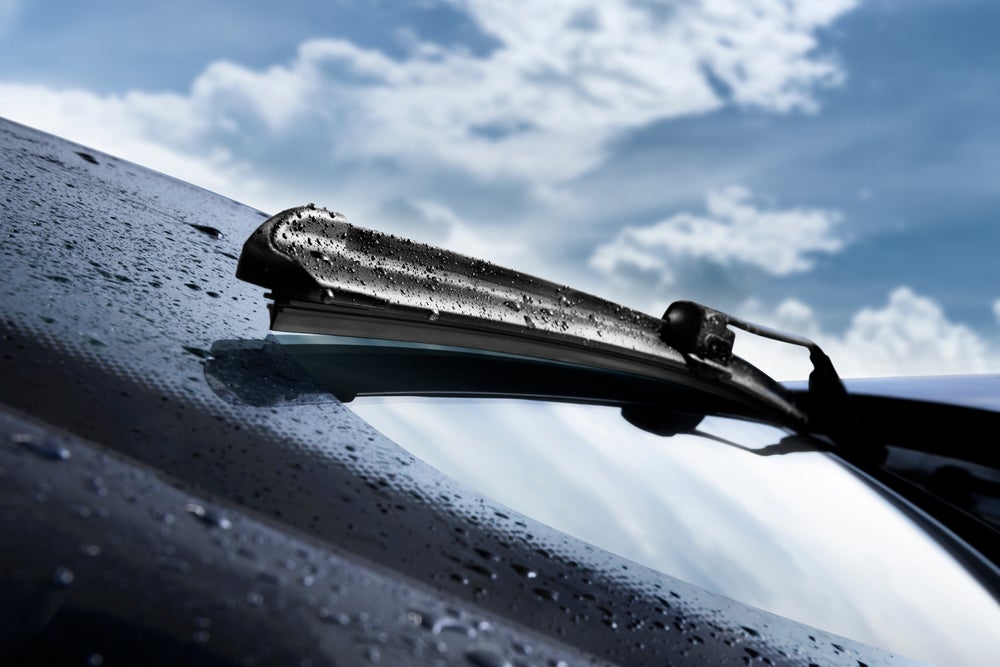
BMW wiper blades rank among the most overlooked maintenance items on the vehicle. They are directly tied to visibility and driver confidence in wet weather. Most drivers wait for a visible failure before scheduling a replacement. By that point, the blade has been leaving partial wipe paths and depositing a film across the glass on every pass. Knowing the signs of a blade past its service window, and understanding why fit and construction matter on a BMW, makes replacement timing a clear decision. Signs BMW Wiper Blades Need Replacing Wiper blade rubber does not fail all at once. The compound hardens gradually through UV contact, temperature cycling, and interaction with windshield washer fluid chemistry. That hardening is the mechanism behind the most common replacement signs. A blade that looks physically intact may already be too rigid to make consistent contact across the glass. Streaking is the earliest and most reliable indicator. When rubber loses its pliability, it cannot conform to slight surface irregularities on the glass. The result is a series of streaks left behind after each wipe cycle, not a clean dry path. Skipping follows a similar pattern. A hardened blade bounces across the glass. The motion creates a chattering sound and leaves alternating wet and dry bands across the windshield. Smearing is a later-stage sign. When the blade begins to break down at the edges, it pushes water across the glass. A smear pattern that persists through multiple passes indicates the wipe edge has deteriorated and replacement is overdue. The following signs indicate BMW wiper blades have reached the end of their service window: Streaking across the windshield after each wipe pass, even with fresh washer fluid. Skipping or chattering sound during the wipe cycle, indicating rubber stiffness. Smearing that does not clear after several passes, indicating edge deterioration. Visible cracking, splitting, or separation along the rubber wipe edge. Lifting at highway speed, where the blade loses contact with the glass above 60 mph. How BMW Windshield Curvature Changes Blade Requirements BMW windshields are not flat. The glass curves both laterally and vertically to match the vehicle's aerodynamic profile. That curvature creates a fit challenge that conventional framed wiper blades cannot fully address. A framed blade uses a rigid metal or plastic superstructure with a series of fixed pressure points along its length. On a curved windshield, those fixed pressure points leave gaps between contact zones. Uneven wiping and the streaking drivers notice in heavy rain follow from that gap. Beam blades address this through a spoiler-integrated spring steel frame with no external structure. The tension across the blade length allows it to flex and follow the windshield's curve continuously. Pressure is distributed evenly from tip to tip. On a BMW windshield, that continuous contact produces a clean wipe path across the full arc of each blade's travel. The low-profile beam design also reduces lift at higher speeds. A conventional framed blade acts as a sail above 60 mph. It reduces contact pressure and allows wind to pull the blade away from the glass. The beam profile minimizes that effect, keeping the blade seated against the windshield during highway driving. OEM vs Aftermarket BMW Wiper Blades The question that comes up most is whether OEM wiper blades are worth it or whether an aftermarket option at a lower price will produce the same result on a BMW. The answer connects to two factors: rubber compound specification and blade curvature matching. BMW OEM blades are manufactured to the curvature specification of each model's windshield. The arc built into the blade at rest matches the glass it contacts. An aftermarket blade built to a universal profile may not match that arc, leaving pressure inconsistencies across the wipe path. Those inconsistencies produce the same streaking and skipping patterns that worn blades create, even when the aftermarket blade is new. Rubber compound specification is the second factor. BMW OEM blades use a natural rubber compound treated to remain pliable across the temperature range the vehicle operates in. Some aftermarket blades use synthetic compounds that harden faster in cold climates or lose consistency in high heat. The following factors separate OEM BMW wiper blades from generic aftermarket options: Windshield arc matching: OEM blades are curved to the exact profile of the BMW model's glass, not a universal approximation. Rubber compound grade: OEM formulations retain pliability across a wider temperature range, extending wipe quality throughout the blade's service life. Attachment precision: OEM blades are built to BMW's specific attachment hardware dimensions, eliminating the adapter incompatibility common with universal blades. Aerodynamic integration: OEM beam blades are profiled to the vehicle's speed range, reducing lift without requiring aftermarket spoiler additions. How BMW Wiper Blade Attachment Hardware Works BMW uses attachment hardware that differs from the standard J-hook found on most non-European vehicles. Depending on the model and production year, the attachment may be a pinch-tab connection, a side-pin connection, or a top-lock connection. Each links the blade to the wiper arm differently. Each also requires a blade built to that specific interface. A universal aftermarket blade packaged with adapters may appear to solve the compatibility issue. In practice, adapter connections add play between the blade and the arm. That play allows the blade to shift laterally during the wipe cycle, reducing contact consistency. On a BMW, the wiper arm applies load at a specific angle matched to the windshield curvature. An offset blade connection changes the pressure geometry of the whole setup. OEM blades connect directly to BMW's attachment hardware without adapters. The connection is rigid, the blade seats at the correct angle, and the load is applied as the arm was built to deliver it. When drivers replace blades at a dealership service center, the service team selects the correct blade for the model and attachment type. No compatibility chart is required. When to Schedule BMW Wiper Blade Service Most BMW wiper blades reach the end of their service window between 12 and 18 months, though that range shifts based on climate and use. Drivers in climates with extended summer heat or heavy winter road salt contact will see degradation closer to the 12-month mark. Drivers in moderate climates with lighter seasonal variation may reach 18 months before noticeable wipe quality decline. The CBS system does not monitor wiper blade condition directly. Blade replacement is a calendar and condition-based decision, not a system-triggered alert. A sound approach is to inspect the blades at each oil service visit. Assessing wipe quality at the first sign of seasonal rain after a dry summer period is also useful. That window, where blades have gone through a full heat cycle and are asked to clear water again, is when early degradation becomes visible. Tom Bush BMW's service team includes a visual inspection of wiper blades as part of the multi-point check completed during oil service appointments. Drivers who are unsure of blade condition can request a wipe quality check during that visit. Installing blades at the service center ensures the correct OEM blade is matched to the specific model's windshield profile and attachment hardware. No adapter concerns, no guesswork on sizing.

OEM vs Aftermarket BMW Brake Pads Explained

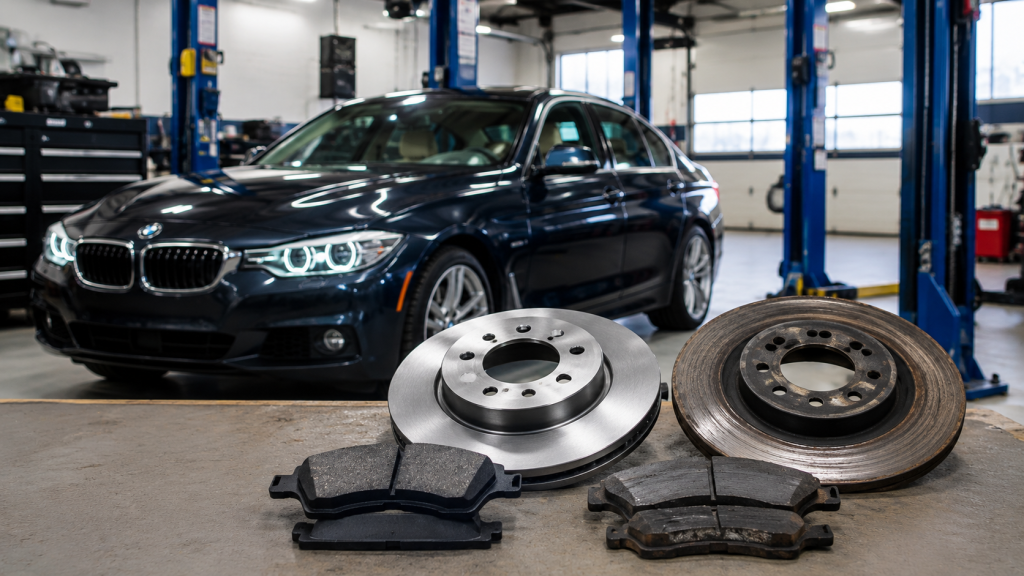
BMW brake pads are engineered around specific braking characteristics, rotor materials, and heat management targets that directly shape braking feel and long term wear patterns. That calibration process is one reason BMW braking systems feel different from many other vehicles on the road. When drivers replace worn pads, the decision between OEM and aftermarket options changes more than replacement cost alone. Brake dust levels, rotor wear progression, braking consistency, pedal response, and heat management can all shift depending on the friction material installed. Understanding how those components interact helps Jacksonville drivers evaluate brake replacement choices with greater clarity before scheduling service. How OEM BMW Brake Pads Are Tuned Around Factory Braking Calibration OEM BMW brake pads are developed alongside the braking system itself. BMW engineers calibrate pad compounds, rotor materials, brake booster response, ABS programming, and stability control behavior together as a matched system. The brake pad is not treated as an isolated replacement component. It functions as one layer inside a larger braking calibration strategy. Brake pad compounds rely on friction material formulas that determine how aggressively the pads grip the rotor surface during braking. That friction coefficient changes pedal feel, stopping smoothness, braking modulation, and thermal stability. BMW tunes those characteristics around expected driving dynamics for each vehicle platform. A BMW 330i sedan and BMW X5 SUV do not use braking systems with identical operating demands. Vehicle weight, wheel size, brake rotor diameter, suspension geometry, and weight transfer all alter braking load distribution during deceleration. OEM brake compounds are selected to match those platform specific requirements. OEM BMW brake pads are engineered around: • Rotor metallurgy • Brake heat distribution • ABS calibration • Stability control response • Vehicle curb weight • Expected braking temperature range This integration helps explain why some drivers notice immediate differences after installing aftermarket pads. The replacement material may operate with a different friction profile than the factory calibration originally designed around. Why Aftermarket Brake Pads Produce Different Dust, Noise, and Pedal Feel Aftermarket brake pads vary dramatically in friction material composition. Some prioritize lower brake dust. Others target aggressive stopping response or higher temperature tolerance. Those differences directly alter how the braking system behaves during daily driving. BMW factory brake pads are known for producing noticeable brake dust. That dust forms because softer friction compounds generate strong cold braking response and smooth braking modulation. The tradeoff is increased material transfer between the brake pad and rotor surface. Many aftermarket ceramic brake pads reduce visible dust substantially. Ceramic compounds operate differently than softer semi metallic formulations and usually create cleaner wheel surfaces during normal driving. The reduction in dust, however, can alter braking feel during colder temperature operation or early brake application. Drivers sometimes notice: • Firmer pedal response • Reduced initial bite • Different stopping smoothness • Increased brake noise • Sharper rotor contact feel • Longer cold braking engagement That does not automatically mean the aftermarket brake pad is defective. It means the braking characteristics have shifted away from the original BMW calibration profile. Brake noise differences also stem from compound variation. Pad hardness, vibration dampening layers, rotor condition, and thermal cycling all shape how sound transfers through the braking system. A quieter brake pad compound in one BMW platform may produce more vibration or squeal in another depending on rotor wear and operating temperature. Florida Heat Changes Brake Pad Operating Demands Jacksonville traffic patterns and Florida heat exposure create additional thermal stress across BMW braking systems. Brake pads operate by converting vehicle motion into heat through friction. As temperatures rise during repeated braking cycles, the friction compound must remain stable enough to maintain consistent braking response. SUV platforms like the BMW X5 and BMW X7 place even greater thermal demand on brake materials because larger vehicle mass generates higher braking load during deceleration. Stop and go traffic further compounds heat buildup because airflow across the braking system decreases during slower movement. Brake compounds respond differently as temperature rises. Softer compounds may maintain smooth braking feel but wear more rapidly under prolonged heat exposure. Some aftermarket ceramic compounds tolerate elevated temperatures well but can produce harder cold braking characteristics during initial application. Florida driving exposure increases attention toward: • Heat resistance stability • Rotor cooling efficiency • Traffic braking frequency • Brake fade resistance • Thermal expansion management • Pad material consistency This becomes important because brake pads that perform well during cooler climates may behave differently during extended high heat driving cycles common across Florida roadways. Rotor Compatibility Matters During Brake Pad Replacement Brake rotors and brake pads wear together as matched friction surfaces. When brake compounds change substantially, rotor wear patterns can change as well. That interaction is one reason BMW brake service recommendations frequently include rotor inspection during pad replacement. OEM BMW brake pads are engineered around specific rotor hardness and thermal expansion characteristics. Some aftermarket compounds generate more aggressive rotor contact, while others operate with smoother friction transfer. Improper compound pairing can accelerate scoring, vibration, or uneven rotor wear over time. Rotor surface condition also shapes braking consistency. Uneven heat transfer across worn rotors can create steering wheel vibration, pulsation during braking, or inconsistent pedal feel. Installing fresh brake pads against heavily worn rotors may leave the new pads unable to seat evenly across the rotor face. Several rotor related concerns should be evaluated during BMW brake service: • Rotor thickness variation • Surface scoring • Heat spotting • Pad transfer buildup • Rotor cooling vane condition • Uneven wear patterns Brake pad replacement decisions work best when the entire braking system is evaluated together rather than focusing only on friction material cost alone. What Jacksonville BMW Drivers Should Evaluate Before Choosing Brake Pads The strongest brake pad choice depends on how the vehicle is driven, how much braking heat it experiences, and what braking characteristics the driver prioritizes most. Some Jacksonville drivers prioritize low dust operation for easier wheel maintenance. Others prioritize preserving original BMW braking feel and factory calibrated pedal response. Drivers comparing OEM and aftermarket BMW brake pads should evaluate: • Braking consistency during traffic driving • Dust production expectations • Rotor wear compatibility • Brake noise sensitivity • Heat exposure patterns • Vehicle weight and braking load • Cold braking response • Long term maintenance planning OEM BMW brake pads remain closely tied to the original braking calibration engineered for the vehicle platform. Aftermarket compounds can alter braking feel, wear progression, and thermal response depending on the material selected. Understanding how those variables interact helps drivers evaluate brake replacement choices with greater confidence before scheduling BMW brake service.

BMW Brake Wear Sensors Explained and Service Timing

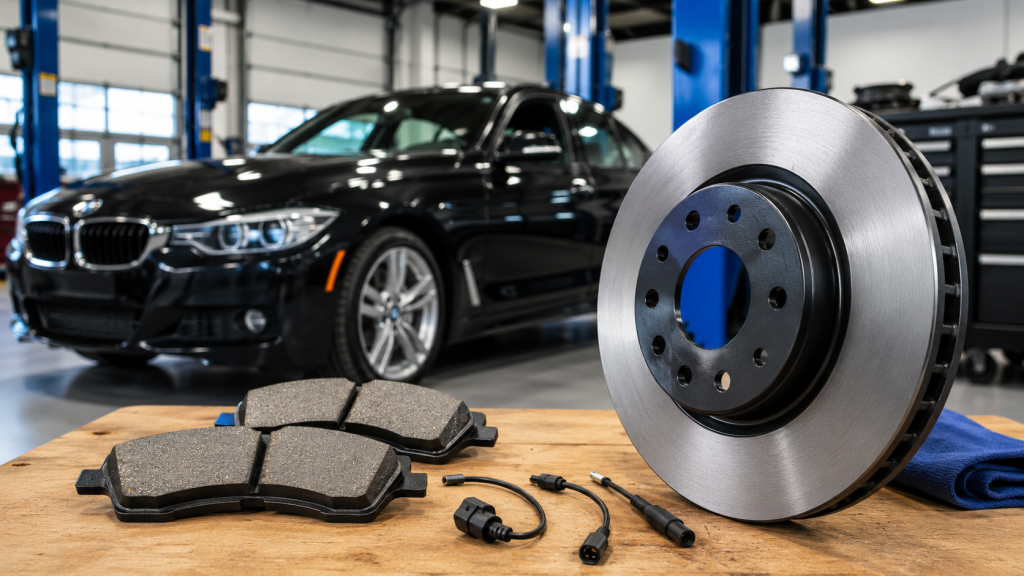
A BMW brake wear sensor monitors brake pad thickness electronically and helps determine when brake service should be scheduled before braking performance begins to decline. Modern BMW brake systems do far more than rely on visual inspection intervals alone. Electronic monitoring, brake force distribution, rotor heat management, and predictive service calculations all work together to track braking wear across different driving patterns. That is why two BMW vehicles with similar mileage can reach brake service timing at completely different intervals. Understanding how BMW brake wear sensors operate helps owners interpret warning lights more accurately and evaluate brake service timing with greater confidence. How BMW Brake Wear Sensors Trigger Service Warnings A BMW brake wear sensor is a physical electronic sensor mounted directly into the brake pad material. As the brake pad gradually wears down, the sensor moves closer to the rotor surface. Once the pad reaches a calibrated wear threshold, the rotor contacts the sensor and breaks the electrical circuit inside it. That interruption signals the BMW monitoring system to activate a brake service warning through the dashboard and iDrive service system. This process explains why BMW brake warnings can sometimes appear suddenly. The sensor does not slowly dim or gradually activate over weeks. Once the circuit breaks, the system recognizes that the brake pad has crossed the designed wear threshold. BMW uses this setup because brake pads do not always wear evenly across all driving situations. Urban traffic, repeated stop and go driving, downhill braking, and aggressive braking force generate very different heat and friction levels than steady highway travel. Electronic monitoring allows the system to track wear more precisely than mileage alone. Important brake sensor characteristics include: • Sensors physically contact the rotor at wear threshold • Front and rear brake systems use separate monitoring logic • Sensor activation triggers dashboard service notifications • Most BMW sensors require replacement during brake service • iDrive service calculations adjust based on wear progression A brake warning does not automatically indicate immediate brake failure. In most situations, the warning indicates that the pad material has reached a planned service threshold designed to preserve braking stability and rotor condition before severe wear develops. Why BMW Brake Service Timing Varies Between Vehicles BMW brake service intervals vary because braking load changes dramatically based on vehicle weight, traffic exposure, driving speed, and braking frequency. A BMW X5 driven daily through dense urban traffic will place far more thermal stress on the brake system than a BMW 530i driven primarily on open highways. Every braking event converts vehicle motion into heat through friction between the brake pads and rotors. Heavier vehicles generate larger braking loads because more mass must be slowed during deceleration. SUVs therefore place different stress levels on brake materials than lighter sedan platforms. Driving style also changes brake wear timing substantially. Smooth braking distributes heat more gradually across the rotor surface. Aggressive braking creates sharper heat spikes that accelerate friction material breakdown and rotor surface wear. Several variables shape BMW brake service timing: • Vehicle curb weight • Wheel and tire size • Traffic density • Driving speed distribution • Brake force frequency • Rotor heat cycling • Pad compound composition This explains why identical BMW models can still produce different brake service intervals. The electronic monitoring system tracks actual wear progression instead of relying entirely on fixed mileage estimates. Why Rear Brakes Sometimes Wear Faster on BMW Models Many drivers assume front brakes always wear faster because front axle braking handles most stopping force during deceleration. While the front brakes still manage the majority of braking load, modern BMW stability systems now distribute braking force more dynamically across all four wheels. Electronic stability control, traction management, brake vectoring, and adaptive braking calculations can increase rear brake usage during cornering correction, slippery surface stabilization, and vehicle balance adjustments. This added rear axle engagement changes wear distribution patterns compared to older braking systems. BMW sedans and SUVs also manage brake bias differently based on vehicle configuration. A BMW 5 Series maintains different weight transfer characteristics than a taller SUV platform like the BMW X3 or BMW X5. That difference changes how braking pressure distributes during deceleration. Rear brake wear can accelerate due to: • Electronic stability correction activity • Urban traffic braking frequency • Hill descent braking assistance • Adaptive cruise braking inputs • Weight transfer management • Stop and go commuting exposure This is why rear brake warnings appearing first on some BMW vehicles does not automatically indicate a malfunction. The wear pattern may simply reflect how the braking system distributes load across the vehicle during normal operation. Rotor Wear and Heat Cycles Change Brake Replacement Timing Brake pads are only one part of the BMW brake service equation. Rotors also absorb massive thermal stress during braking. Every stop creates friction heat that expands and contracts the rotor surface repeatedly over time. Those repeated heat cycles gradually wear down rotor thickness and can alter rotor surface smoothness. Rotor condition directly impacts braking consistency because uneven rotor surfaces reduce how evenly the brake pads contact the rotor face. Scoring, heat spotting, and thickness variation can create vibration, noise, or unstable braking feel during deceleration. BMW brake systems are engineered with specific pad and rotor material pairings. Once brake pads wear close to their service threshold, the rotor may already contain enough thermal wear to justify replacement during the same service visit. Several factors accelerate rotor wear: • Repeated high heat braking • Heavy vehicle mass • Aggressive deceleration • Mountain driving exposure • Uneven pad wear • Delayed brake service timing Rotor replacement recommendations are not simply upsell driven maintenance suggestions. In many situations, the rotor thickness or surface condition no longer supports proper braking stability with a fresh pad set installed against it. What Owners Should Evaluate When a BMW Brake Warning Appears A BMW brake warning should trigger an inspection decision, not immediate panic or complete dismissal. The warning exists to identify that the brake pad material has crossed a monitored wear threshold and that the braking system should be evaluated before rotor wear or braking consistency begins to decline further. Drivers should first consider how the vehicle has been used leading up to the warning. Heavy traffic exposure, steep terrain, repeated short trip driving, and aggressive braking patterns all accelerate wear progression. Owners evaluating BMW brake service timing should review: • Brake pad thickness remaining • Rotor surface condition • Brake vibration during stopping • Noise during braking • Brake fluid service history • Front versus rear wear distribution • Driving pattern exposure BMW brake wear sensors exist to provide earlier visibility into braking wear progression before braking quality deteriorates substantially. Understanding how those sensors function helps owners evaluate service timing more accurately and interpret brake warnings with greater clarity.

How BMW Condition Based Service Predicts Maintenance Needs

BMW Condition Based Service is designed to replace fixed maintenance schedules with a system that adapts to how the vehicle is actually driven. Instead of relying on a set mileage interval, BMW uses real-time data from the vehicle to determine when service is required. This approach is built around monitoring system performance, component wear, and operating conditions to predict maintenance needs before issues develop. For BMW owners, this means service timing is not static. It is calculated based on how the vehicle operates day to day, which creates a more precise and responsive maintenance strategy. What is BMW Condition Based Service BMW Condition Based Service is a predictive maintenance system that uses vehicle data to determine when specific services should be performed. Rather than following a fixed schedule, the system evaluates how components are performing and calculates remaining service life. At a system level, BMW integrates multiple control modules and sensors to monitor key areas such as engine operation, braking performance, and fluid condition. These inputs are processed through onboard algorithms that estimate how quickly components are wearing under current driving conditions. The system then communicates this information through the BMW iDrive interface, displaying service intervals for: Engine oil Brake pads Vehicle inspections Additional maintenance items depending on the model This approach allows the vehicle to adjust service timing dynamically. A BMW driven primarily on highways may extend service intervals, while a vehicle used in stop and go traffic may require more frequent attention. The result is a maintenance system that aligns service needs with actual usage rather than assumptions. How does BMW know when service is needed BMW determines when service is needed by combining sensor data with predictive algorithms that model component wear over time. Each monitored system contributes specific data points that help calculate remaining service life. For example, engine oil condition is not measured by a single sensor. Instead, the system evaluates: Engine temperature cycles Engine load and RPM patterns Driving duration and frequency Cold start frequency These inputs allow the system to estimate how quickly the oil is degrading rather than relying on mileage alone. Brake wear is monitored through physical sensors embedded in the brake pads. As the pads wear down, the sensor provides feedback on remaining thickness. This allows the system to predict when replacement will be required before performance is affected. Other systems contribute additional data, including: Fuel consumption patterns Environmental conditions Driving intensity By combining these inputs, BMW creates a predictive model of component wear. This is why service intervals can vary significantly between drivers. The system is not guessing. It is continuously recalculating based on real operating conditions. How driving behavior changes service timing Driving behavior directly influences how quickly components wear, which is why BMW Condition Based Service adjusts intervals based on how the vehicle is used. The system is designed to recognize patterns that increase or decrease stress on key components. For example: Frequent short trips increase engine wear due to repeated cold starts Aggressive acceleration raises engine load and fuel demand Heavy braking accelerates brake pad wear Consistent highway driving reduces strain on multiple systems These factors change how quickly maintenance is required. A BMW used for long, steady highway drives may experience slower oil degradation and brake wear. In contrast, a vehicle used in urban traffic with frequent stops and starts will reach service thresholds sooner. This adaptability is what allows CBS to provide more accurate service timing. It ensures maintenance is performed when needed, not simply when a preset mileage is reached. For drivers, this explains why two identical BMW models can display different service intervals. The system is reflecting actual usage, not a standardized schedule. What BMW service intervals mean for ownership BMW service intervals under Condition Based Service represent calculated maintenance timing based on real vehicle conditions. This changes how owners should think about maintenance. Instead of asking how many miles between services, the focus shifts to understanding system feedback. The vehicle is continuously evaluating itself and providing guidance based on data. This has several practical implications: Maintenance is performed only when necessary, reducing unnecessary service visits Components are serviced before failure, improving reliability Long-term ownership costs can be managed more effectively For BMW owners, the key is trusting the system while remaining aware of how driving habits influence results. The CBS system is designed to balance performance, efficiency, and durability by aligning maintenance with actual vehicle use. When understood correctly, it becomes a tool for maintaining vehicle health rather than a source of confusion. It translates complex system data into clear service recommendations that support both short-term performance and long-term reliability.

Understanding BMW Diagnostic Test Pricing and What It Covers

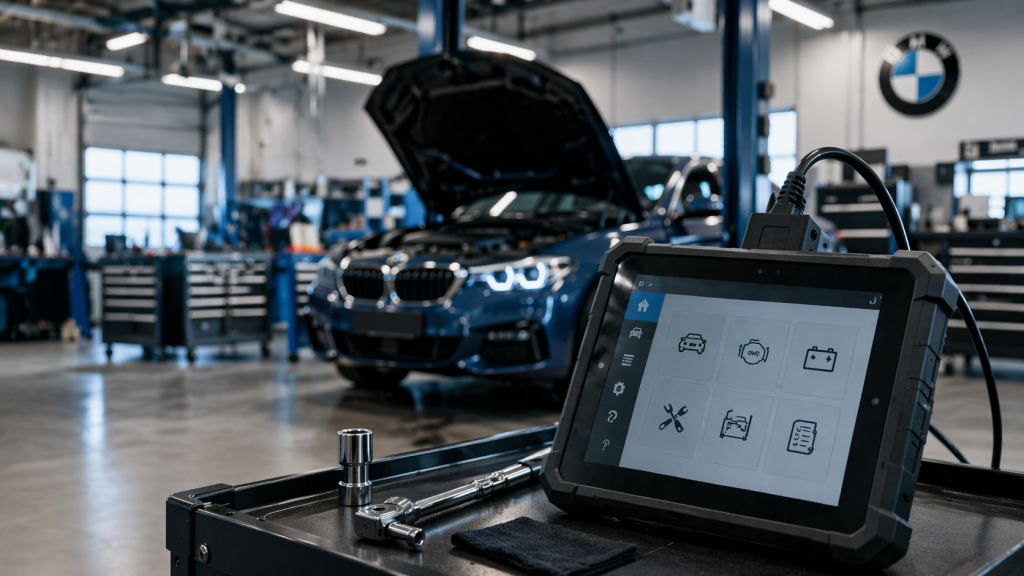
When a warning light appears on your BMW, most drivers immediately want a quick answer. What is wrong, how serious is it, and how much will it cost to fix. A BMW diagnostic test is the starting point for answering all three. It is not just a quick scan. It is a structured process that evaluates how multiple vehicle systems are communicating, where faults originate, and what actions are required to resolve them. Understanding what you are paying for during a diagnostic test requires looking at how BMW systems work, how faults are identified, and why dealership-level diagnostics provide a different level of insight than basic scan tools. What does a BMW diagnostic test actually check A BMW diagnostic test evaluates how the vehicle’s control systems communicate, identify faults, and determine the root cause of a problem. Modern BMW vehicles rely on dozens of electronic control units, each responsible for a specific system such as the engine, transmission, braking, or driver assistance features. These modules are constantly exchanging data across the vehicle network. When something operates outside of expected parameters, the system logs a fault code. However, that code is not the problem itself. It is a signal that something within the system is behaving incorrectly. A BMW diagnostic process goes beyond retrieving that signal. It involves analyzing how different systems interact to identify why the fault occurred. For example, a check engine light on a BMW could be triggered by multiple underlying issues: A failing sensor providing inaccurate data An air or fuel imbalance affecting combustion A communication fault between control modules A mechanical issue that is influencing electronic readings Using BMW-specific diagnostic software such as ISTA, technicians can: Access all vehicle control modules, not just engine codes Run guided test plans based on BMW engineering logic Monitor live system data to observe real-time behavior Perform system calibrations and resets when needed This level of analysis transforms diagnostics from a simple scan into a structured evaluation of how the vehicle is functioning as a complete system. For a BMW owner, this means the diagnostic test is not just identifying a warning. It is isolating the exact cause so repairs are accurate and targeted. Why does a BMW diagnostic test cost more than a basic scan A BMW diagnostic test costs more than a basic scan because it involves specialized tools, trained expertise, and a deeper level of system analysis. A generic OBD scanner can read basic fault codes, but it cannot interpret manufacturer-specific data or evaluate how multiple systems interact. The difference comes down to capability. Basic scan tools: Read limited engine-related codes Provide generic fault descriptions Do not access all BMW control modules Cannot run manufacturer-guided diagnostics BMW dealership diagnostics: Use factory-level ISTA software Access every control module in the vehicle Run guided troubleshooting workflows Interpret data based on BMW engineering standards The cost of diagnostics reflects more than the time it takes to connect a tool. It includes: Investment in BMW-specific diagnostic systems Technician training to interpret complex system data Time spent isolating root causes rather than symptoms This distinction matters because a basic scan may point to a component, while a full diagnostic identifies why that component failed. For a BMW owner, this reduces the risk of replacing parts unnecessarily and ensures repairs address the actual issue. What is included in a BMW dealership diagnostic service A BMW dealership diagnostic service includes a structured evaluation process designed to identify faults accurately and connect them to a repair strategy. When a vehicle arrives with a warning light or performance issue, the diagnostic process follows a defined workflow. The process typically includes: Initial system scan across all BMW control modules Review of stored and active fault codes Guided diagnostic testing using BMW ISTA software Live data monitoring to observe system performance Physical inspection of related components when needed Each step builds on the previous one. A fault code alone does not determine the repair. It provides a starting point for deeper investigation. For example, if a BMW reports a misfire condition, the diagnostic process may involve: Reviewing ignition system performance data Checking fuel delivery consistency Evaluating air intake readings Inspecting mechanical compression if required This layered approach ensures the technician is not making assumptions. Instead, they are validating each potential cause using real vehicle data. From a customer perspective, this means the diagnostic fee covers: Access to manufacturer-level tools Technician time spent testing and verifying A clear direction for necessary repairs It is not simply a charge to “look at the car.” It is the process that ensures any repair recommendation is based on confirmed data. How BMW diagnostics influence repairs and costs A BMW diagnostic test directly influences both the accuracy of repairs and the total cost of ownership. Without proper diagnostics, repairs often rely on guesswork, which can lead to unnecessary part replacements and repeat visits. A diagnostic test reduces that risk by identifying the root cause before any repair begins. For example, a warning related to an oxygen sensor could result from: A failing sensor An exhaust leak affecting readings An engine performance issue causing incorrect data Replacing the sensor without confirming the cause may not resolve the issue. A proper diagnostic process ensures the repair targets the actual source of the problem. This has two key implications for BMW owners: Repairs are more accurate, reducing repeat issues Long-term costs are controlled by avoiding unnecessary part replacements Diagnostics also play a role in maintaining system performance. BMW vehicles are engineered with interconnected systems, meaning one fault can affect multiple areas of the vehicle. Identifying and resolving issues early prevents additional components from being impacted. In practical terms, the diagnostic test is what turns a warning light into a clear action plan. It defines what needs to be repaired, why it failed, and how to restore the vehicle to proper operating condition.

Contact Us

Fill out this form below and we'll contact you shortly
*Required Fields