
Blog

All Jacksonville BMW Dealer Tom Bush BMW Things To Do In Jacksonville Jacksonville Amenities Tom Bush BMW Jacksonville Service Jacksonville BMW Service Jacksonville Luxury Cars Jacksonville Entertainment Jacksonville Used Cars Tom Bush Family of Dealerships Jacksonville Parks Jacksonville Eateries Jacksonville Restaurants Family Fun in Jacksonville Jacksonville Landmarks Jacksonville Beaches Tom Bush BMW Collision Repair Holidays in Jacksonville Jacksonville Vegetarian Eating Things To Do Near Jacksonville Vegan Foodies BMW Lease Jacksonville Jacksonville Collision Small Town Fun

Certified Pre-Owned BMW Inspections Explained

For shoppers considering a used BMW, certification is less about marketing language and more about risk control. A BMW Certified Pre-Owned vehicle must meet manufacturer defined standards before it can earn that designation. Understanding how the inspection works, what disqualifies a vehicle, and how reconditioning decisions are made helps buyers evaluate whether CPO status meaningfully reduces ownership uncertainty. BMW’s Certified Pre-Owned program is governed by the manufacturer, not created at the dealer level. That distinction matters because it sets uniform requirements for eligibility, inspection, and warranty coverage across the network. What Qualifies a BMW for Certification Not every used BMW can become certified. Eligibility is established before inspection begins. Vehicles must meet manufacturer limits related to age and mileage. Models outside those thresholds are excluded regardless of condition. In addition, vehicle history plays a role. Units with certain accident histories, title issues, or incomplete records are typically disqualified before inspection is even attempted. Certification is not a cosmetic upgrade applied to any used vehicle on the lot. It is a controlled process that begins with eligibility screening. more How the BMW CPO Inspection Is Structured Once a vehicle qualifies, it undergoes a multi point inspection performed by BMW factory trained technicians using BMW diagnostic systems. The inspection is designed to verify condition, not predict future wear. It focuses on whether the vehicle meets defined standards at the time of certification. Inspection categories include: Mechanical systems Engine operation, transmission behavior, driveline components, cooling systems, and exhaust integrity are evaluated for proper function and abnormal wear. Safety systems Brakes, steering, suspension components, airbags, seatbelts, and driver assistance systems are checked for correct operation and fault codes. Electrical and electronic systems Diagnostic scans are performed to identify stored faults, software inconsistencies, or unresolved system alerts. Interior condition Seating surfaces, controls, displays, and interior trim are evaluated for excessive wear or damage beyond acceptable thresholds. Exterior condition Body panels, glass, lighting, and exterior trim are reviewed to ensure structural and cosmetic standards are met. Each category must pass inspection for the vehicle to proceed toward certification. What Happens If a Vehicle Fails Inspection Inspection is not a formality. If a vehicle fails to meet standards, it cannot be certified in its current condition. At that point, one of two things happens: Required reconditioning is performed to bring the vehicle into compliance The vehicle remains non certified and is sold as a standard used BMW Certification cannot be applied without documented correction of issues identified during inspection. This is where reconditioning becomes central to the program. BMW CPO Reconditioning Standards Reconditioning is mandatory, not optional. BMW defines minimum thresholds for components that affect safety, performance, and ownership experience. Common reconditioning areas include: Tires and brakes meeting defined wear limits Suspension components replaced if outside tolerance Software updates and recall completion Replacement of worn or damaged interior components Correction of cosmetic issues that exceed acceptable condition guidelines The goal is not to make the vehicle new, but to ensure it meets BMW’s standards for a certified used vehicle. Who Performs the Inspection and Repairs BMW Certified Pre-Owned inspections and reconditioning are performed by BMW trained technicians using OEM diagnostic equipment. This matters because modern BMW vehicles rely heavily on integrated systems that require manufacturer level tools to evaluate correctly. Generic inspections may identify obvious issues, but they often lack access to proprietary diagnostics, software verification, and system calibration procedures required for certification. How the CPO Warranty Fits Into the Inspection Inspection and warranty are separate but connected components of the program. The inspection verifies condition at the time of certification. The CPO limited warranty provides coverage after purchase. BMW CPO warranty coverage typically extends beyond the original factory warranty period and is designed to cover major components. It does not replace maintenance, nor does it eliminate all ownership costs, but it significantly reduces exposure to unexpected repair expenses during the coverage period. This distinction is important. Certification confirms the vehicle meets standards today. The warranty addresses risk tomorrow. Certified Pre-Owned Versus Non Certified Used BMWs The difference between a CPO BMW and a non certified used BMW is not just inspection depth. It is the combination of eligibility screening, mandatory reconditioning, manufacturer oversight, and warranty protection. Non certified vehicles may still be high quality, but they do not undergo the same standardized process or receive the same coverage backing from BMW. For buyers prioritizing risk reduction and ownership predictability, that distinction carries real value. What Buyers Should Evaluate When Choosing CPO Before choosing a Certified Pre-Owned BMW, shoppers should consider: Whether the warranty coverage aligns with expected ownership length How certification affects total cost compared to non certified options The vehicle’s mileage and remaining service life Long term maintenance expectations CPO status does not eliminate responsibility, but it shifts the balance of risk in the buyer’s favor. Why Inspection Transparency Matters Certified Pre-Owned programs only work when standards are clear and consistently applied. BMW’s approach emphasizes defined eligibility, documented inspection, required reconditioning, and warranty backing. For used BMW shoppers who value clarity over promises, understanding the inspection process is the key to deciding whether certification justifies its place in the buying decision.

Understanding BMW Plug In Hybrid Daily Driving Behavior

BMW plug in hybrid vehicles are designed to adapt to how people actually drive, not to force drivers into a rigid routine. For shoppers considering a BMW PHEV, the most important question is not maximum electric range on paper, but how the system behaves across normal daily driving. Understanding what the vehicle does in real conditions helps set accurate expectations and avoid disappointment. BMW’s plug in hybrid architecture blends an electric motor, a high voltage battery, and a traditional combustion engine into a single coordinated system. The vehicle is always managing energy flow in the background, adjusting based on speed, load, drive mode, and battery state. This makes daily driving behavior predictable once the system logic is understood. How BMW Plug In Hybrid Systems Actually Work A BMW plug in hybrid is not an electric vehicle with a gas backup. It is a dual power system designed to optimize efficiency across varied conditions. Core components work together as follows: The electric motor provides propulsion at low speeds and during light load driving The battery stores energy from external charging and regenerative braking The combustion engine engages when power demand exceeds electric efficiency or battery charge is low The transmission blends torque from both power sources seamlessly The driver does not manually switch between systems in most situations. The vehicle decides which power source makes the most sense based on efficiency and performance needs. more Daily Driving in Electric Mode For short commutes and local driving, BMW PHEVs are capable of operating primarily on electric power. In electric prioritized modes, drivers can expect: Smooth, quiet acceleration from a stop Electric only operation during city driving Minimal engine engagement during low speed travel Strong response in stop and go traffic Electric range is intended to cover typical daily errands and commuting, not extended highway travel. Real world electric range depends on speed, temperature, elevation changes, and accessory use. Short trips with frequent stops maximize electric efficiency. Sustained highway speeds reduce electric range more quickly. What Happens When the Battery Is Depleted One of the most common concerns across SERPs is what happens when the battery reaches a low state of charge. When electric range is exhausted: The vehicle transitions automatically to hybrid operation The combustion engine becomes the primary propulsion source Electric assistance still supports acceleration when needed Fuel efficiency remains higher than a non hybrid equivalent There is no performance penalty when the battery is depleted. The vehicle continues to operate normally as a hybrid without requiring immediate charging. This design ensures drivers are never stranded or forced to modify plans due to battery state. Charging Frequency and Real World Impact Charging habits directly influence how much benefit a plug in hybrid delivers. Drivers who charge regularly experience: Higher percentage of electric only driving Lower fuel consumption over time Reduced engine runtime Quieter daily operation Drivers who charge infrequently still benefit from: Regenerative braking energy recovery Electric torque assistance Improved efficiency compared to non hybrid models Home charging is the most practical solution. Overnight charging aligns naturally with daily use patterns. Public charging is helpful but not required for effective ownership. Skipping a charging day does not harm the system. It simply shifts the vehicle toward hybrid operation. Regenerative Braking and Driving Feel BMW regenerative braking systems are calibrated to feel familiar to traditional drivers. When decelerating: The electric motor recaptures energy during braking Energy is stored back into the battery Brake pedal feel remains linear and predictable Mechanical brakes engage as needed for stopping power Drivers may notice slightly stronger deceleration when lifting off the accelerator compared to a conventional vehicle. This is the system converting motion back into stored energy. In traffic heavy environments, regenerative braking contributes meaningfully to efficiency without requiring conscious driver input. Drive Modes and System Behavior BMW plug in hybrids offer multiple drive modes that influence energy use. Common behavior includes: Automatic blending of power sources in standard modes Electric prioritization during low load driving Increased engine engagement during sport oriented modes Strategic battery usage during acceleration events The vehicle continuously evaluates driving conditions rather than following fixed rules. This allows it to adapt seamlessly between city streets and highways. Drivers are not required to micromanage the system for optimal results. Real World Expectations for BMW Plug In Hybrid Ownership Plug in hybrids deliver the most value when expectations align with design intent. They work best for drivers who: Have consistent daily driving routines Can charge at home regularly Spend significant time in city or suburban environments Want flexibility without full electric dependency They are less ideal for drivers expecting full electric replacement without charging discipline. Understanding that a BMW PHEV is a blended system rather than a pure electric vehicle helps owners appreciate its strengths. How BMW PHEVs Fit Daily Life BMW plug in hybrids are engineered to reduce fuel use and emissions without disrupting driving habits. The system supports electric driving where it makes sense and seamlessly transitions when conditions change. For many drivers, the experience feels familiar yet more efficient. The technology works quietly in the background, adapting to real world use rather than demanding lifestyle changes. That balance is what defines BMW’s approach to plug in hybrid driving.

How BMW X5 and 5 Series Lease Paths Support Jacksonville Drivers Comparing Options

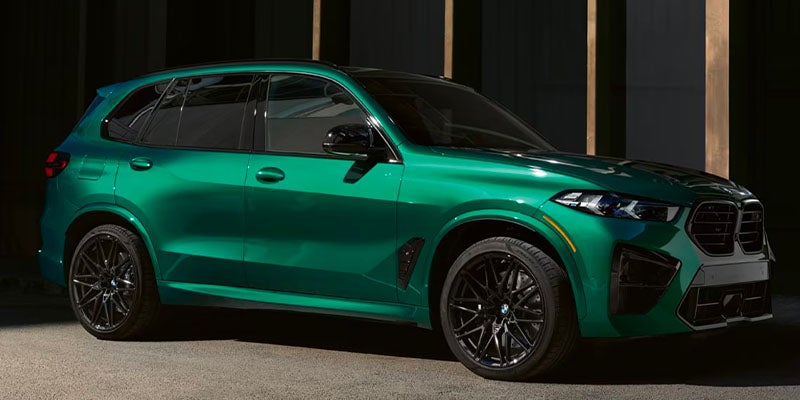
Leasing works best when the vehicle’s real world use matches how the contract is structured. For Jacksonville drivers comparing the BMW X5 and BMW 5 Series, the decision is less about SUV versus sedan preference and more about how each vehicle behaves under a lease when mileage, depreciation, and daily driving patterns are factored in. Both models lease well for different reasons, but they support different usage profiles. Understanding how BMW Financial Services structures leases and how each vehicle type absorbs wear, mileage, and depreciation helps drivers avoid common lease regret points. How BMW Leasing Is Structured at a System Level BMW leases are closed end contracts. That means the vehicle’s future value is predicted up front and built into the payment. Three variables matter most: Residual value The estimated value of the vehicle at lease end. Higher residuals generally support lower monthly payments. Mileage allowance Typically 10,000, 12,000, or 15,000 miles per year, with options to pre purchase additional mileage. Term length Most BMW leases run 36 months, which aligns with warranty coverage and predictable depreciation. Where drivers get into trouble is assuming all BMWs behave the same under these variables. They do not. more Why the BMW X5 and 5 Series Lease Differently BMW X5 Lease Behavior The X5 is one of BMW’s highest demand vehicles nationally, and that demand supports strong residual values for an SUV. However, real world usage patterns affect lease outcomes more aggressively. Key lease characteristics of the X5: Higher starting MSRP, but demand supports residual strength Heavier vehicle weight, which affects tires, brakes, and wear More frequent passenger and cargo use, increasing interior and suspension wear Higher likelihood of AWD, which improves resale appeal but can increase operating costs For Jacksonville drivers, the X5 often fits households that: Drive mixed highway and suburban routes Carry passengers or cargo regularly Want ride height and road presence for daily commuting Accumulate moderate annual mileage rather than extended highway miles Because the X5 absorbs depreciation differently, mileage planning becomes critical. Over mileage penalties on an SUV can feel more expensive because replacement costs at lease end tend to be higher. BMW 5 Series Lease Behavior The 5 Series benefits from sedan efficiency and predictable depreciation. While sedans generally depreciate faster than SUVs in long term ownership, leasing isolates that risk. Key lease characteristics of the 5 Series: Lower curb weight, reducing wear on consumables Highway efficiency, which matters for longer daily commutes Interior usage patterns that remain consistent Professional and commuter demand supporting lease cycles For Jacksonville drivers, the 5 Series often suits: Longer highway commutes Consistent daily mileage Drivers prioritizing ride comfort and efficiency Lower tolerance for wear related lease end charges Sedans typically return more predictable lease outcomes when mileage is accurately planned. The 5 Series rewards drivers who stay within contracted miles and maintain steady usage. Mileage Planning Is the Real Decision Point Across BMW leasing SERPs, mileage regret appears more than any other issue. Jacksonville’s geographic sprawl makes this especially relevant. Important mileage considerations: Daily commute distance multiplied over 36 months Weekend driving habits Regional driving consistency year round Road trip frequency BMW allows mileage to be structured up front. Pre purchasing mileage is almost always cheaper than paying over mileage penalties at lease end. Typical over mileage penalties apply per mile, and exceeding the contract by several thousand miles can erase any monthly payment advantage. Drivers choosing the X5 should be conservative with mileage estimates. Drivers choosing the 5 Series can often match mileage more precisely due to predictable commute patterns. Lease Term Length and Vehicle Type Alignment Most BMW leases perform best at 36 months, but vehicle type influences why. X5 at 36 months Aligns with strong residual performance and limits exposure to higher maintenance wear 5 Series at 36 months Maximizes technology relevance while avoiding deeper depreciation cycles Shorter lease terms can increase monthly payments without delivering meaningful advantages unless driving habits are highly uncertain. Wear, Maintenance, and Lease End Reality BMW leases do not include unlimited wear forgiveness. How a vehicle is used matters. SUV specific wear considerations: Tire replacement frequency Brake wear due to weight Interior wear from family or cargo use Sedan specific wear considerations: Lower tire and brake stress Less suspension fatigue More predictable interior condition Drivers choosing an X5 lease should factor wear protection more seriously than those choosing a 5 Series lease, especially for family driven vehicles. Which Lease Path Fits Jacksonville Drivers Better Neither vehicle is universally better. The lease fit depends on usage alignment. The BMW X5 lease supports drivers who: Want flexibility and space Accept slightly higher wear exposure Plan mileage carefully Value SUV demand supporting residuals The BMW 5 Series lease supports drivers who: Drive longer daily distances Want predictable lease outcomes Prioritize efficiency and comfort Prefer lower wear risk When lease structure matches real world behavior, both vehicles deliver strong value. When it does not, dissatisfaction usually shows up at lease end rather than during ownership. Final Decision Framework Before choosing between the BMW X5 and 5 Series lease paths, Jacksonville drivers should evaluate: Daily mileage reality, not estimates Passenger and cargo frequency Driving environment consistency Tolerance for wear related charges Leasing works when the contract mirrors how the vehicle will actually be used. The more accurately that match is made up front, the more satisfying the lease experience becomes.

What Jacksonville Buyers Should Know About BMW Maintenance Coverage

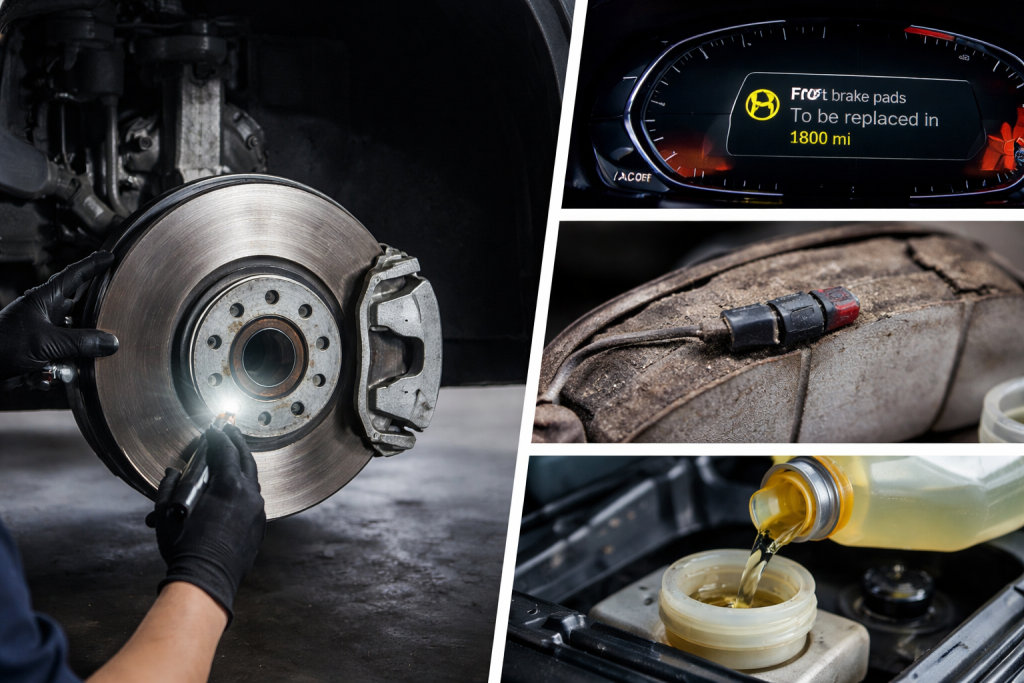
BMW ownership is often associated with performance, refinement, and advanced technology. What many Jacksonville buyers want clarity on is how BMW maintenance coverage works and how it affects long term ownership costs. BMW approaches maintenance differently than many brands by relying on condition based service rather than fixed mileage schedules. Understanding this system helps owners plan service intelligently instead of guessing or over servicing their vehicle. This overview explains what BMW maintenance coverage includes, how condition based service logic works, and what buyers should plan for over time. BMW Maintenance Coverage Versus Warranty Coverage One of the most common points of confusion is the difference between maintenance and warranty. Maintenance coverage applies to: Scheduled service items Wear related maintenance tasks Oil service and inspections Certain brake services depending on coverage terms Warranty coverage applies to: Defects in materials or workmanship Component failures outside normal wear Mechanical and electrical repairs Maintenance coverage is designed to handle predictable service needs. Warranty coverage addresses unexpected failures. They work together but serve different purposes. more How BMW Condition Based Service Works BMW does not use fixed service intervals like changing oil every set number of miles. Instead, vehicles are equipped with condition based service systems that monitor real time operating data. The system evaluates: Engine temperature cycles Driving patterns and load Idle time and short trip frequency Oil quality and engine operating conditions Brake wear sensors Based on this data, the vehicle calculates when service is actually required and alerts the driver through the instrument cluster or infotainment display. BMW Oil Change Intervals Explained Oil service timing is one of the most frequently searched BMW maintenance topics. With condition based service: Oil change intervals vary by driving behavior Highway driving often extends intervals Short trips and stop and go driving shorten intervals Engine load and temperature impact oil degradation For Jacksonville drivers, frequent city driving, traffic congestion, and warm temperatures can influence oil service timing. The vehicle adjusts recommendations automatically rather than relying on a universal mileage number. What BMW Maintenance Coverage Typically Includes BMW maintenance coverage focuses on scheduled service items during the coverage period. Common inclusions are: Engine oil and filter changes Brake fluid service Vehicle inspections Certain brake pad and rotor services depending on plan Service system resets and updates Coverage specifics can vary by model year and plan type, which is why understanding the vehicle’s coverage terms matters. What Is Not Included in Maintenance Coverage Maintenance coverage does not include everything. Items commonly excluded are: Tires Windshield wipers Cosmetic wear Damage related repairs Repairs outside normal maintenance These exclusions are standard across most manufacturers and should be factored into ownership planning. Brake Service and Wear Variability Brake service timing varies more than many owners expect. Factors that affect brake wear include: Driving style and braking habits City versus highway driving Vehicle weight and performance level Traffic patterns Condition based service monitors brake wear electronically and alerts drivers when service is needed. This prevents premature replacement while ensuring safety is maintained. Why Dealer Service Matters for BMW Maintenance Modern BMWs rely on software driven service systems. Dealer service departments: Use BMW specific diagnostic tools Properly reset condition based service indicators Apply software updates when required Follow BMW service procedures Servicing the vehicle correctly ensures the system continues to calculate service needs accurately over time. Service Plans and Long Term Ownership Planning After included maintenance coverage ends, owners often consider service plans to manage future costs. Service plans can: Lock in service costs over time Reduce variability in maintenance expenses Support budgeting for long term ownership Align with condition based service recommendations For buyers planning to keep their BMW beyond the initial coverage period, service plans can provide predictability rather than reacting to individual service events. Jacksonville Driving Considerations Local driving conditions influence maintenance needs. In Jacksonville: Heat impacts fluid longevity Traffic affects brake wear Humidity influences vehicle components Daily commuting patterns shorten certain service intervals Condition based service accounts for these factors automatically, which is why BMW maintenance schedules adapt rather than follow fixed rules. Maintenance Coverage as an Ownership Tool BMW maintenance coverage is not about minimizing service visits. It is about optimizing them. By servicing the vehicle when data indicates it is needed, BMW helps protect engine health, drivetrain longevity, and overall performance without unnecessary maintenance. Final Ownership Perspective BMW maintenance coverage is built around intelligent monitoring rather than rigid schedules. For Jacksonville buyers, understanding condition based service logic, what coverage includes, and how service plans fit into long term ownership allows for confident planning and predictable costs. When used as intended, BMW maintenance coverage supports performance, reliability, and ownership clarity over time.

BMW Driver Assistance Systems Explained for Daily Commuters

Daily commuting places unique demands on both drivers and vehicles. Stop and go traffic, highway cruising, lane changes, and tight parking situations all require constant attention. BMW driver assistance systems are designed to support drivers in these scenarios by reducing workload and increasing situational awareness. These systems do not replace the driver. Instead, they operate as layered support tools that rely on cameras, radar, and sensor data to assist with routine driving tasks. Understanding how these systems work and where their limits exist helps commuters use them effectively and confidently. The Foundation of BMW Driver Assistance Technology BMW driver assistance systems are built on sensor fusion. This means multiple sensors work together to interpret the driving environment in real time. Core sensor types include: Forward facing cameras that identify lane markings, traffic signs, and vehicles Radar sensors that measure distance and closing speed Ultrasonic sensors used for close range detection during parking Vehicle motion sensors that track steering input, yaw, and speed By combining these inputs, the vehicle builds a continuously updated picture of its surroundings. more Adaptive Cruise Control for Highway Commuting BMW adaptive cruise control is designed to maintain a set speed while automatically adjusting to traffic flow. In real world commuting, the system can: Maintain a consistent following distance Reduce speed smoothly when traffic slows Resume speed when the lane ahead clears Assist during stop and go highway congestion Radar sensors monitor vehicles ahead while cameras confirm lane context. The system prioritizes smooth deceleration and acceleration to maintain comfort and predictability. Limitations to be aware of include: Reduced effectiveness in heavy rain or fog Dependence on clearly detectable vehicles ahead Driver responsibility for steering and situational awareness Lane Keeping Assist and Steering Support Lane keeping assist supports steering input by monitoring lane markings and vehicle position within the lane. Key behaviors include: Gentle steering corrections to help center the vehicle Warnings if the vehicle drifts without a turn signal Steering support that works in conjunction with adaptive cruise control on certain roadways The system relies heavily on camera visibility. Faded lane lines, construction zones, or poor lighting can reduce effectiveness. Drivers should treat steering assistance as guidance rather than control. Traffic Jam Assistance and Low Speed Support In dense traffic, BMW driver assistance systems help reduce fatigue. At lower speeds, the system can: Maintain distance to the vehicle ahead Assist with steering in slow moving traffic Reduce constant pedal input during congestion Driver monitoring systems ensure the driver remains attentive. If attention lapses or conditions change, the system will prompt the driver to resume full control. Parking Assistance in Urban Environments Parking assistance systems are designed for precision at low speeds rather than automation. BMW parking assistance uses: Ultrasonic sensors to detect obstacles Cameras to provide overhead and surround views Steering control to guide the vehicle into spaces The driver remains responsible for braking and monitoring surroundings. These systems are especially useful in tight urban parking situations where visibility is limited. How Driver Monitoring Supports Safety BMW driver assistance includes monitoring systems that track driver engagement. These systems can: Detect hands on the steering wheel Monitor driver attentiveness Issue alerts if attention drops Disengage assistance if input is not detected This ensures driver assistance remains a support function rather than an autonomous system. Environmental and Operational Limits Driver assistance performance depends on environmental conditions. Factors that affect system operation include: Heavy rain, fog, or glare Poor road markings Construction zones Sharp curves or complex intersections When conditions fall outside operating parameters, systems may disengage and return full control to the driver. Driver Assistance Versus Autonomous Driving BMW driver assistance systems are not self driving. Important distinctions include: Systems assist but do not make decisions independently Driver responsibility remains at all times Steering and braking support is conditional Human oversight is always required Understanding this distinction helps drivers use the systems appropriately and safely. Daily Commuter Benefits For commuters, the value of driver assistance lies in consistency and reduced fatigue. Benefits include: Smoother highway travel Reduced stress in traffic Improved awareness during lane changes Greater confidence in tight parking environments These systems enhance daily driving without removing the driver from the process. Ownership Perspective BMW driver assistance systems are engineered to support daily commuting through intelligent sensor integration and thoughtful system design. When used as intended, they help drivers manage routine driving demands more comfortably and confidently. Understanding how the systems work and respecting their limits ensures they remain effective tools rather than misunderstood technology.

How BMW xDrive Handles Wet and Coastal Florida Roads

Driving conditions in coastal Florida are defined less by elevation or snow and more by sudden rainfall, standing water, slick pavement, and high humidity. In Jacksonville and surrounding areas, roads can transition from dry to saturated within minutes, especially during summer storms. BMW xDrive is engineered to manage these changing conditions through continuous sensor input and predictive torque distribution rather than reactive wheel slip correction alone. Understanding how xDrive works in wet environments helps drivers evaluate what the system can and cannot do, and why it behaves differently from traditional all wheel drive systems. The Engineering Philosophy Behind BMW xDrive BMW xDrive is a fully active all wheel drive system designed to support stability, balance, and controlled power delivery. Unlike basic AWD systems that react only after wheel slip occurs, xDrive continuously analyzes vehicle behavior in real time. The system monitors: Wheel speed at each corner Steering angle input Throttle position Yaw rate and lateral acceleration Vehicle speed relative to road conditions By processing this data continuously, xDrive can anticipate traction loss and adjust torque distribution before instability becomes noticeable to the driver. Torque Distribution on Wet Pavement On dry roads, BMW vehicles prioritize rear wheel drive characteristics to preserve steering precision and driving balance. In wet conditions, xDrive shifts torque proactively to maintain stability. In heavy rain or on slick pavement, the system can: Redirect torque toward the axle with greater grip Reduce power delivery to wheels approaching slip Maintain forward momentum without abrupt intervention Support smoother acceleration from a stop Torque distribution changes occur in milliseconds and are seamless. The driver does not feel a handoff between axles. Instead, the vehicle remains composed even when surface traction varies across lanes or road surfaces. How xDrive Works With Stability and Traction Control xDrive does not operate in isolation. It works in coordination with BMW Dynamic Stability Control and traction management systems. Together, these systems can: Brake individual wheels to correct yaw or oversteer Limit engine torque when grip is reduced Stabilize the vehicle during cornering on wet roads Support directional control during evasive maneuvers This integration is particularly valuable during Florida rainstorms when road camber, painted lane markings, and standing water can create uneven traction across the vehicle. Wet Road Cornering and Steering Behavior One of the advantages of xDrive in wet conditions is how it preserves steering response. During cornering on damp or saturated pavement: Torque can be shifted rearward or forward to stabilize the chassis Steering input remains linear rather than vague or delayed The vehicle resists understeer caused by front wheel slip Power delivery is smoothed to prevent sudden loss of grip This behavior is especially noticeable during highway on ramps and curved coastal roads where water accumulation can vary across the surface. Standing Water and Hydroplaning Reality It is important to understand the limits of any all wheel drive system in standing water. xDrive can: Help maintain stability during light water accumulation Support controlled acceleration on wet surfaces Reduce sudden wheel spin during throttle input xDrive cannot: Shorten braking distance on wet pavement Override tire grip limitations Prevent hydroplaning once tires lose contact with the road surface Hydroplaning is primarily influenced by tire condition, tread depth, speed, and water depth. AWD systems manage power delivery, not braking or tire contact with the road. Tire Selection and xDrive Performance Tires play a critical role in how effectively xDrive performs in wet conditions. Factors that influence wet road handling include: Tread depth and water evacuation design Rubber compound performance in warm, wet climates Tire width and contact patch behavior Proper inflation for consistent road contact Even the most advanced AWD system depends on tire grip to function as intended. Worn or improperly inflated tires reduce the effectiveness of xDrive in heavy rain. Coastal Climate Considerations Coastal Florida environments introduce additional factors that affect vehicle handling. These include: Frequent exposure to rain and humidity Slick road surfaces caused by oil buildup after dry periods Sudden weather changes during warm months Salt air exposure near coastal roads xDrive supports stability in these conditions by continuously adjusting torque distribution rather than relying on preset modes or manual driver input. AWD Versus xDrive in Wet Conditions While many vehicles offer all wheel drive, xDrive differs in how it prioritizes balance and prediction. Key distinctions include: Proactive torque management rather than reactive correction Integration with steering and yaw sensors Rear wheel drive bias under normal conditions Continuous adjustment rather than fixed torque splits This approach aligns well with wet road environments where traction changes rapidly and unpredictably. Practical Driving Benefits for Florida Drivers For Jacksonville drivers, the benefits of xDrive show up in everyday scenarios rather than extreme conditions. These include: Confident acceleration during heavy rain Stable lane changes on wet highways Predictable handling during sudden downpours Reduced driver workload in changing conditions The system works quietly in the background, supporting the driver without requiring additional input or adjustments. Ownership Perspective BMW xDrive is engineered to support control and stability in environments where traction varies moment to moment. In coastal Florida, where rain and slick pavement are common, the system’s sensor driven torque distribution helps maintain composure during acceleration and cornering. While no drivetrain can overcome physics in standing water, xDrive provides a refined and effective layer of support that aligns with the realities of wet road driving.

Why Jacksonville Drivers Explore BMW X3 and X5 Lease Options

Leasing remains one of the most common ownership paths for BMW SUV drivers, especially in markets like Jacksonville where daily driving blends commuting, highway travel, and year-round use without extreme weather constraints. For shoppers considering the BMW X3 or BMW X5, leasing is less about short-term affordability and more about how depreciation, technology cycles, and usage patterns intersect over time. Understanding why these two models lease so well requires looking beyond monthly payment estimates and into how BMW structures leases at a technical level. How BMW Leasing Works at a Structural Level A BMW lease is built around three core variables that determine the monthly payment: Depreciation: the portion of the vehicle’s value you use during the lease term Residual value: the projected value of the vehicle at lease end Money factor: the financing component of the lease, similar to an interest rate Rather than paying down the full vehicle price as in a loan, a lease covers only the expected depreciation during the lease period. BMW models tend to retain value well, especially SUVs, which allows a smaller portion of the vehicle’s total value to be financed during the lease. more Why Residual Values Matter for BMW X3 and X5 Residual value is one of the biggest reasons Jacksonville drivers explore X3 and X5 leases. BMW SUVs typically benefit from: Strong resale demand in the luxury crossover and SUV segments Predictable market performance across trim levels Balanced design cycles that age well visually and mechanically Higher residual values reduce the depreciation portion of a lease, which directly lowers monthly payments. This is why a BMW X5, despite its higher MSRP, can lease more competitively than expected when residual strength offsets initial cost. Leasing the BMW X3: Efficient Luxury Flexibility The BMW X3 sits at the center of BMW’s SUV lineup and is often viewed as an ideal lease vehicle for drivers who want premium refinement without unnecessary size or complexity. Leasing characteristics that favor the X3 include: Lower overall depreciation exposure due to strong demand Efficient size for daily urban and suburban driving Technology packages that align well with typical lease terms Balanced powertrain options that support predictable long-term value For Jacksonville drivers who average moderate annual mileage and prioritize ease of ownership, the X3 lease structure aligns well with daily use while minimizing long-term commitment. Leasing the BMW X5: Technology and Capability Without Long-Term Risk The BMW X5 appeals to drivers who want additional space, performance, and feature depth. Leasing becomes attractive because it limits exposure to long-term depreciation on higher-content vehicles. Key lease considerations for the X5 include: Higher residual values relative to its segment Strong demand for luxury midsize SUVs in secondary markets Advanced driver assistance and infotainment systems that evolve quickly Powertrain complexity that benefits from shorter ownership cycles Leasing allows drivers to enjoy the full capability of the X5 while aligning ownership with BMW’s technology update cadence. Mileage Planning and Jacksonville Driving Patterns Mileage selection is one of the most important decisions in a BMW lease and is often underestimated. Factors Jacksonville drivers should consider: Daily commute length and frequency Highway versus city driving mix Weekend travel habits Seasonal mileage variation Choosing mileage that realistically matches driving behavior prevents excess wear charges and unexpected end-of-lease costs. BMW lease structures offer flexibility, but accurate planning matters more than minimizing upfront payments. Maintenance and Ownership Predictability BMW leases often include scheduled maintenance coverage during the lease term, which changes the ownership equation. Benefits include: Reduced variability in service costs Predictable ownership expenses Service performed to BMW specifications Less concern about long-term wear items For many lessees, this consistency is as valuable as the payment structure itself. Lease Versus Purchase for BMW SUV Drivers Leasing tends to appeal to drivers who: Prefer driving newer vehicles more frequently Value updated safety and infotainment systems Want predictable ownership costs Avoid long-term depreciation exposure Purchasing may make sense for drivers who plan to keep a vehicle well beyond warranty coverage or who drive significantly above average mileage. For many Jacksonville BMW SUV shoppers, leasing aligns more closely with real-world usage patterns. Lease End Considerations At lease end, drivers typically have several options: Return the vehicle Purchase it at the residual value Transition into a new lease Understanding these outcomes upfront helps drivers choose lease terms that align with future flexibility rather than reacting to end-of-term decisions. Why X3 and X5 Leasing Fits the Jacksonville Market Jacksonville’s driving environment supports leasing because: Road conditions are generally stable year-round Vehicles accumulate consistent but manageable mileage Luxury SUVs remain in demand regionally Daily driving places more emphasis on comfort and technology than extreme capability These factors help preserve residual values and support competitive lease structures for both the X3 and X5. Final Leasing Perspective BMW X3 and X5 leases are shaped less by incentives and more by how BMW engineers vehicles to retain value, integrate technology, and support predictable ownership cycles. For Jacksonville drivers evaluating leasing, the real advantage lies in aligning payment structure, mileage planning, and technology turnover with how they actually drive. When those elements are matched correctly, leasing becomes a strategic ownership choice rather than a short-term financial decision.

BMW xDrive Systems Explained for Jacksonville Drivers

BMW xDrive is engineered to enhance confidence, control, and performance in real world driving rather than serve as a purely off road focused system. For Jacksonville drivers who regularly encounter heavy rain, standing water, highway speeds, and unpredictable traffic conditions, xDrive works continuously in the background to manage traction and stability before a loss of control ever becomes noticeable. Understanding how xDrive functions explains why BMW all wheel drive vehicles feel composed and predictable instead of reactive or intrusive. What BMW xDrive Actually Is BMW xDrive is a fully variable all wheel drive system designed around predictive torque distribution. Rather than waiting for wheel slip to occur, xDrive anticipates traction needs by monitoring vehicle behavior in real time. Core system inputs include: Wheel speed sensors Steering angle Throttle position Yaw rate and lateral acceleration Vehicle speed and load conditions These inputs allow the system to distribute torque dynamically between the front and rear axles before traction is compromised. Predictive Torque Distribution Versus Reactive AWD Many all wheel drive systems react after wheel slip is detected. BMW xDrive operates differently by acting preemptively. xDrive advantages include: Torque distribution adjustments before wheel slip occurs Reduced need for abrupt braking interventions Smoother vehicle response during acceleration Greater stability during lane changes and cornering This predictive behavior is especially valuable during sudden downpours or when transitioning between dry and wet pavement common on Florida roads. Rear Bias Design and BMW Driving Dynamics BMW xDrive is engineered with a rear bias to preserve the brand’s driving character. Under normal conditions, power is sent primarily to the rear wheels to maintain balanced handling and steering feel. Rear bias behavior supports: Natural steering response Improved acceleration balance Reduced understeer compared to front biased systems A driving feel consistent with rear wheel drive BMW models When additional traction is needed, xDrive seamlessly redirects torque to the front axle without disrupting the driving experience. Integration With BMW Stability and Traction Systems xDrive does not operate independently. It works in coordination with BMW Dynamic Stability Control and traction management systems. System integration allows: Fine torque adjustments instead of heavy braking intervention Controlled power delivery during corner exit Improved stability during emergency maneuvers Predictable behavior when road conditions change quickly By managing torque rather than relying solely on brakes, xDrive maintains momentum and control simultaneously. Performance Benefits Beyond Traction While xDrive improves traction, it also enhances performance dynamics in everyday driving. Performance related benefits include: Improved acceleration on wet surfaces Greater confidence during highway merging Stability during high speed lane changes Reduced wheel spin under throttle input These benefits are noticeable even during normal driving, not just in adverse conditions. xDrive in Rain and Wet Florida Conditions Florida driving presents unique challenges. Sudden rainstorms, standing water, and slick road surfaces demand immediate traction management. xDrive supports wet weather driving by: Adjusting torque distribution instantly during throttle input Maintaining directional stability through corners Reducing hydroplane related instability during acceleration Supporting controlled braking and steering inputs For Jacksonville drivers, this translates to calmer vehicle behavior when conditions deteriorate quickly. Fuel Efficiency and xDrive Operation xDrive is designed to balance performance and efficiency. The system does not permanently engage all four wheels at full output unless conditions require it. Efficiency considerations include: Variable torque distribution rather than constant engagement Reduced driveline losses during steady cruising Intelligent disengagement when additional traction is unnecessary This approach minimizes efficiency penalties while preserving traction benefits. How xDrive Feels in Daily Driving One of the defining characteristics of xDrive is how unobtrusive it feels. Most drivers rarely notice when the system is actively adjusting torque. Daily driving impressions include: Smooth acceleration without wheel spin Stable steering feel during sudden inputs Confidence during heavy rain without harsh intervention Seamless operation that does not distract the driver xDrive is designed to support the driver rather than announce its presence. xDrive Versus Traditional AWD Systems Not all all wheel drive systems serve the same purpose. BMW xDrive prioritizes on road performance and safety rather than low speed off road use. Key distinctions include: Performance oriented torque management Integration with chassis and steering systems Rear biased behavior for driving engagement Predictive rather than reactive operation This makes xDrive particularly well suited for drivers who value control and confidence on paved roads. Do Jacksonville Drivers Need xDrive xDrive is not required for every driver, but it offers meaningful advantages in certain situations. xDrive may be especially beneficial for drivers who: Regularly drive in heavy rain Commute on highways at higher speeds Prefer added confidence during sudden maneuvers Value stable acceleration in variable conditions For drivers prioritizing composed on road performance, xDrive adds reassurance without sacrificing BMW driving dynamics. What to Evaluate When Choosing xDrive When deciding whether xDrive is the right choice, drivers should evaluate: Typical driving conditions Comfort level during wet weather Preference for rear wheel drive versus added traction Driving style and confidence priorities Understanding how the system behaves is more important than focusing on labels like AWD alone. Final Perspective on BMW xDrive BMW xDrive represents a refined approach to all wheel drive engineering. By combining predictive torque distribution, rear biased performance tuning, and deep integration with stability systems, xDrive enhances confidence without diluting the driving experience. For Jacksonville drivers facing unpredictable weather and high speed travel, BMW xDrive delivers traction and control that feels natural, balanced, and quietly capable. It is not about conquering terrain. It is about maintaining confidence when conditions change.

BMW Lease Options Explained for Jacksonville Drivers Considering X3 and X5 Models

Leasing a BMW is a strategic ownership choice built around how value, technology, and usage intersect over time. For Jacksonville drivers deciding between the BMW X3 and BMW X5, understanding how leasing works at a mechanical and financial level helps clarify which model aligns best with daily driving needs rather than simply comparing monthly payments. This guide explains how BMW leases are structured, how the X3 and X5 differ in lease efficiency, and what drivers should evaluate before committing to either SUV. How BMW Leasing Works at a Fundamental Level A lease is not a discounted purchase. It is a calculated agreement based on depreciation, usage, and time. Instead of paying for the entire vehicle, lessees pay for the portion of value expected to be used during the lease term. Core elements of a BMW lease include: Capitalized cost, which reflects the negotiated vehicle price Residual value, the projected worth of the vehicle at lease end Money factor, representing the cost of financing Lease term length, commonly 24 to 36 months Mileage allowance tied to expected annual driving The difference between the capitalized cost and the residual value determines depreciation, which forms the foundation of the monthly payment. Why Residual Value Shapes X3 and X5 Lease Payments Residual value is the single most influential factor in lease efficiency. Vehicles that hold value well reduce depreciation costs over the lease term. The BMW X3 and X5 behave differently due to their design and market positioning: X3 benefits from strong demand in the compact luxury SUV segment X3 size and efficiency support broader resale appeal X5 commands a higher starting price due to size and capability X5 depreciation reflects greater mass and complexity Because the X3 appeals to a wider range of buyers and requires fewer resources to operate, it often leases more efficiently than the X5. Vehicle Size and Engineering Impact on Leasing Engineering choices influence leasing more than many drivers realize. Size, weight, and component load affect wear patterns and long term value. Engineering differences between the X3 and X5 include: X3 lighter curb weight supports efficiency and reduces component stress X5 larger chassis supports increased passenger and cargo capacity X5 requires larger tires and braking systems due to mass X3 favors agility and daily maneuverability For drivers primarily commuting or navigating urban traffic, these factors can make the X3 feel more proportionate to real use. Mileage Planning and Jacksonville Driving Habits Mileage allowances are central to lease planning. Exceeding agreed mileage results in additional charges at lease end. Typical BMW mileage options include: 10,000 miles per year 12,000 miles per year 15,000 miles per year X3 lessees often choose moderate mileage allowances due to commuter focused use. X5 lessees may require higher allowances if the vehicle serves as a family transporter or road trip vehicle. Choosing the right mileage upfront prevents unnecessary end of lease costs. Technology Cycles and Lease Strategy BMW vehicles integrate rapidly advancing technology across driver assistance, infotainment, and digital interfaces. Leasing allows drivers to access these updates without committing long term. Technology considerations include: X3 technology emphasizes daily convenience and efficiency X5 includes additional systems tied to size and comfort Leasing supports frequent upgrades as technology evolves Warranty coverage typically aligns with lease terms For drivers who value staying current with BMW innovations, leasing offers flexibility without long term commitment. Lease Versus Finance for X3 and X5 Owners Leasing and financing serve different ownership goals. Understanding which path fits usage patterns is critical. Leasing may be ideal for drivers who: Want predictable monthly costs Prefer warranty coverage throughout ownership Drive within defined mileage limits Plan to change vehicles every few years Financing may suit drivers who: Intend to keep the vehicle long term Drive higher annual mileage Want to eliminate payments over time Value ownership flexibility beyond lease terms The X3 often aligns well with leasing due to balanced depreciation. The X5 may appeal more to buyers planning extended ownership to fully utilize its capability. Driving Dynamics and Lease Value Retention Driving behavior influences vehicle condition at lease end. BMW engineering supports predictable wear and stability, which aligns with leasing assumptions. Engineering traits that support lease performance include: Balanced chassis tuning that reduces uneven tire wear Smooth torque delivery that minimizes drivetrain stress Suspension calibration designed for stability under load Braking systems sized to manage vehicle mass consistently These factors help preserve vehicle condition across lease cycles. What Jacksonville Drivers Should Evaluate Before Leasing Before choosing between the X3 and X5, drivers should evaluate: Daily commute distance and traffic conditions Passenger and cargo requirements Parking and maneuverability preferences Expected annual mileage Desire for flexibility versus long term ownership Selecting a vehicle that matches real use is more important than choosing the largest or most powerful option. Why BMW Lease Programs Appeal to SUV Drivers BMW leasing programs are designed around realistic ownership patterns. Residual values, mileage structures, and term options reflect how drivers actually use their vehicles rather than marketing assumptions. This approach benefits drivers who want: Transparent cost expectations Structured ownership planning Predictable transitions between vehicles Leasing becomes a practical tool rather than a short term incentive. Final Perspective on BMW X3 and X5 Lease Options Leasing a BMW X3 or X5 is about aligning engineering, usage, and value over time. The X3 offers a nimble, efficient leasing option well suited for daily driving and commuting. The X5 delivers additional space and capability that may justify higher lease costs for drivers who regularly use those advantages. For Jacksonville drivers comparing these two BMW SUVs, understanding how size, depreciation, and technology cycles affect leasing decisions ensures a choice rooted in practicality and long term confidence.

Understanding 2025 BMW Performance Engineering for Daily Driving

BMW performance engineering is often discussed in the context of speed and sportiness, but its real value shows up in everyday driving. The way a BMW accelerates from a stoplight, holds its line on the highway, or responds to steering input during a commute reflects engineering decisions made to support control, predictability, and confidence rather than peak numbers alone. For Jacksonville drivers navigating highways, surface streets, and changing traffic patterns, this approach makes performance relevant even at normal speeds. Understanding BMW performance means looking at how the vehicle is engineered as a complete system rather than focusing on individual components. Performance as an Integrated Engineering System BMW does not treat performance as a single attribute. It is the result of how multiple systems work together under real driving conditions. Key elements of BMW performance engineering include: Balanced weight distribution to support neutral handling A low center of gravity to improve stability Rigid chassis construction that allows precise suspension tuning Powertrain calibration designed for smooth and usable output This system level focus ensures that performance is accessible and beneficial in daily use rather than reserved for aggressive driving. Chassis Balance and Vehicle Control Chassis balance is foundational to how a BMW feels on the road. Proper weight distribution allows the vehicle to respond consistently to steering, braking, and acceleration inputs. Benefits of BMW chassis balance include: Predictable handling during lane changes Reduced body roll through curves Stable braking under varying loads Confident behavior at highway speeds For daily driving, this translates to a vehicle that feels settled and composed rather than reactive. Suspension Tuning for Real Roads BMW suspension systems are tuned to handle imperfect road surfaces without isolating the driver from feedback. Rather than relying on overly soft settings, BMW focuses on maintaining tire contact and controlled body movement. Suspension tuning priorities include: Absorbing bumps without excessive rebound Maintaining traction on uneven pavement Supporting confident cornering without harshness Preserving ride comfort over long distances This balance is especially noticeable on Florida roads where surface conditions can vary widely. Steering Precision and Driver Feedback Steering is one of the most direct connections between the driver and the vehicle. BMW engineers steering systems to provide clarity and consistency rather than exaggerated response. Steering characteristics include: Linear response that matches driver input Stable on center feel for straight line driving Progressive feedback as cornering loads increase Minimal correction required at highway speeds These traits reduce driver fatigue and improve confidence during everyday travel. Powertrain Engineering for Daily Use BMW engines are designed to deliver usable torque across a broad range of speeds. Turbocharging is employed to enhance responsiveness without requiring high engine speeds. Powertrain design focuses on: Smooth acceleration from low speeds Strong midrange power for passing and merging Efficient cruising behavior Reduced mechanical stress during normal driving This makes BMW performance noticeable during routine situations rather than only during spirited driving. Transmission Calibration and Smooth Operation Transmission behavior plays a significant role in daily drivability. BMW calibrates transmissions to work seamlessly with engine output and driving conditions. Transmission characteristics include: Timely gear changes that avoid hesitation Smooth downshifts that support controlled deceleration Intelligent gear selection based on driving style Reduced gear hunting in traffic The result is a driving experience that feels cohesive and refined. Performance Benefits in Highway Driving Jacksonville drivers often spend extended time on highways. BMW performance engineering supports stability and comfort during these conditions. Highway focused benefits include: Strong straight line tracking Reduced wind and road noise Confident response during passing maneuvers Minimal steering correction at speed These attributes make daily commutes and longer drives less tiring and more controlled. Daily Drivability Versus Track Focus BMW performance engineering is not designed solely for track use. Instead, it prioritizes consistency and confidence across all driving scenarios. This approach benefits drivers by: Enhancing safety through predictability Supporting smooth operation in traffic Improving comfort without sacrificing engagement Making performance accessible without specialized driving skills Performance becomes a quality that enhances every drive rather than a feature reserved for extremes. Why Performance Matters Even at Normal Speeds Performance engineering influences how a vehicle responds to routine inputs. Smooth braking, controlled acceleration, and stable handling all stem from the same principles that define BMW performance. In daily driving, this means: Reduced stress in traffic Greater confidence during unexpected situations Easier control in changing conditions A more enjoyable driving experience overall Performance is felt through refinement as much as responsiveness. What Jacksonville Drivers Should Evaluate When evaluating performance for daily driving, shoppers should consider: How the vehicle feels during normal acceleration Steering confidence at highway speeds Ride comfort on local roads Stability during lane changes and braking Overall driver confidence rather than raw power BMW performance engineering is best judged by how naturally the vehicle responds in everyday use. Final Perspective on BMW Performance Engineering BMW performance engineering for 2025 models reflects a disciplined approach focused on control, balance, and real world usability. By integrating chassis tuning, steering precision, suspension design, and powertrain calibration, BMW creates vehicles that feel confident and engaging without sacrificing comfort. For Jacksonville drivers who want performance that enhances daily driving rather than overwhelming it, BMW delivers engineering that works quietly and consistently in the background. Performance becomes a source of reassurance and enjoyment every time the road opens up.

BMW iDrive and Intelligent Cabin Systems Explained for Jacksonville Drivers

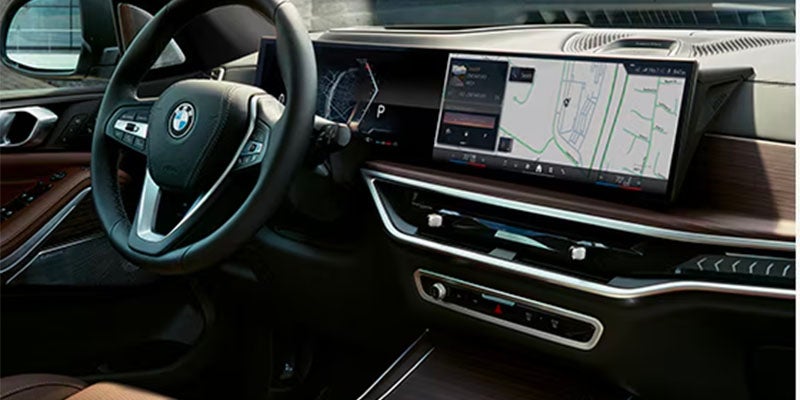
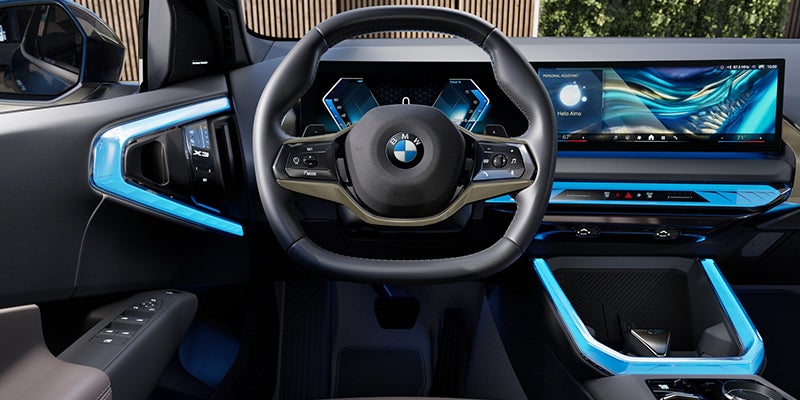
BMW iDrive is not simply an infotainment screen. It is the operating system of the vehicle’s cabin, designed to manage navigation, communication, vehicle settings, driver assistance interaction, and personalization through a unified control logic. For Jacksonville drivers who spend time in highway traffic, suburban commuting, and longer coastal drives, understanding how iDrive works explains why BMW cabins feel intuitive rather than overwhelming. BMW approaches interior technology as an extension of driving dynamics. The goal is to reduce distraction, support decision making, and keep the driver connected to the vehicle rather than buried in menus. What BMW iDrive Actually Controls BMW iDrive functions as a centralized interface that connects multiple vehicle systems through one operating environment. Instead of separate systems competing for attention, iDrive coordinates information and controls into a consistent structure. BMW iDrive manages: Navigation and route guidance Media and communication functions Climate and comfort settings Driver assistance system configuration Vehicle performance and driving mode adjustments Personal driver profiles and preferences This consolidation is critical for minimizing cognitive load while driving. Human Machine Interface Design Philosophy BMW designs iDrive around human machine interface principles that prioritize muscle memory and glance efficiency. Rather than forcing all interaction through touch, BMW offers multiple input methods so drivers can choose what feels most natural. iDrive input methods include: Rotary controller with tactile feedback Touchscreen input when appropriate Steering wheel mounted controls Natural voice commands By allowing interaction without constant screen contact, BMW reduces eye off road time during real world driving. Why the Rotary Controller Still Matters While many manufacturers have removed physical controls entirely, BMW continues to use the rotary controller as a core input device. This is intentional. The rotary controller allows: Menu navigation without visual confirmation Precise selection while keeping hands stable Reduced distraction during highway driving Faster interaction once muscle memory develops For Jacksonville drivers dealing with stop and go traffic or long highway stretches, this control method supports safer interaction than pure touchscreen reliance. Digital Displays and Information Hierarchy BMW digital instrument clusters and central displays are designed with a clear information hierarchy. Important driving data remains closest to the driver’s line of sight, while secondary information is positioned where it can be accessed when needed. Display priorities include: Vehicle speed and critical alerts always visible Navigation prompts integrated into the instrument display Driver assistance status clearly indicated Media and secondary functions separated from core driving data This layout ensures the driver receives the right information at the right time. Navigation and Real World Driving Support BMW iDrive navigation is tightly integrated into the vehicle’s systems. Rather than acting as a standalone map, it communicates with driver assistance features and display logic. Navigation integration includes: Turn by turn guidance displayed in the instrument cluster Clear lane guidance for complex interchanges Predictive routing based on traffic patterns Smooth transitions between map views and driving data This is especially valuable in Jacksonville where highway interchanges and traffic flow can change quickly. Voice Control and Natural Interaction BMW voice control is designed to reduce the need for manual input. Natural language processing allows drivers to speak commands conversationally rather than memorizing phrases. Voice control can manage: Navigation destinations Climate adjustments Media selection Phone calls and messages Vehicle setting changes By shifting interaction from hands and eyes to voice, BMW supports safer operation during daily driving. Personalization and Driver Profiles BMW iDrive supports driver profiles that store preferences across multiple systems. This allows the vehicle to adapt automatically to different drivers. Driver profiles can retain: Seat and mirror positions Climate preferences Display layouts Navigation history Media and communication settings For households with multiple drivers, this reduces setup time and improves consistency. Integration with Apple CarPlay and Android Auto BMW iDrive supports smartphone integration while maintaining its own interface logic. Rather than replacing BMW’s system, smartphone platforms operate within it. Integration benefits include: Seamless transition between native BMW functions and smartphone apps Use of rotary controller and steering wheel controls Clear display formatting consistent with BMW design Reduced system conflicts between platforms This preserves the BMW cabin experience while supporting modern connectivity. How BMW iDrive Reduces Distraction Distraction reduction is built into iDrive at the system level. BMW evaluates how drivers interact with controls during motion and designs accordingly. Distraction minimizing features include: Limited menu depth for commonly used functions Context aware menu behavior Lockouts for complex interactions while driving Consistent control placement across models These choices help ensure technology supports driving rather than competing with it. Cabin Technology and Driving Dynamics Connection BMW does not treat cabin technology as separate from driving performance. Systems like driving modes, stability control feedback, and navigation cues are designed to work together. This integration allows: Clear feedback when vehicle dynamics change Predictable system behavior Driver confidence during varying road conditions A cohesive driving experience rather than fragmented systems Technology becomes part of the vehicle’s character rather than an add on. What Jacksonville Drivers Should Evaluate in Cabin Technology When evaluating in vehicle technology, drivers should look beyond screen size and feature counts. Important considerations include: Ease of use while driving Clarity of information presentation Balance between digital and physical controls Learning curve over long term ownership How well systems adapt to daily driving patterns BMW iDrive is designed to improve with familiarity rather than feel complicated over time. Final Perspective on BMW iDrive and Intelligent Cabin Systems BMW iDrive represents a mature approach to in vehicle technology. By focusing on human centered design, multi input flexibility, and system integration, BMW creates cabins that feel intelligent without being distracting. For Jacksonville drivers who value precision, clarity, and technology that enhances rather than interrupts driving, BMW iDrive delivers a digital experience grounded in engineering discipline. It is not about adding more screens. It is about making every interaction feel intentional, efficient, and connected to the drive itself.

2025 BMW # Series sedan

Six Reasons Drivers Love the 2025 BMW 3 Series

A sports sedan with luxury features, the 2025 BMW 3 Series offers outstanding performance, sumptuous comfort, and advanced technology. Here are some reasons why drivers love the BMW 3 Series. 1. Choice of Potent Powertrains There are two powertrains available that combine a traditional gas engine with an integrated mild-hybrid system. Although the cars can't be driven solely in electric mode, it means that you'll get maximum mileage and smooth, uninterrupted power from the engine. The base 330i trim comes with a 2.0-liter four-cylinder turbo engine that's supported by a 48V mild-hybrid. The performance-focused M340i has a 3.0-liter six-cylinder turbo engine, plus the same 48V mild-hybrid support. The two engines deliver 255 hp and 295 lb-ft of torque and 386 hp and 396 lb-ft of torque, respectively. 2. Generous Cargo Capacity Despite the sporty style of the 2025 3 Series, practicality hasn't been overlooked. In the trunk, there are 17 cubic feet of cargo space with the seats upright, which fits five suitcases. With the rear seats folded, the capacity increases to 17 suitcases. Additional packages provide the option to upgrade to either a power tailgate or a hands-free mechanism. more 3. Responsive Handling The suspension on the 2025 model has been updated to provide a comfortable yet sporty drive. New chassis tuning provides lighter steering and stiffer mounts that, when in Comfort mode, deliver agile handling without any reduction in ride quality. There is also the available M suspension that features damping that adjusts automatically in response to road conditions. 4. Advanced Safety Features Safety is well taken care of in the 3 Series with a comprehensive package of driver assistance features that are included as standard. These include pedestrian/cyclist detection, automatic emergency braking, forward-collision warning, and lane departure warning. Every model also comes with adaptive LED headlights for optimal visibility at night. Optional packages allow drivers to add adaptive cruise control, traffic jam assist, and evasive steering support. 5. Cutting-Edge Infotainment The BMW Curved Display is at the heart of the infotainment system and provides a contemporary, distinctive style. The display includes a 12.3-inch digital gauge cluster together with a 14.9-inch infotainment touchscreen. The BMW Operating System 8.5 runs the show and includes an integrated 5G eSim to provide full connectivity even without a phone. It also offers full compatibility with Apple CarPlay and Android Auto, plus a full range of customizable widgets. 6. Luxurious Cabin Every detail has been thought of inside the cabin to provide a comfortable and attractive interior. Contrast stitching, high-quality upholstery, and galvanic buttons complement ambient mood lights for a relaxing and sophisticated design. A power glass moonroof with a tilt and slide one-touch function are further examples of BMW's exquisite attention to detail. There are many more features to explore on the 2025 3 Series that you won't want to miss. Visit Tom Bush BMW Jacksonville in Jacksonville, FL for a test drive and experience precision engineering at its best.

Contact Us

Fill out this form below and we'll contact you shortly
*Required Fields