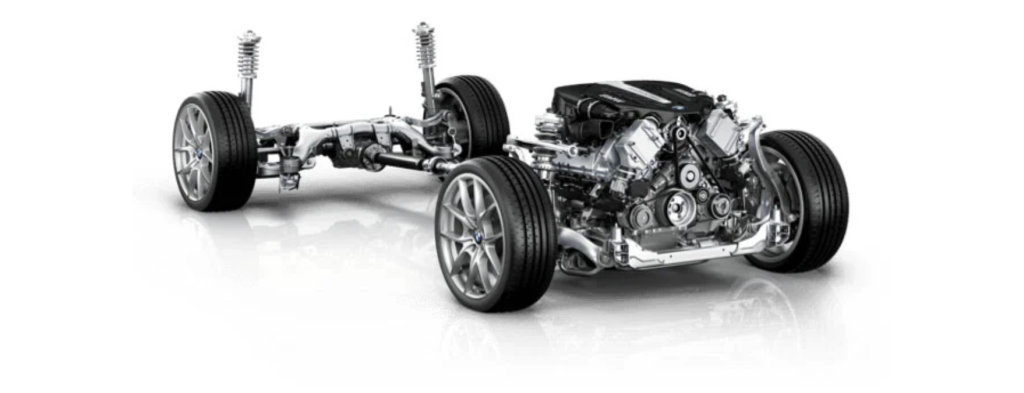



BMW maintenance becomes more important as mileage rises and service history grows longer. No single odometer number can predict how long every BMW will remain on the road. A well documented vehicle may age very differently from one with missed service or unresolved repairs. Therefore, Jacksonville owners should look beyond mileage alone. Oil care, cooling health, fluid age, battery testing, and service records all add useful context. A careful review shows what the car has received and what may need attention next. How Many Miles Can a BMW Last? How many miles can a BMW last? No single mileage figure applies to every BMW because service history and mechanical condition vary. Additionally, two cars can show the same odometer reading while having very different histories. Moreover, one may have regular oil service and prompt repairs. Another may have long gaps in maintenance or unresolved warning signs. Therefore, start with records before making assumptions from mileage. Review oil services, cooling repairs, fluid work, battery replacement, brake service, and inspection notes. In addition, note whether major repairs were completed when symptoms first appeared. Prompt repairs can prevent one issue from placing extra strain on nearby components. Furthermore, a higher mileage BMW also deserves a current inspection. Listen for unusual noises during startup and driving. Check for fluid leaks, warning lights, uneven tire wear, and changes in braking. Moreover, a diagnostic scan may uncover stored faults that are not obvious during a walkaround. Still, mileage matters because components accumulate cycles and wear. However, the odometer works best as one part of a larger mechanical record. Oil and Cooling Care Protect Major Engine Components Engine oil creates a lubricating film between moving metal surfaces. It also carries heat and contaminants away from critical areas. As oil ages, contamination and thermal stress can reduce how well it performs those jobs. Therefore, correct oil service remains a central part of BMW maintenance. Why does oil specification matter? BMW engines require oil that meets the correct viscosity and approval requirements. The wrong product may not provide the intended protection across temperature changes and engine loads. For this reason, owners should follow the specification listed for their exact BMW. In addition, cooling care deserves equal attention in Jacksonville. Coolant circulates through the engine and transfers heat toward the radiator. Pumps, hoses, thermostats, seals, and heat exchangers all take part in that process. A weak component can reduce temperature control before a major warning appears. Before an overheating event occurs, watch for coolant loss, visible residue, unusual temperature readings, or repeated low coolant messages. In addition, inspect hoses and connections during routine service. For this reason, these two areas protect different parts of the same engine. Oil reduces friction inside moving assemblies. Coolant carries excess heat away from hot engine areas. Brake Fluid and Battery Care Depend on Time Too Low annual mileage does not remove every maintenance need. Some service items change with age even when the odometer moves slowly. Brake fluid is one example because it can absorb moisture through the hydraulic circuit as it ages. Why does that matter? Added moisture can lower the fluid's boiling point and change braking response under heat. Therefore, brake fluid service should follow the applicable BMW schedule, not mileage alone. Additionally, battery health deserves attention as a BMW ages. The 12 volt battery supports starting and many electronic functions. Heat can accelerate chemical aging inside a battery. Jacksonville owners may therefore find battery testing useful before a weak unit causes starting trouble or electrical faults. A service visit can review several age sensitive areas at once. Ask for brake fluid history when records are incomplete, since elapsed time matters alongside mileage. Request battery testing when starting becomes slower or the battery's installation date is unknown. Review coolant history and visible connections when the car has spent years in sustained Florida heat. These checks do not predict a fixed lifespan. Instead, they show whether time based service has kept pace with the vehicle's age. Service Records Tell a Larger Story Moreover, service records can reveal far more than a mileage number. They show whether routine work happened on schedule and whether repairs were delayed. Therefore, a documented history gives owners and used car shoppers a clearer view of prior care. What should you look for first? Start with recurring maintenance and larger repairs. Oil services, brake fluid work, cooling repairs, battery replacement, brakes, tires, and inspection records provide useful clues. Then look for gaps. A long period without documentation does not prove that service was missed. However, it creates an unanswered question that deserves closer inspection. In addition, repeated repairs in the same area may justify a deeper mechanical review. A useful record review should cover a few core areas. Confirm recurring oil service and note which oil specification was used when records provide that detail. Look for cooling work, including pumps, hoses, coolant service, or leak repairs. Compare battery, brake, and tire dates with current condition and measured wear. Furthermore, records help establish what may come next. If a major service item was completed recently, that changes the near term maintenance outlook. If its history is unknown, inspection becomes more useful. What Should You Check Before Choosing a Higher Mileage BMW? What should you check before choosing a higher mileage BMW? Review service records, fluid care, cooling history, battery condition, brakes, tires, and current diagnostic findings. Those areas create a more complete view than mileage alone. BMW Certified Pre Owned vehicles add a structured inspection layer. BMW reviews maintenance history and performs mechanical, brake, tire, diagnostic, and road test checks. Therefore, certification can provide documented evidence about current condition at the time of inspection. Certification does not promise a specific future mileage. Mechanical parts continue to age after the inspection. Service, driving patterns, repairs, and component wear will continue to shape what happens next. For a noncertified vehicle, an independent pre purchase inspection can serve a similar decision purpose. Ask the technician to review fluid leaks, cooling components, brakes, tires, battery health, stored faults, and recent service history. Jacksonville owners planning to keep a BMW for many years should use the same mindset. Keep records organized, respond to warning signs early, and review age based service along with mileage based items. A clear maintenance history makes future decisions easier and gives the next inspection far more context.

BMW Warning Lights and Service Guidance in Jacksonville
BMW warning lights can turn a normal Jacksonville drive into an immediate decision. The first step is identifying the light, its color, and the Check Control message. BMW stores those messages in Vehicle Status, which gives more detail than the icon alone. Therefore, do not rely on color by itself. Read the message, notice how the car feels, and decide whether driving should continue. What Should You Check When a BMW Warning Light Appears? What should you check when a BMW warning light appears? Check the warning color first, then read the BMW Check Control message for more detail. Additionally, the instrument cluster gives the first visual cue. Therefore, the message adds context about the monitored area. BMW owners with newer iDrive versions can review stored Check Control messages in Vehicle Status. Additionally, the My BMW App can show vehicle status details after the car sends an update. That makes it easier to review a message again after parking. Still, color matters because it can show urgency. However, the exact meaning comes from the specific message and the way the car responds. A yellow icon may call for prompt attention. A red warning can point to a more serious concern that deserves immediate caution. Before moving on, note a few details. Record the warning color, symbol, and exact Check Control message before it disappears. Notice whether steering, braking, acceleration, temperature, or electrical functions feel different. Note when the warning appeared and whether it stayed active after restarting the car. Therefore, those details give you a clearer basis for the next step. They also give the service team more useful information later. When Should You Stop Driving? When should you stop driving? Stop when the warning indicates a serious fault or the vehicle shows unsafe symptoms. The message in iDrive should guide the first response. However, the way the car behaves matters just as much. Additionally, a brake warning deserves close attention if braking feels weak, uneven, or unusual. A coolant temperature warning also deserves caution because excessive heat can damage engine components. Additionally, a battery warning may signal trouble within the charging network. Do not continue driving if you see smoke, smell burning material, or notice a major fluid leak. The same applies when steering becomes difficult or the car loses substantial power. In those situations, move to a safe location when possible. Still, a red light does not tell you the failed part by itself. Therefore, avoid guessing about the repair from the icon alone. Read the message and follow the instruction shown by BMW. If the car remains safe to operate and the message permits continued travel, drive gently to an appropriate destination. Then arrange service as soon as possible. Check Engine and Other Yellow Warnings A yellow warning usually signals that the car needs attention, but the exact message still matters. For this reason, the check engine light is a common example. It can appear when monitored engine or emissions data falls outside the expected range. Can you keep driving with a check engine light? That depends on the message and how the car is operating. A steady light with normal driving response differs from a flashing light or severe drivability problem. Therefore, read the Check Control message before making the next decision. However, the light alone does not identify one failed part. BMW uses diagnostic data to narrow the cause. That process may involve stored fault codes, live data, electrical checks, or component testing. Additionally, other yellow warnings can point toward service needs that are less urgent than a red alert. Still, they should not be ignored. A warning that returns again deserves inspection even when the car seems normal. For this reason, use the warning as the start of a diagnostic process. Do not treat it as a complete diagnosis. Tire Pressure and Other Driver Check Items Some warnings let you perform a simple visual check before service. For this reason, tire pressure is one of the clearest examples. BMW Tire Pressure Monitor data can show current pressure information through Vehicle Status. What should you do after a tire pressure warning? Park safely, inspect the tire, and compare the displayed pressure with the target value. Look for obvious damage, a visibly low tire, or an object in the tread. Additionally, the warning may appear after pressure drops in one tire. Temperature changes can also change displayed pressure values. However, a sudden or large drop deserves closer attention. BMW owners can use Vehicle Status to review tire information. Additionally, some models show current tire temperature along with pressure data. That gives more context before you decide whether to continue driving. Use a simple check before moving again. Inspect the tire for visible damage, a puncture, or a sidewall problem. Compare the current pressure with the target pressure shown by the vehicle. Avoid driving farther if the tire looks unsafe or loses pressure quickly. A tire warning should lead to verification, not guesswork. If the pressure drops again after correction, schedule an inspection. Prepare for BMW Service Therefore, a warning light visit goes more smoothly when you arrive with useful details. The service team needs more than the name of the icon. The exact message, timing, and driving symptoms give better diagnostic context. What should you record before scheduling? Note the color, symbol, Check Control text, and any change in how the BMW drove. Additionally, note whether the warning stayed on, disappeared, or returned after a restart. A photo of the warning can also be useful when it appears safely while the car is parked. Do not photograph the display while driving. Instead, capture the message after stopping in a safe place. Tom Bush BMW Jacksonville offers online service scheduling for local BMW owners. When you book, include the warning details and any related symptoms. That gives the technician a clearer starting point for diagnosis. BMW warning lights are most useful when you treat them as action signals, not repair answers. Read the message, judge urgency, and check what you can safely inspect. Then schedule service when the warning calls for professional diagnosis.